.jpg)
Tornado Preparedness for Businesses: Planning for Safety and Recovery
Unpredictable and fast-moving, tornadoes are powerful weather events that occur with little warning. Although they don’t last long, they cause a lot of damage along the way. Businesses in their path often face a complete disruption in operations that costs them thousands of dollars in days or even weeks of downtime. Beyond dollars lost in infrastructural damage and operational halts, businesses unprepared for these weather events risk putting their employees in danger.
Tornado business preparedness accounts for these situations and gives organizations a clear plan to follow in emergencies. It involves having an actionable strategy that outlines what to do in case of tornadoes to protect properties, operations, and people from harm.
When businesses establish a tornado plan in the workplace, they equip and train employees to better prevent and manage weather damage through a series of deliberate steps, from learning about the upcoming tornado to dealing with the aftermath. This guide breaks down the importance of having a complete tornado preparedness plan in place and what one typically looks like.
The Gap in Most Tornado Preparedness Plans
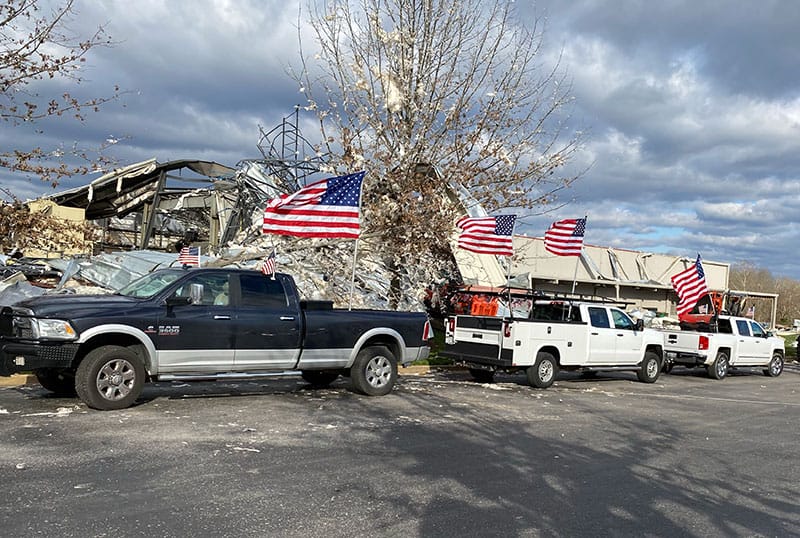
While most businesses believe they are ready for disasters, only a small percentage of them have an actual disaster plan in place. This confidence often translates into significant challenges when the time comes to mitigate weather risks and damage, but there’s no clear path to follow. About a third of small businesses affected by disasters take six months or more to recover, and 40% of them close within a year.
This gap between perceived and actual readiness brings forth compounding risks. Tornadoes can tear off roofs, break down walls, and cause other similar damage across warehouses, factories, and offices. Essential electrical and water systems may fail and introduce safety and compliance issues. Alongside operational downtime, these issues can make employees and customers lose trust in you and take their business elsewhere.
Establishing a tornado preparedness plan means countering this gap. You create a clear chain of command and outline actionable steps your teams can follow to reduce the risk of damage, protect themselves and others, and speed up recovery, which gets you back on track faster.
How Tornado Damage Can Disrupt Business Operations
Response time is critical in any disaster scenario for commercial properties. Delays carry an immediate financial consequence: lost revenue. When a tornado occurs, businesses often face:
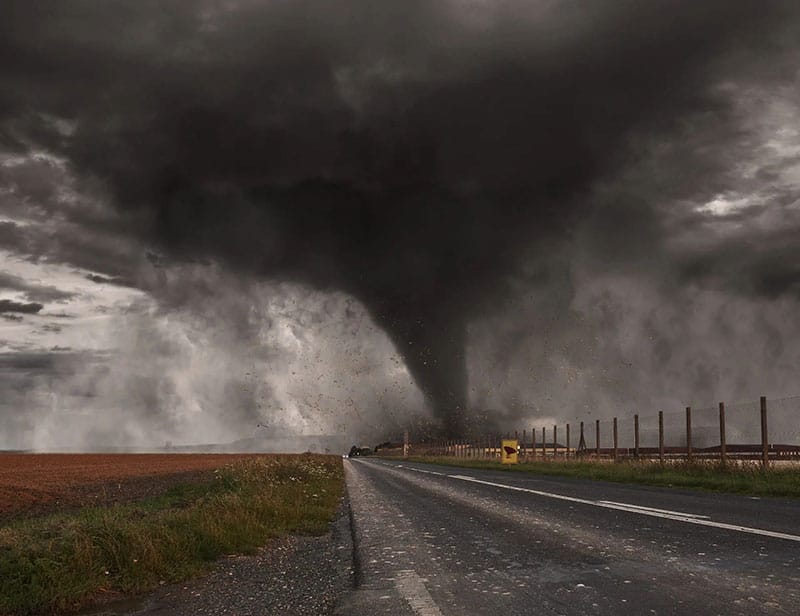
- Physical destruction of buildings, machinery, and inventory
- Operational downtime due to power outages and similar system failures
- Supply chain delays
- Employee displacement
Failure to address these issues early increases business costs and compromises business continuity. Tornado preparedness is about reducing this disruption window, and timing is everything. The first 24 to 48 hours after the tornado are critical to “sealing the envelope” and avoiding secondary damage from rain, looting, or worsening water issues, such as permanent warping or structural swelling.
When a severe weather event strikes, reputable services get stretched thin. Without a pre-established relationship or service agreement, businesses are wait-listed. Depending on the severity of the storm and consumer need, they may wait 72 hours to receive support.
Within a tornado preparedness plan for businesses, you establish an agreement and relationship with a reputable contractor before an emergency. This way, you are at the top of the response and evaluation list when an unexpected event happens, and you receive immediate attention.
What a Tornado Plan for Businesses Should Include
Preparedness is about more than storm cleanup and recovery. It’s a multidimensional approach that includes risk assessment, emergency response, business continuity, and pre-loss planning.
Risk Assessment
Before establishing any tornado procedures in the workplace, business owners and decision-makers should first understand the specific risks their properties face. Depending on the structure type and location, every building has a different weakness, from unreinforced walls to brittle glass. When you account for these vulnerabilities early, you can develop a more personalized, comprehensive protection plan for your facilities.
A restoration professional can help you evaluate your tornado preparedness plan and make necessary adjustments depending on your specific business. From there, you can choose insurance coverage and commercial expert emergency response services tailored to your needs.
Tornado Procedures in the Workplace
Once you have a clear understanding of property risks, develop a tornado preparedness plan that prioritizes the safety of employees, customers, visitors, and anyone on-site. Businesses should establish clear procedures before a tornado occurs so everyone knows where to go, how to communicate, and who is responsible for coordinating the response. This should include designating: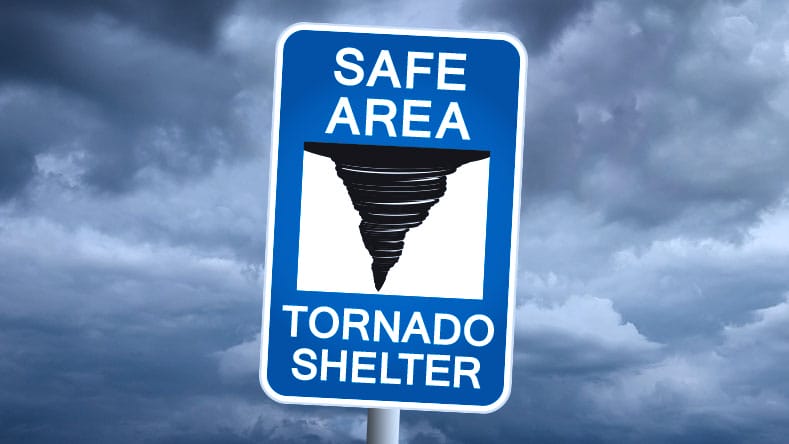
- Clear roles and responsibilities within teams
- Evacuation and shelter routes and procedures
- Communication and notification systems, accounting for potentially disrupted common services
- Emergency kits with water, first aid, and NOAA weather radios
- Tornado drills and employee training
Assign a designated emergency coordinator who owns the plan, trains staff on it annually, and has the authority to make real-time decisions during an event. Depending on the size of the building and the number of employees and regular visitors, consider forming an emergency planning team.
Business Continuity Planning
A business continuity plan is a step-by-step strategy that helps organizations bounce back after a major disruption in operations. It often designates:
- Alternative operational locations if evacuation is necessary
- Backup sites for data, equipment, and supplies
- Property safeguards to protect company assets and people
- Vendor and supplier backups
- Customer communication protocols
- Emergency cash management
Pre-Loss Restoration Planning
Finally, tornado preparedness must involve pre-loss restoration planning. This means:
- Finding and establishing a partnership with a qualified restoration company
- Signing a priority response agreement
- Pre-negotiating labor, equipment, and service rates to avoid pricing stress after a disaster
By establishing this partnership early, a restoration service provider can assess your building and its blueprints and identify utility shut-off locations more efficiently before an emergency. This allows you and your provider to build comprehensive emergency response plans so that when a tornado hits, you’re ready to act.
Benefits of Partnering With a Commercial Restoration Professional
Self-management after a disaster can lead to significant consequences for your business, including extended delays, costs, and service downtime. The longer recovery takes, the greater the risk of secondary damage, higher fees, and prolonged business disruption.
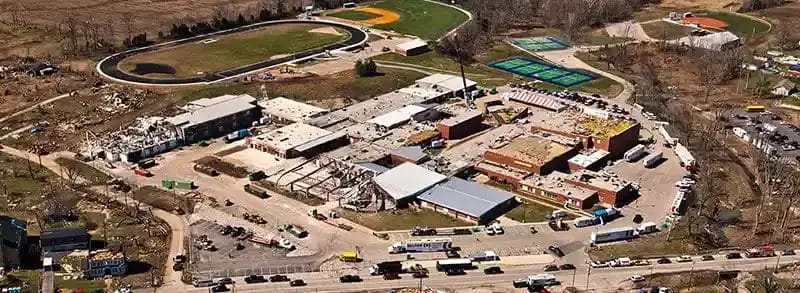
Tornado preparedness, with an established partner and a priority response agreement, eliminates these consequences. This partnership allows for faster mobilization. Restoration teams and equipment arrive on scene within the critical 24- to 48-hour window. A qualified crew, such as those employed by BELFOR, performs mitigation protocols, including:
- Tarping the roof
- Boarding up windows and doors
- Installing security fencing
Ultimately, partnering with a reputable mitigation and restoration company saves you time and money. They focus on the physical recovery, and you can focus on the business.
How BELFOR’s RED ALERT® Program Strengthens Preparedness
BELFOR’s RED ALERT® program takes tornado preparedness and risk mitigation a step further, firmly establishing the partnership agreement, defining roles, and positioning your property for priority response during large-scale disasters. The program offers:
- A dedicated account manager
- Integration with your existing emergency plans
- A precise execution strategy tailored to your property
RED ALERT® clients receive an initial survey of critical systems, facilities, and records. Then, the BELFOR team recommends practical and proven steps to prevent or resolve potential problems before they manifest.
The primary benefit of the RED ALERT® program, however, is access to the 24-hour hotline operated in the US. When a disaster strikes, you call the hotline and your BELFOR account manager gets an alert and responds immediately, sending an experienced team to your building within four hours (in most cases).
Build a Tornado Plan That Protects Your Business Before and After the Storm
Preparedness is ultimately about the protection of people, operations, and business facilities. As an owner or decision-maker, it’s your responsibility to develop a plan that goes beyond simple reactive measures toward comprehensive, proactive preparedness.
A reactive approach introduces unnecessary complexity and expenses. It creates delays through service scarcity and causes further financial strain from compounding damages. Proactive planning eliminates these risks, allowing for greater stability in the face of disasters.
If you’d like to build your emergency plan or learn more about tornado preparedness specifically, contact BELFOR. A representative will be happy to discuss emergency planning and the RED ALERT® program.
Call BELFOR’s 24/7 Emergency Hotline at 800-856-3333 or contact your local team to connect with a trusted recovery partner.


