.jpg)
Commercial Fire Damage: A Guide on Prevention and Recovery for Businesses
Commercial fires can be both dangerous and costly. According to the latest research from the U.S. Fire Administration (USFA), there were over 111,900 non-residential structure fires in 2024 alone. These fires occurred in all types of commercial properties, including office buildings, retail stores, warehouses, manufacturing facilities, and other businesses, and caused billions of dollars in direct property damage.
A commercial fire prevention strategy is essential to safeguard your space and the people who occupy it every day. In this guide, we explain the leading causes of commercial fires and smart strategies that organizations can use to help prevent them.
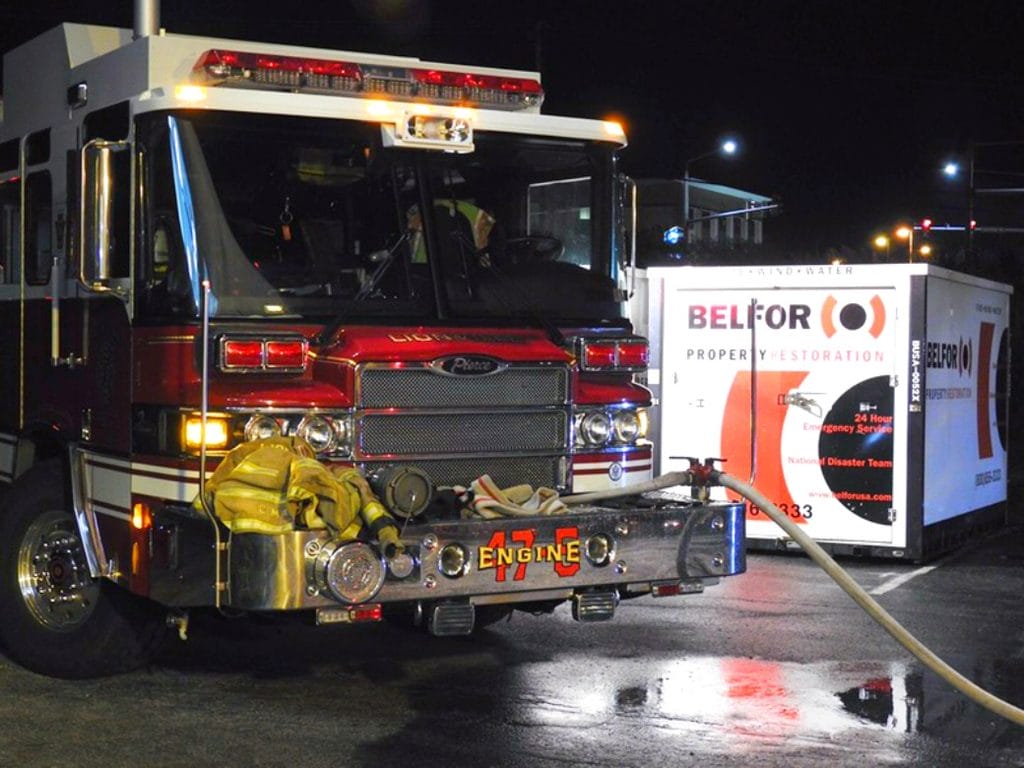
What Are the Common Causes of Commercial Fires?
Findings from the USFA and the National Fire Protection Association (NFPA) consistently show that the top risks and causes of commercial fires include:
- Grease buildup and faulty kitchen equipment: Poorly maintained appliances, greasy cooking surfaces, and open flames in commercial kitchens can cause a fire to break out and spread quickly. This is the number one cause of commercial building fires, with 29.7% of incidents traced to cooking.
- Electrical issues: Damaged wiring, circuits, and electrical outlets may overheat or become overloaded and spark a fire.
- Malfunctioning heating equipment: Boilers, furnaces, and similar equipment can overheat or break down, resulting in a fire.
- Storage near heat: Placing combustible materials too close to heat sources can spark a fast-moving fire.
- Smoking: Improper disposal of cigarettes may ignite surrounding materials such as paper, cloth, trash, and similar items.
- Intentional acts: Vandals may set a fire on purpose. This risk is heightened in unsecured areas, such as storage areas and construction sites.
Fire and Smoke Damage in a Commercial Property
A commercial fire can cause several types of damage. The most obvious is damage caused by actual flames. Items that burn or are in close proximity to flames may be warped, melted, or completely destroyed. Since fires can reach incredibly high temperatures, it’s not unusual for explosions to occur, too. This can lead to additional damage caused by blown-out windows, fallen objects, or airborne projectiles.
Smoke & Soot Damage
Smoke damage may be less visible, but it can still cause significant issues for your property and occupants. As a fire spreads, so does the smoke. Smoke particles and odors can travel throughout a building and infiltrate building materials and HVAC systems, even in areas untouched by the actual fire. Soot is another byproduct of fires that can cause significant damage to surfaces, materials, and electronics due to its corrosive nature. Lingering smoke odors and soot can also pose health hazards and affect indoor air quality. Finding a professional experienced in smoke damage and soot removal for commercial properties is usually required to fully eliminate the smell and safely clean affected materials.
Water Damage
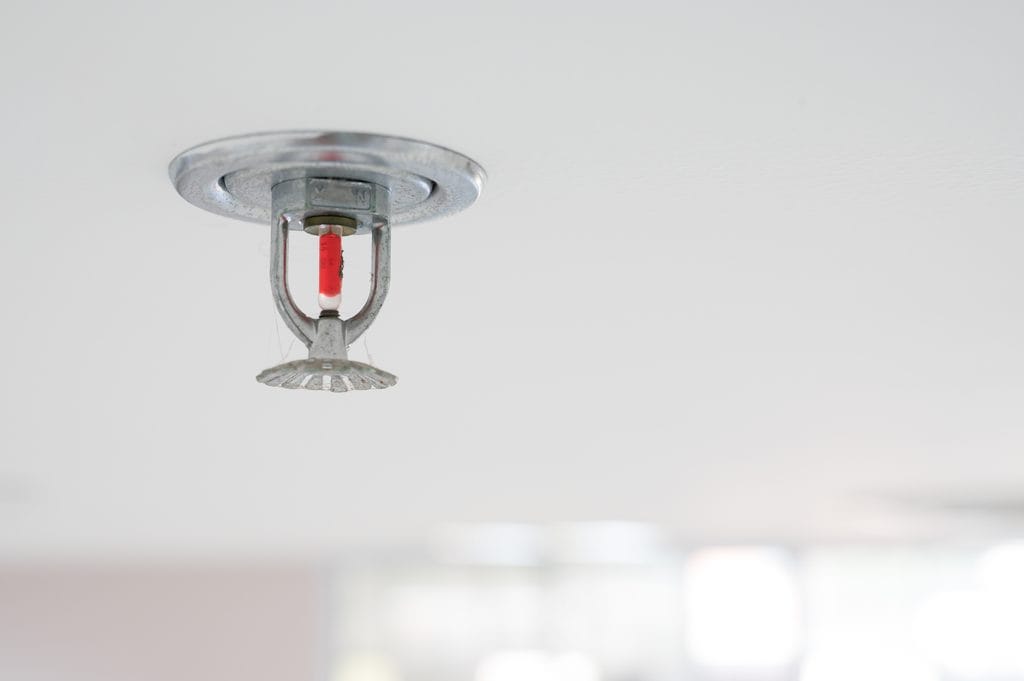
Containing and extinguishing a structure fire often requires a significant amount of water. Beyond firefighting efforts, many commercial buildings have automated fire sprinkler systems that kick in when a fire is detected to help slow the spread. Between fire hoses and sprinkler systems, walls, ceilings, floors, contents, and equipment can end up soaked. Without prompt water extraction and proper drying, this can lead to additional property damage and losses.
Understanding the Cost of Fire Damage to Businesses
The Insurance Information Institute (III) estimates that businesses lost over $3.615 billion from commercial fires in 2024, and NFPA reporting shows that nearly half of large-loss fires in 2024 occurred in commercial properties. Typical financial losses stemming from a commercial fire include:
- Property repair and replacement: Property and business owners often rely on insurance to pay for repairs and replacement, but their policy may not fully cover the losses, leading to additional costs beyond their deductible.
- Lost inventory and equipment: Physical assets such as materials, IT equipment, store inventory, machinery, and more may be damaged or lost in the fire, resulting in financial losses. Costs may be particularly substantial in warehouses and manufacturing centers.
- Downtime: Fires may temporarily delay or completely halt operations, resulting in revenue loss. If no alternative site is available, employees may be unable to work and business activities may need to pause until a temporary solution is found or the damaged workplace is repaired.
- Lost records: Locally stored electronic and paper documents may be unsalvageable. Depending on the type of documents lost, the company may face fines or operational issues. For example, missing payroll documents might result in regulatory penalties or financial audit difficulties.
- Staff and customer impacts: The days following a commercial fire are uncertain. Employees may miss out on earnings, and customer contracts may go unfilled until the business establishes a temporary work area.
Proper planning can mitigate these risks, minimizing organizational losses if a fire ever occurs in a commercial property.
Best Practices to Lower Commercial Property Fire Risks
Commercial fire prevention starts with careful planning and routine monitoring. As a property or business owner, taking the actions below may reduce the risk of fire and help protect personnel:
- Regular electrical inspections: Verify that wiring and electrical systems are in good working order and comply with local safety codes.
- Frequent cleaning of kitchen areas and equipment: Thoroughly scrub grease-prone areas, such as exhaust fans and cooktops, to prevent grease buildup and remove spilled cooking oils. Have commercial kitchen exhaust systems routinely cleaned and serviced by a licensed professional.
- Safe storage practices: Keep combustible materials, such as cartons, paint, and chemicals, away from heat and machinery.
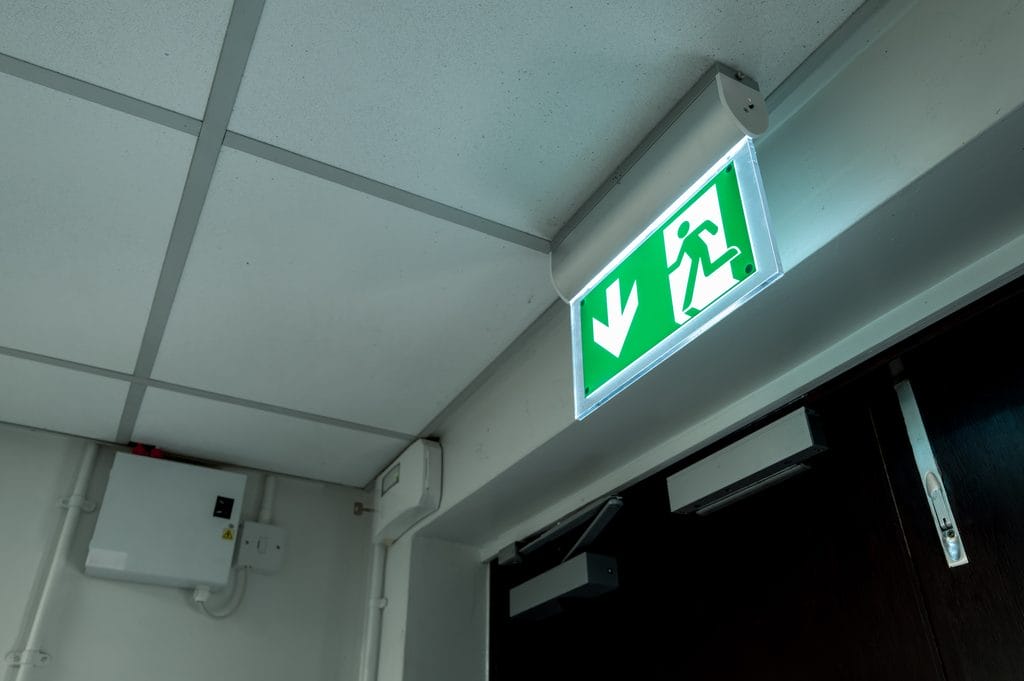
- Proper signage: Highlight emergency exits with designated signs. Post a diagram of emergency exits that’s accessible to teams on every floor of your building.
- Prudent use of heating sources: Instruct employees on how (and when) to use portable heaters or other heating systems safely.
- Avoid electrical hazards: Make sure any extension cords are connected directly to a working outlet rather than using “daisy chain” setups. Regularly check cords for damage and avoid overloading electrical outlets with too many devices.
- Adequate supervision: Have informed managers on hand to oversee any contractor work that involves heat or sparks.
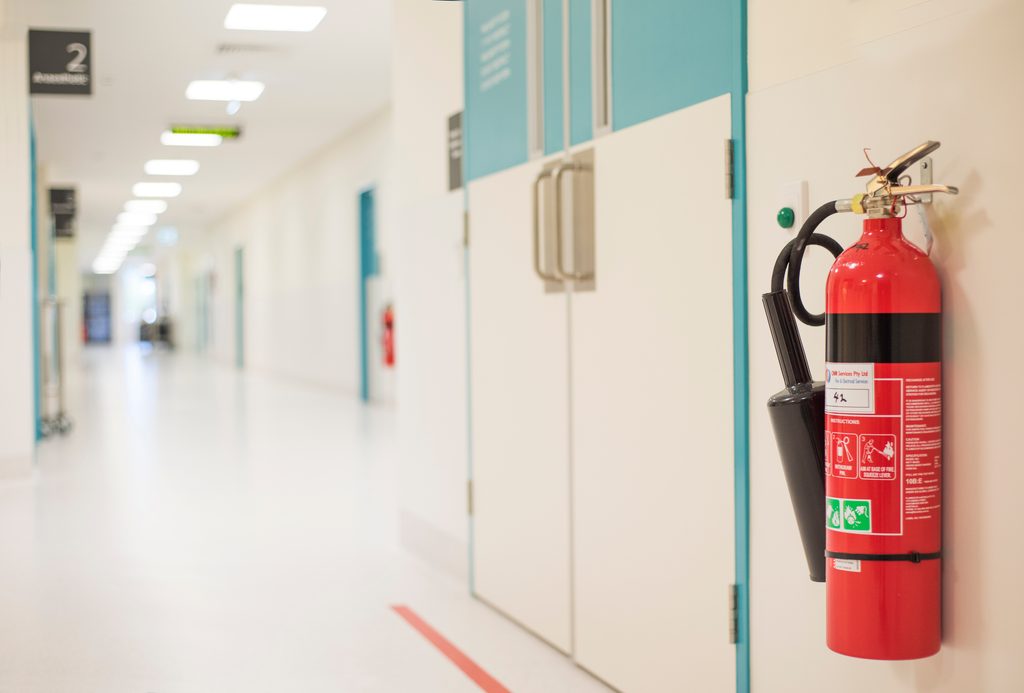
Your facility team should test the property’s fire alarms during their routine inspections. They should also confirm that each space has an appropriate number of fire extinguishers and that emergency exits are accessible. Keep records of each inspection, noting the day, time, and findings.
Fire Protection for Commercial Buildings: Codes and Responsibility
Commercial property fire safety regulations vary by location, occupancy type, and building age, and are determined by the local fire marshal. Most areas require buildings to undergo regular fire risk assessments and routine inspections to verify they’re up to code. These assessments may check for fire hazards, evaluate fire detection equipment, and test or inspect other fire protection and prevention controls.
Failing a risk assessment can result in fines, penalties, and a mandated response. Common commercial fire safety violations include:
- Expired or malfunctioning fire extinguishers
- Blocked emergency exits
- Untested fire alarms
- Storing flammable materials near heavy machinery or heat sources
- Missing inspection records
Tenants often share the responsibility for fire safety in commercial buildings with their landlord. If you’re renting a commercial space, review your lease agreement and speak with the property manager to understand your responsibilities.
How to Build Fire Readiness into Your Emergency Preparedness Plan
Fires can spread rapidly in commercial buildings, but proper preparation can keep your occupants, property, and equipment safer if an incident occurs. Provide facility managers, security teams, and employees with guidelines to follow in the first 24 hours after a fire starts, and make them easily accessible. Include a list of contacts so they know who to reach out to for help.
As part of your broader emergency preparedness plan, set up evacuation routes and engage in regular drills so people know how to get out during a fire. Keep copies of critical documents off-site, so you have extras available if they’re ever needed.
Steps to Take After A Commercial Fire
If a fire occurs in your commercial property, exit the building immediately and call 911. After exiting, take these steps:
- Once outside, have managers account for their team to ensure everyone evacuated safely.
- Remain outside the building until the fire department gives the all-clear.
- Contact your insurance company and explain what happened.
- Wait to document damage until it’s safe to re-enter. Don’t try to take pictures or record video while in an unsafe building environment.
- Call a professional restoration provider for emergency cleanup as soon as possible.
What Does Commercial Fire Damage Recovery Involve?
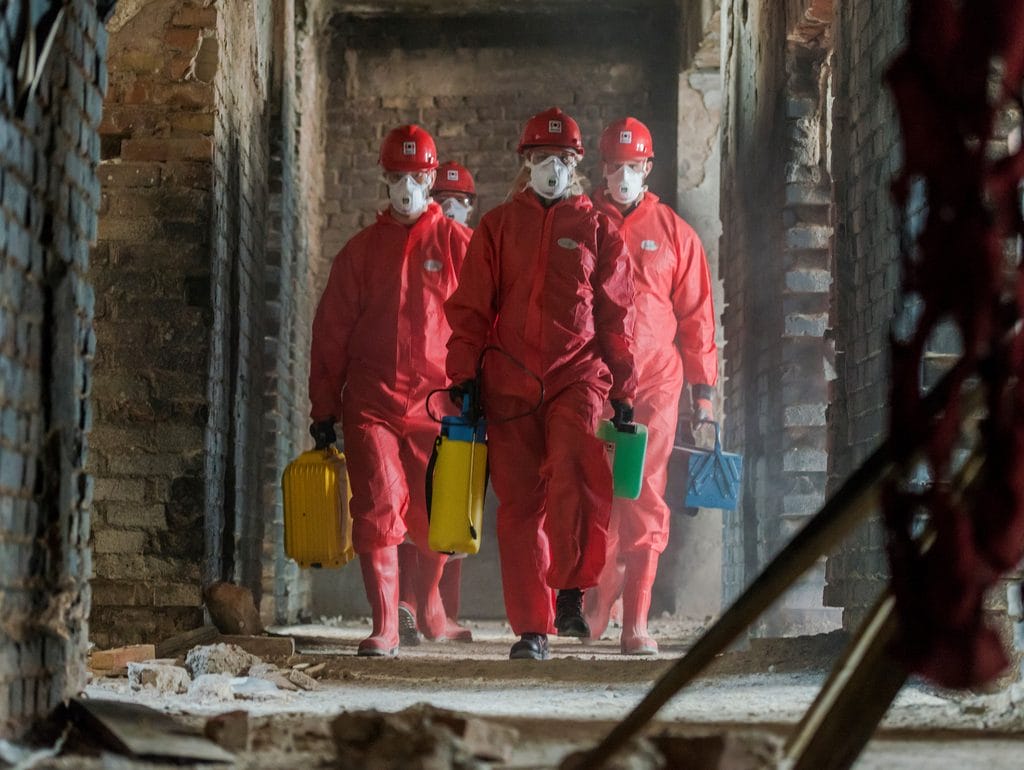
Professional commercial fire damage restoration involves several phases. The process starts with an initial safety assessment. An emergency services provider, such as BELFOR or 1-800-BOARDUP, will secure the property, stabilize the structure, and perform emergency mitigation as needed. After a full damage assessment, next steps can include water removal and drying, smoke and soot cleaning, odor treatment, and contents restoration. Repairs and reconstruction are typically completed last.
The timeline for fire damage recovery for business owners depends on the size of the loss, building systems, permits, insurance, and the availability of repair materials. During this period, many businesses relocate to a temporary space or take advantage of remote work to keep operations running.
BELFOR Case Study: Watch how one manufacturing business got back to work after a fire.
Line Up Your Fire Restoration Partner Before You Need One
The key to safeguarding a property after a fire lies in early preparation. As a first step, designate who you’ll call if you need fire damage restoration assistance. Your restoration company provider can help you set up an effective response plan and establish a point of contact to reach out to in the immediate aftermath.
For over 80 years, BELFOR’s commercial fire restoration services have helped property owners reopen their doors after a fire. Our RED ALERT priority response and emergency planning service package helps businesses minimize interruptions in the event of a fire. Get in touch today to schedule a consultation.
Call BELFOR’s 24/7 Emergency Hotline at 800-856-3333 or contact your local team to connect with a trusted recovery partner.


