.jpg)
Preparing Your Property for the 2026 Atlantic Hurricane Season
2026 Atlantic Hurricane Season Preparedness: The Ultimate Guide for Homes & Businesses
The Atlantic Hurricane Season runs annually from June 1 through November 30. For property owners along the Gulf Coast and the Eastern Seaboard, these months carry a persistent risk of high-velocity winds, torrential downpours, and devastating storm surges that can accompany powerful tropical cyclones.
According to the National Oceanic and Atmospheric Administration (NOAA), the outlook for the 2026 Atlantic hurricane season predicts a below-normal to near-normal season—forecasting 8 to 14 named storms, 3 to 6 hurricanes, and 1 to 3 major hurricanes. A developing El Niño pattern is expected to drive increased wind shear across the Atlantic, which typically suppresses storm organization.
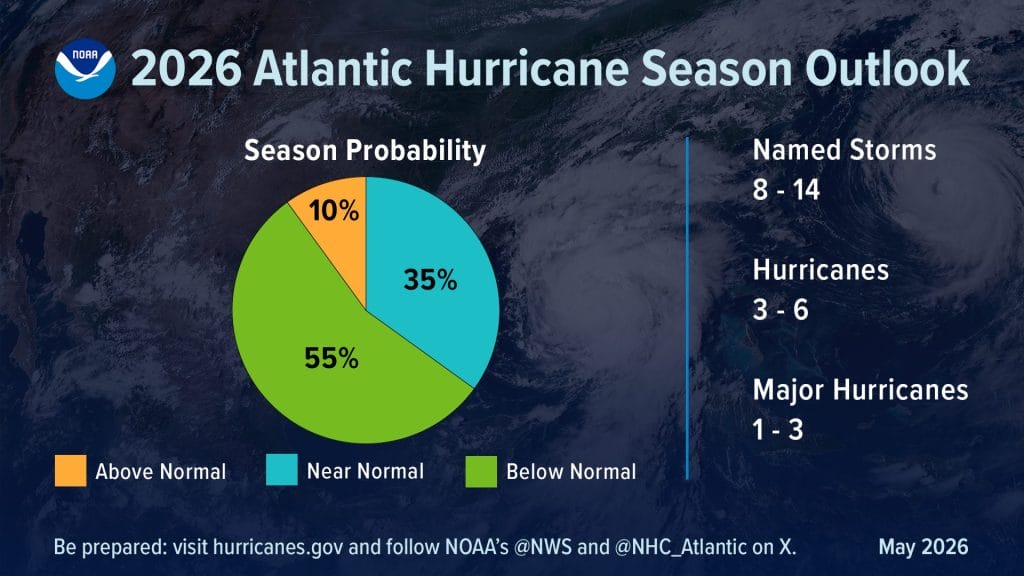
However, despite this prediction, emergency management professionals offer a clear warning: lower storm frequency does not mean lower severity. It only takes one. Even during below-average hurricane seasons, a single landfall can cause catastrophic destruction, which is why it’s important to prepare yourself and your property every year.
Whether you manage a multi-family commercial facility or care for a residential household, this 2026 Atlantic Hurricane Season readiness guide breaks down essential hurricane preparedness into clear steps and strategies for both homeowners and businesses.
Part 1: Residential Preparedness – Protecting Your Family and Home
For a homeowner, hurricane preparation is about personal safety, securing your home’s structure, and safeguarding the financial equity tied up in your property. Taking a weekend to handle targeted upkeep before a tropical system forms can reduce potential storm damage restoration needs in the future.
1. Reinforcing Your Home’s Structural Envelope
High winds target vulnerable entry points. A damaged or exposed window, door, or roof opening can allow wind to enter your home, creating pressure that may lead to more severe roof and structural damage.
- Inspect Roof Infrastructure: Examine your roof for missing, curling, or loose shingles. Seal your roof deck by applying waterproof tape over seams to help prevent water intrusion if shingles blow off. If you can’t do this safely, or you notice areas of concern, contact a qualified roofing professional to perform an inspection.
- Prepare Protective Window Coverings: If you live in a coastal area that’s in the potential path of hurricanes, install impact-rated storm shutters. If your home lacks permanent shutters, pre-cut ⅝ inch exterior-grade plywood boards to fit your window frames and pre-install the hanging hardware.
- Clear the Exterior Perimeter: Trim dead tree branches and other limbs that overhang your roof. Secure or store loose items like patio furniture, landscaping rocks, trash cans, and potted plants that could become dangerous airborne projectiles.
2. Assembling a Household Disaster Supply Kit
Stock your home with an emergency kit designed to sustain your household for several days if utilities fail or emergency services are cut off.
- Potable and Non-Potable Water: Store at least one gallon of water per person per day for a minimum of three days. Additionally, fill clean containers, sinks, and bathtubs with water before landfall to use for flushing toilets and washing dishes.
- Emergency Power and Communications: Keep flashlights, extra batteries, a portable weather radio, and external mobile device power banks fully charged.
- Critical Asset Protection: Make physical copies of important documents such as insurance policies, financial property records, and birth certificates, and store them inside a waterproof, portable safe container.
Part 2: Commercial Preparedness – Ensuring Business Continuity
For commercial property owners, facility managers, and corporate executives, a hurricane threatens more than buildings—it threatens supply chains, technical assets, and ongoing business operations. Risk management data indicates that nearly 40% of businesses that face a prolonged shutdown due to severe storm damage never reopen.
1. Fortifying Commercial Systems and Site Infrastructure
Large commercial buildings have many structural features that can be subjected to significant stress during a major hurricane, creating additional points of exposure and potential for damage.
- Secure Roof-Mounted Equipment: High winds can easily rip industrial HVAC units and commercial exhaust fans from their mounts. Ensure all equipment anchors, guy wires, and structural supports are structurally sound.
- Clear Primary Drainage and Roof Scuppers: Blocked roof drains and overflow scuppers are the leading cause of flat-roof collapses during heavy rainfall. Clear all catch basins, loading dock drains, and drainage pumps.
- Protect Low-Lying Vulnerabilities: If your facility is located in a low-lying area, deploy floodgates or map out sandbag placement to protect subgrade entry points, mechanical rooms, and subterranean electrical vaults.
2. Safeguarding Specialized Corporate Assets
Physical cleanup is only half the battle; protecting your technical, industrial, and digital infrastructure helps you reduce downtime and resume operations more quickly.
- Industrial Machinery and Corrosion Control: Exposure to moisture and salt air can ruin multi-million dollar manufacturing equipment in hours. Ensure specialized machinery is anchored, covered, and treated with temporary corrosion-inhibiting coatings if water exposure is a risk.
- Documents, Data, and Media: Ensure all servers and digital assets are backed up to multi-regional cloud networks. Move physical blueprints, legal contracts, and historical records to upper floors, out of potential flood zones.
- Backup Power and Fuel Management: Perform full-load testing on emergency industrial generators. Secure priority fueling contracts ahead of time, since fuel shortages often occur within 72 hours after a storm impacts a region.
Part 3: The Universal Preparedness Timeline
Whether you are managing a household or a commercial warehouse, there are some universal preparations that follow the same general timeline.
Pre-Hurricane Season, Before Storm Formation
- Establish Recovery Partners
For Businesses: Set up a commercial Priority Response Program (PRP) or similar agreement with a nationwide disaster recovery partner to establish response protocols in advance and help ensure faster response times and access to equipment and personnel. Update your facility’s Emergency Response Plan (ERP) with your recovery partner’s contact information.
For Homeowners: Review your homeowner’s insurance policy to understand your coverage in the event of a hurricane and the process for filing a claim. Research licensed emergency restoration services in your area and store their contact details in your disaster kit.
Note: Many insurance providers already have a list of preferred or recommended restoration contractors that they work with.
- Document Pre-Storm Condition
Walk through your property and take high-resolution photos and videos of the interior, exterior, and high-value assets. This detailed photo inventory serves as crucial baseline evidence for insurance claims if your property is damaged in a storm.
After Hurricane Forms, Before Landfall
- 24-48 Hours to Landfall: Infrastructure Lockdown & Utility Management
Deploy storm shutters or plywood boards. Secure yard storage, pallets, and furniture–bring as much inside as possible. Clear out localized drainage paths and storm grates. If evacuating, shut off main supply lines for gas and water, and turn off and disconnect non-essential electrical appliances and systems.
- Landfall Imminent: Evacuate or Shelter in Safe Rooms:
If local authorities issue an evacuation order, leave immediately, bring your disaster kit(s), and follow the designated evacuation routes. If sheltering in place, go to a designated interior safe room on a lower floor with no windows or external doors. Avoid sheltering in basements during hurricanes due to the risk of flash flooding.
Turnkey Property Recovery with BELFOR
The hours immediately following a hurricane landfall are critical. After the storm leaves your area or dissipates, standing water, structural instability, and high humidity levels can quickly escalate into compounding problems and secondary damage, such as deteriorating building materials and widespread mold growth. The sooner restoration begins, the better.
When a natural disaster strikes, successful recovery requires a restoration partner with extensive resources and comprehensive capabilities. As the global leader in disaster recovery and property restoration, BELFOR Property Restoration maintains an unmatched network of equipment, vehicles, and personnel that can be mobilized in the aftermath of hurricanes and other area-wide disasters.
BELFOR’s experienced teams of disaster recovery professionals are prepared to respond quickly and provide full-service restoration solutions to help homes, businesses, and communities recover faster from hurricane damage. Key services include:
- Emergency Response: Emergency board-up, high-volume water extraction, structural shrink-wrapping, and other rapid-response damage mitigation services.
- Water Damage Restoration: Water removal, decontamination, dehumidification, structural drying, cleaning, and repairs for storm-related water damage.
- Mold Remediation: Professional assessment, complete containment, mold damage removal, and structural cleaning to remediate mold growth following flooding and water intrusion.
- Full-Scale Reconstruction: As a licensed general contractor, BELFOR can provide complete commercial rebuilds in accordance with all federal, local, and industry-specific codes, standards, and regulations.