The Hidden Dangers Inside a Fire-Damaged Building
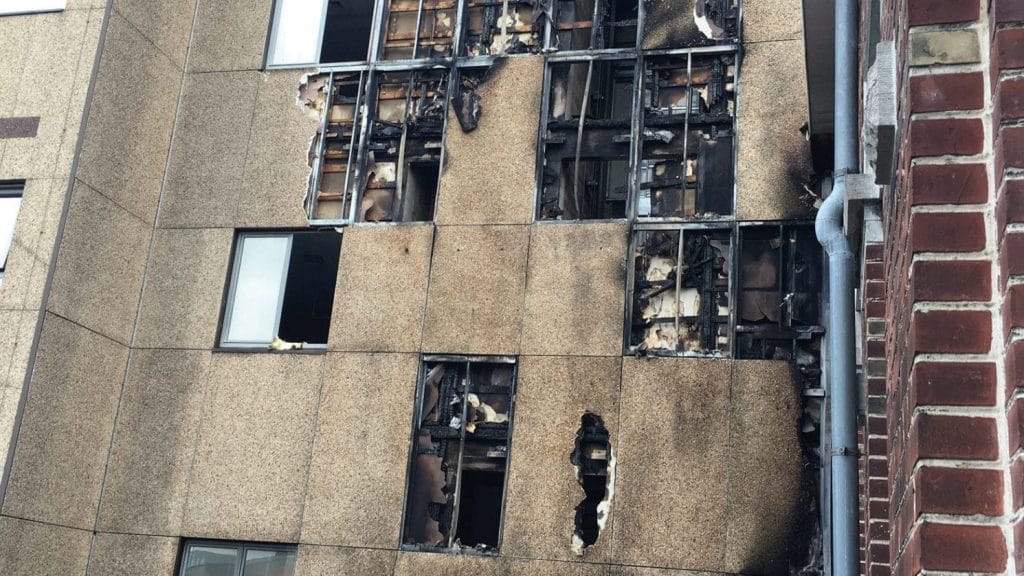
Once the flames have been extinguished, many people assume the danger has passed. In reality, however, the risks do not disappear when the fire is out. In buildings that have recently experienced a fire, many property owners and business operators rush back inside to inspect the premises or recover belongings, unaware that hidden hazards may still exist throughout the structure.
Understanding these risks is essential before re-entering a fire-damaged property. Below are four major hidden dangers to be aware of, along with guidance on safe post-fire cleaning and recovery.
Structural Hazards
The intense heat generated during a fire can damage a building’s structure without leaving obvious visible signs. Examples include:
- Deterioration of concrete and steel
Extreme heat can cause concrete to crack and reinforcing steel to lose its strength. - Damage caused by firefighting water
Water used to extinguish the fire may penetrate structural components, leading to moisture accumulation and corrosion. - Critical areas requiring attention
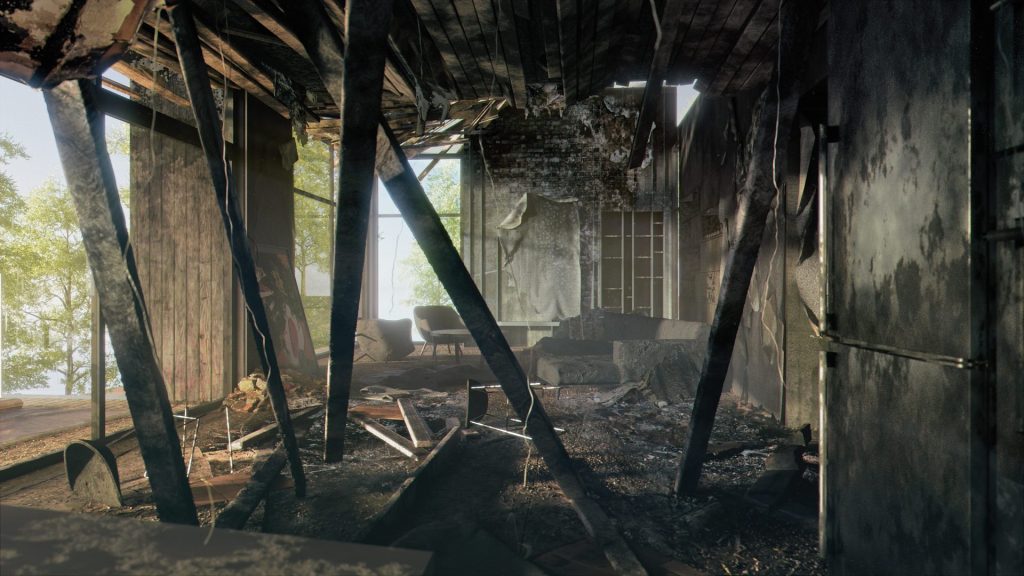
Ceilings, beams, and columns are particularly vulnerable and may be at risk of collapse if not thoroughly inspected.
Hidden Risks from Chemicals and Contaminants
After a fire, the dangers extend beyond the flames themselves. Toxic substances may remain inside the building, including:
- Fine dust and soot residue
Soot and fine particulate matter may contain toxic substances that can be harmful to the respiratory system. - Residual toxic gases
Hazardous gases may remain trapped within the building, particularly in enclosed areas with poor ventilation. - Asbestos
In older buildings, certain materials may release asbestos fibers when exposed to high temperatures, creating a serious health hazard.
Damaged Utility Systems
Even after the fire has been extinguished, building systems may still be unsafe. Reoccupying the property without proper inspection can lead to additional incidents.
- Electrical short circuits caused by wiring damaged by heat
- Gas leaks resulting from damaged piping
- Contaminated water supplies caused by debris or chemical contamination
Mold Growth and Long-Term Impacts
Following a fire, moisture from firefighting efforts often becomes an overlooked issue. However, it is a major contributor to residual moisture accumulation, which can promote mold growth within walls and flooring.
Over time, mold can affect indoor air quality and negatively impact the respiratory health of building occupants.
Post-Fire Checklist: What to Do and What Not to Do
What You Should Do
- Wait for specialists to assess the building’s safety before entering the property.
- Document the damage with photographs for future reference and evidence.
- Contact a professional fire damage cleaning service to conduct a site assessment.
What You Should Not Do
- Do not immediately reactivate electrical systems or machinery.
- Do not attempt to clean the property yourself without appropriate protective equipment.
- Do not directly inhale or come into contact with soot residue.
A Professional Approach to Building Recovery
Proper fire damage cleaning requires specialized knowledge and technology. This includes soot removal, moisture control, and structural restoration to ensure that the property is recovered safely and effectively.
Choosing an experienced fire damage restoration company can help ensure that the recovery process is comprehensive, safe, and effective in minimizing long-term damage.
Conclusion
While property and assets may be valuable, personal safety must always come first. Entering a fire-damaged building without a proper assessment can expose occupants to unexpected risks and hazards.
If you are looking to restore a fire-damaged property safely, contact BELFOR Thailand. Our specialists provide professional fire damage cleaning and comprehensive property restoration services, supporting every stage of the recovery process with internationally recognized standards.


