Fire Damage Restoration Cost and Timeline FAQ
A. The cost depends on the extent of the damage and the condition of the affected assets. In many cases, however,restoring damaged equipment can be significantly more cost-effective than replacing it.
This is especially true for precision equipment and high-value industrial machinery, which may be restorable for a fraction of the cost of purchasing new equipment.
BELFOR Korea assesses the extent of damage quantitatively, distinguishes between assets that can be restored and those that need to be replaced, and develops an appropriate restoration scope and cost estimate. The final cost is determined after an on-site damage assessment.
A. Fire restoration costs are calculated based on the extent of damage, the required restoration methods, and the expected restoration period.
BELFOR Korea uses detailed assessments and measurements to determine which assets are suitable for restoration. Contamination levels and damage conditions are evaluated so that restorable assets can be separated from those requiring repair or replacement.
This allows the restoration estimate to be based on measurable conditions and the actual scope of work rather than visual assessment alone.
A. The restoration timeline depends on the size of the loss and the extent of the damage. For industrial facilities, one of the most important considerations is minimizing business interruption. When equipment restoration and building restoration are handled by separate contractors, scheduling conflicts and coordination can extend the overall recovery period.
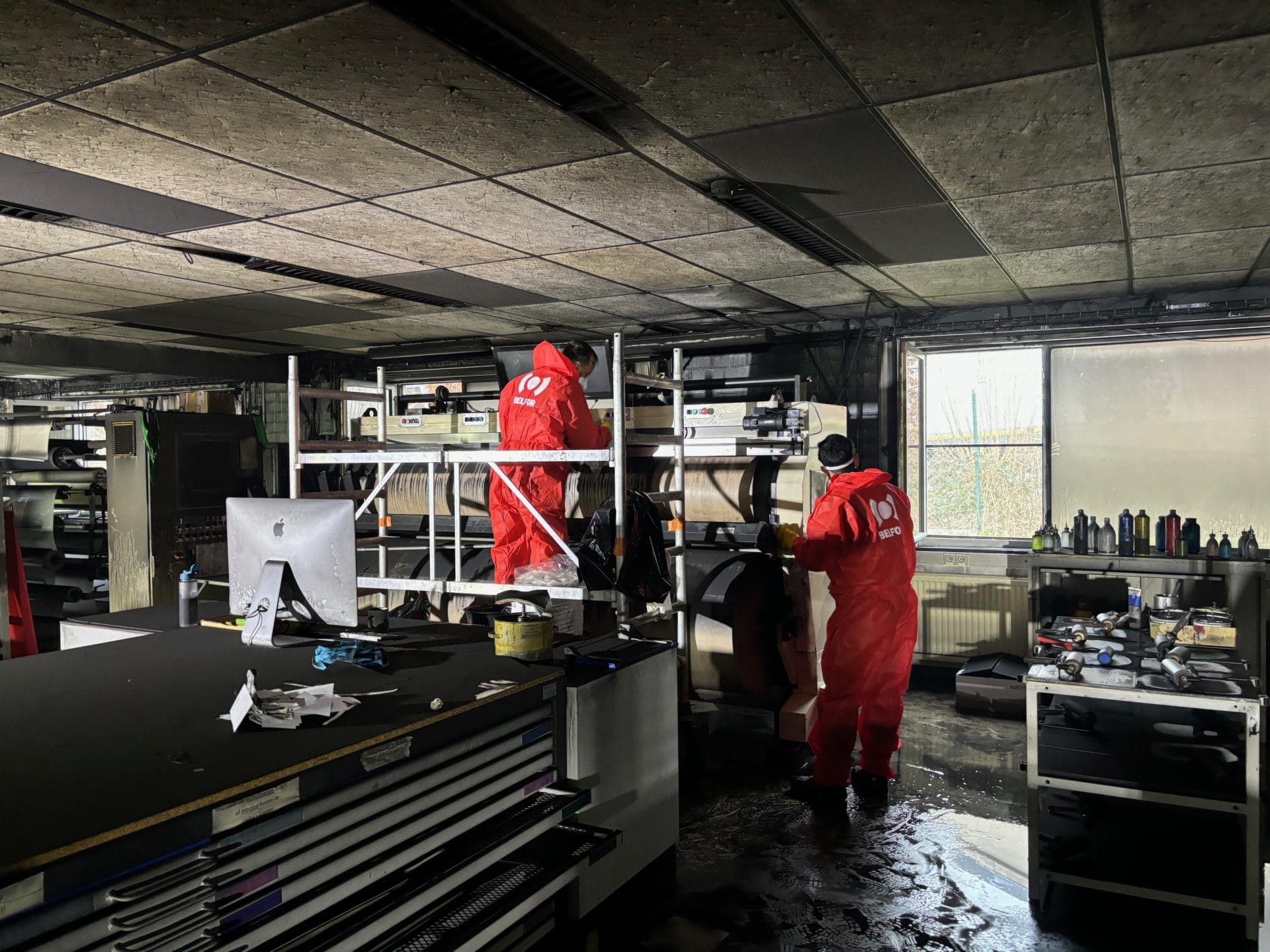
BELFOR Korea manages equipment restoration and building restoration as one integrated project, allowing multiple workstreams to proceed in parallel and helping shorten the overall restoration timeline.
Rapid emergency response immediately after the incident can also play an important role in reducing the total recovery time.
A. One of the most effective ways to reduce restoration costs is to act quickly. Corrosive residues from fire and soot can continue to damage metals, electrical systems, and equipment over time. Equipment that could initially have been restored may eventually require replacement if treatment is delayed, increasing both restoration costs and downtime. Early professional assessment helps identify and preserve as many restorable assets as possible. BELFOR Korea provides emergency response within 48 hours to begin loss mitigation as early as possible and help maximize the scope of assets that can be restored.
A. Fire restoration costs may be covered by insurance, depending on the terms and coverage of the policy. If the affected property is covered by fire insurance or another applicable policy, eligible restoration costs may be included in the claim. Accurate documentation and damage assessment are therefore important. BELFOR Korea can prepare restoration and damage documentation for insurers and loss adjusters, helping customers manage the insurance claims process more efficiently.
A. Yes. Industrial fire restoration is generally more complex because the damage may involve precision equipment, electrical systems, production machinery, and buildings at the same time. Residential fire restoration often focuses on soot removal, odor treatment, and restoration of interior finishes. Industrial facilities may require additional services such as equipment decontamination, electrical equipment restoration, precision cleaning, building restoration, and return-to-operation support. When equipment and building restoration are managed separately, both costs and recovery time can increase. BELFOR Korea integrates these activities into a single restoration project to help optimize overall restoration costs and minimize business interruption.