7 Things to Check When Choosing a Factory Fire Equipment Restoration Company
After a factory fire, removing soot and smoke odor from the building is only part of the challenge. Critical assets—including production lines, presses, power distribution panels, control panels, motors, and electrical and electronic equipment—may also be exposed to fire contaminants, firefighting water, heat, and corrosion risks.
When choosing a factory fire equipment restoration company, it is important to confirm that the company has the expertise to assess contamination on industrial equipment, determine which assets can be restored and which need to be replaced, and support the return to production.
In manufacturing facilities with extensive production machinery and electrical and electronic equipment, delayed response can allow contamination and corrosion to progress. For this reason, the restoration company’s industrial equipment expertise should be carefully evaluated from the outset.
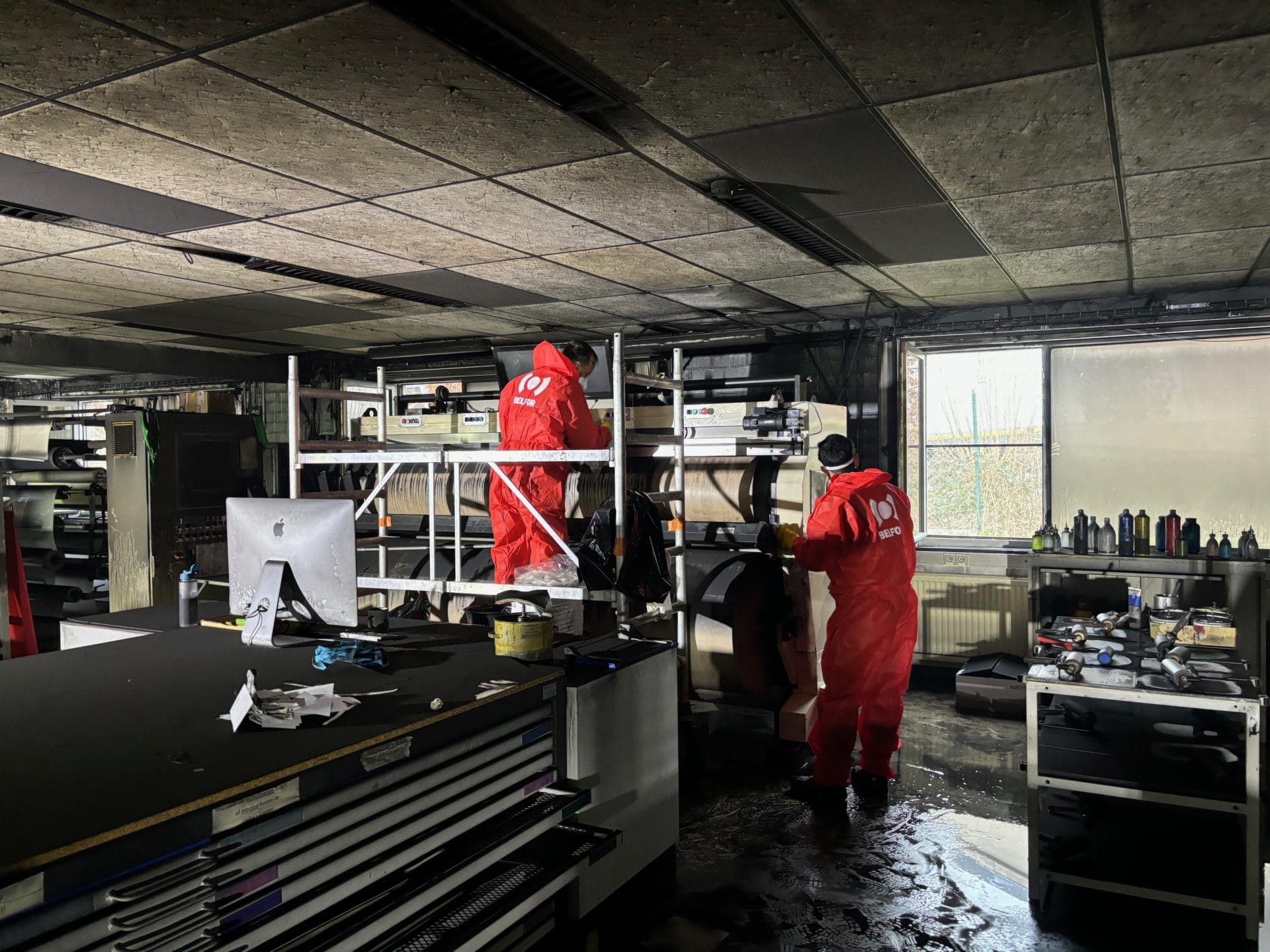
1. Does the Company Have Experience Restoring Fire-Damaged Factory and Industrial Equipment?
Factory fire restoration is different from general building fire cleaning. Manufacturing plants contain a combination of machinery, electrical and electronic equipment, and control systems. It is therefore important to confirm whether the restoration company has actual experience assessing and restoring fire-damaged equipment in industrial environments.
Relevant experience may include:
- Presses and production machinery
- CNC machines and machining equipment
- Power distribution panels
- Electrical control panels
- Motors and drives
- Servers and IT equipment
- Production line automation equipment
- Precision electrical and electronic equipment
Rather than simply asking whether a company has “fire restoration experience,” find out which industries and types of equipment it has actually restored.
2. Can the Company Assess Equipment Contamination and Corrosion Risk?
Even when equipment appears undamaged after a factory fire, soot, fine particles, chlorides, moisture, and other contaminants may remain on surfaces or inside components. Over time, these contaminants can contribute to metal corrosion and electrical problems.
A professional restoration company should therefore assess equipment condition before restoration begins and evaluate both the extent of contamination and the risk of corrosion.
Depending on the equipment and site conditions, the assessment may include:
- Surface contamination
- Soot and fine-particle deposits
- Chlorides and other corrosive contaminants
- Moisture from firefighting water or flooding
- Corrosion risk on metal surfaces
- Contamination of electrical and electronic components
Restoration begins with assessment, not cleaning.
3. Can the Company Apply Different Restoration Methods to Machinery and Electrical & Electronic Equipment?
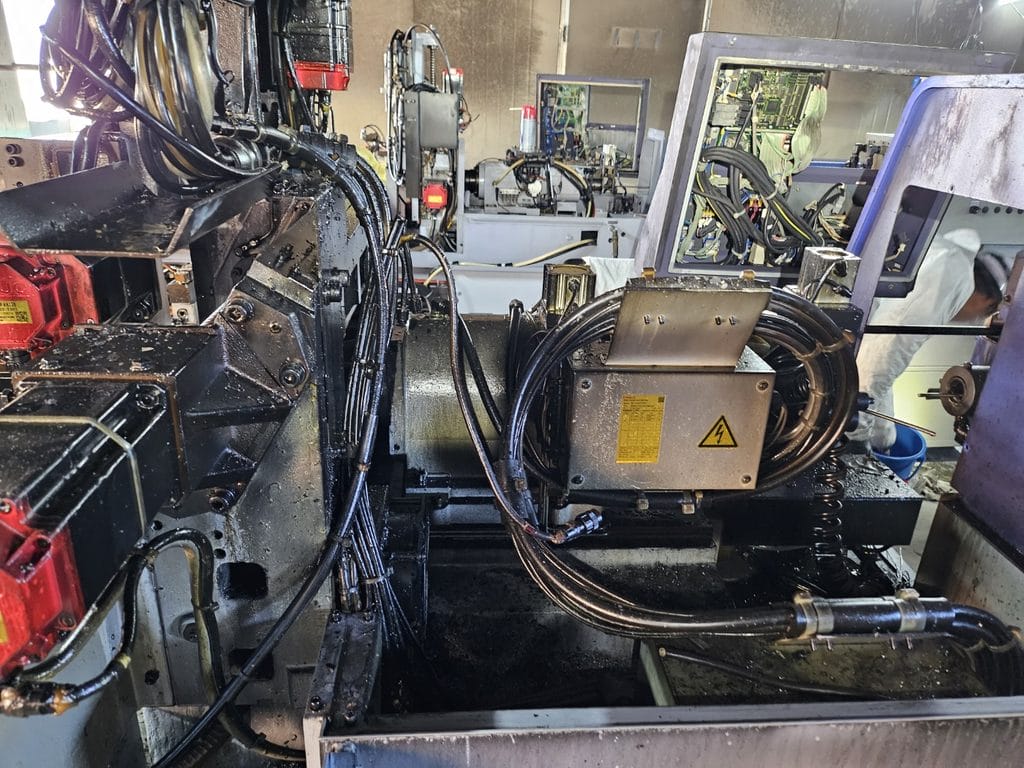
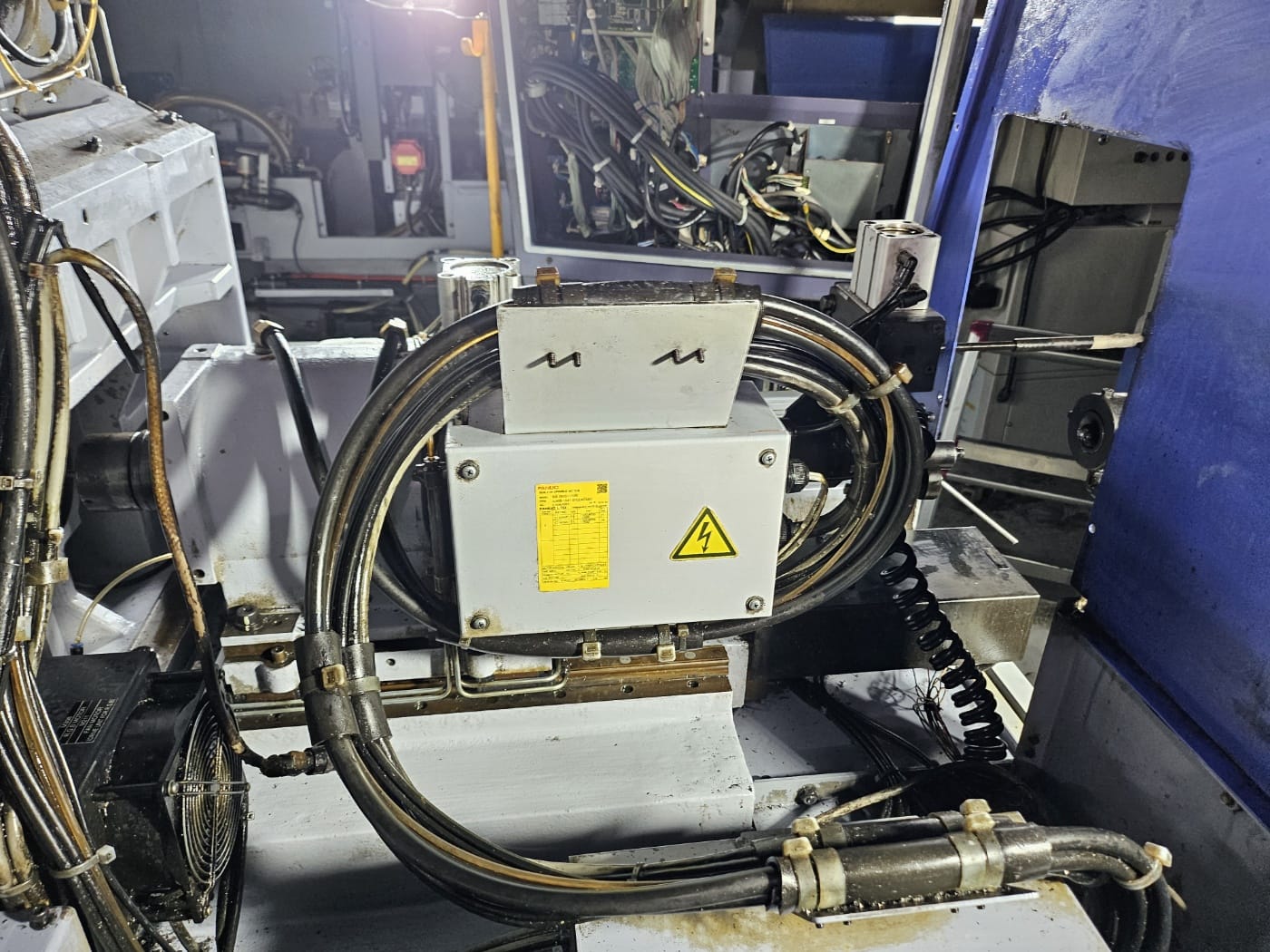
Equipment in a factory varies widely in design, materials, and sensitivity. Mechanical equipment and electrical and electronic equipment cannot always be cleaned or restored using the same methods. A factory fire equipment restoration company should understand the different characteristics of mechanical and electrical/electronic systems and be able to apply the appropriate restoration process to each type of equipment.
4. Can the Company Perform Precision Cleaning?
Restoring industrial equipment requires more than wiping down visible surfaces. Precision cleaning tailored to the equipment is often required to remove soot, fine particles, oils, and corrosive contaminants that have penetrated into or accumulated inside equipment. Depending on the affected equipment, restoration work may include:
- External and internal contamination removal
- Equipment disassembly and precision cleaning
- Cleaning of electrical and electronic components
- Corrosion removal
- Surface stabilization
- Drying and reassembly
- Support for functional verification
The key is to select the appropriate restoration method based on the equipment materials, sensitivity, and level of contamination.
5. Can the Company Determine Whether Equipment Should Be Restored, Partially Repaired, or Replaced?
Not all fire-damaged equipment needs to be replaced. At the same time, not every affected asset will be suitable for restoration.
A professional restoration company should assess the condition of each asset and distinguish between:
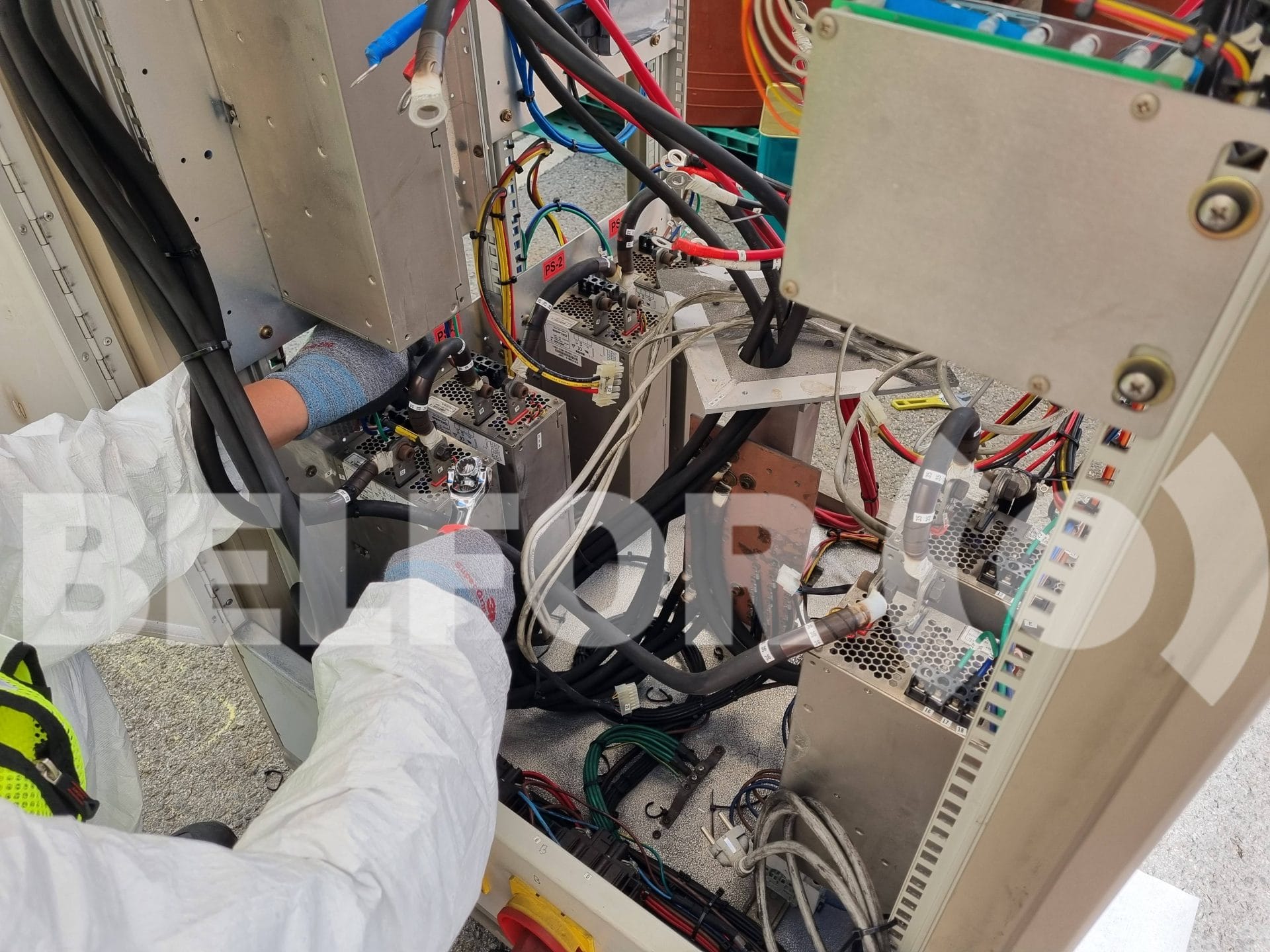
- Equipment that can be restored
- Equipment requiring partial repair
- Equipment requiring further inspection
- Equipment requiring replacement
This assessment can help reduce unnecessary equipment replacement costs and potentially shorten the time required to resume production. The goal of factory fire equipment restoration is not simply to make equipment look clean, but to identify which affected assets can be safely and effectively restored.
6. Can the Company Develop a Restoration Plan That Helps Reduce Production Downtime?
One of the most significant consequences of a factory fire is production downtime. In addition to equipment damage, business interruption and delayed deliveries can create substantial operational losses.
A restoration company should therefore be able to prioritize critical assets and restore the facility in stages rather than treating the entire site as a single work area.
BELFOR Korea typically follows a process such as:
- Assess the extent of damage
- Implement initial measures to mitigate secondary damage
- Prioritize critical production equipment for restoration
- Perform precision cleaning of electrical and electronic equipment
- Determine whether individual assets should be restored or replaced
- Support the phased restart of production lines
A prioritized, phased restoration plan can help reduce production downtime and support a faster return to operations.
7. Can the Company Document the Restoration Work and Provide Supporting Evidence?
Documentation is an important part of factory fire restoration. Insurers, loss adjusters, and clients may need to understand the condition of individual assets before restoration and what work was subsequently performed. Clear documentation can improve transparency throughout the restoration process and support communication among the client, insurer, loss adjuster, and restoration company.
Factory Fire Equipment Restoration FAQ
No. Restoration potential should first be assessed based on factors such as heat damage, contamination, exposure to firefighting water, and corrosion risk.
Some equipment that appears severely contaminated may still be restorable through precision cleaning and corrosion removal. Conversely, equipment that appears undamaged externally may have significant contamination inside electrical and electronic components. An equipment-specific condition assessment should therefore be performed before deciding whether to restore or replace an asset.
The condition of affected equipment should be assessed as soon as it is safe and practical to do so. Soot, chlorides, moisture, and other fire residues can contribute to corrosion and electrical problems over time.
Early response should therefore focus on mitigating further damage, assessing equipment contamination, and establishing restoration priorities.
The condition of each asset should be assessed to determine whether precision cleaning, corrosion removal, partial repair, or replacement is appropriate.
Relevant industrial equipment restoration experience is one of the most important factors. Look for a company that can assess machinery and electrical/electronic equipment, perform precision cleaning, determine restoration potential, and support the return to production.
Factory Fire Equipment Restoration by BELFOR Korea
BELFOR Korea provides restoration services for machinery, production equipment, and electrical and electronic equipment affected by fire, water damage, and other industrial incidents. Depending on site conditions, BELFOR Korea assesses the extent of damage and equipment condition and provides services including initial damage mitigation, contamination removal, precision cleaning, and restoration potential assessment.
Following a factory fire, particular attention is given to determining the restoration potential of production machinery and electrical/electronic equipment, helping clients return affected operations to normal as quickly as possible.