5 Key Steps in Comprehensive Damage Restoration by Professionals
When disasters such as fires, floods, or storms occur, the damage inflicted on buildings, factories, and business assets is often far more complex than what is visible on the surface. Responding quickly and systematically is therefore essential to minimizing losses and enabling businesses to resume operations as soon as possible.
The following 5 steps represent the core process used by professional property restoration companies to deliver comprehensive damage restoration in a way that is safe, efficient, and cost-effective.
1. Immediate Damage Assessment (Damage Assessment)
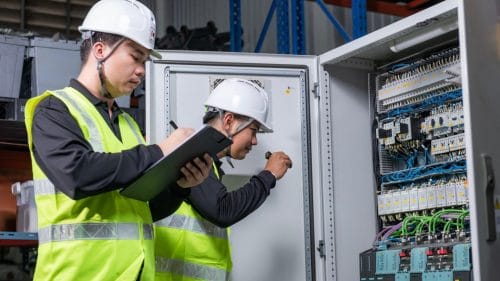
The first step involves a thorough on-site inspection conducted by specialists to evaluate the extent of damage to buildings, structures, and internal systems within factories or business premises. This assessment enables accurate planning for structural repairs and site restoration, while also identifying potential hazards that may pose risks to personnel, such as weakened structural elements, damaged electrical systems, or areas contaminated with hazardous substances.
2. Damage Mitigation (Mitigation)
Once the situation has been assessed, the next step is to prevent further damage from escalating. This may include actions such as extracting water from flooded areas, installing temporary structural supports to prevent collapse, or applying corrosion protection to machinery and metal structures. These measures help preserve asset conditions and significantly reduce long-term repair costs.
3. Cleaning and Decontamination
Many types of disasters leave behind harmful contaminants, including soot, fine dust, mold, or chemical residues. Professional teams utilize specialized technologies and equipment to safely clean and remove these contaminants, restoring the area to a clean and usable condition. This is especially critical in industrial facilities where strict hygiene and safety standards must be maintained.
4. Repair and Structural Restoration
Once the site has been cleaned and the damage is under control, the next critical step is structural repair and building restoration. This process ensures that the structure is restored to a safe and stable condition in accordance with required standards. It may include building restoration, factory repairs, and the rehabilitation of systems related to production, allowing the business to resume operations with confidence.
5. Final Inspection and Handover
The final step involves a comprehensive quality and safety inspection before handing the site back to the building or factory owner. Specialists will verify the readiness of structural components, electrical systems, and the overall environment to ensure that the property has been fully restored and is safe for normal use.
Frequently Asked Questions
How is post-disaster property restoration different from general repairs?
General repairs typically focus on visible damage, such as walls or flooring. In contrast, professional damage restoration encompasses a much broader scope—from structural assessment and contaminant removal to full system recovery—ensuring that the property is safe and fully functional.
When should a property restoration company be contacted?
A professional restoration team should be contacted immediately after a disaster occurs. Rapid response helps prevent further damage and significantly improves the effectiveness of the restoration plan.
What types of businesses are suitable for property restoration services?
These services are suitable for industrial factories, office buildings, warehouses, and all types of business premises affected by disasters and in need of comprehensive damage restoration.
What should be considered when choosing a property restoration company?
It is important to select a company with proven experience in structural repair and building restoration, supported by specialized experts, advanced technology, and internationally recognized standards. This ensures that the restoration process is both safe and cost-effective.