Why Post-Flood Simply Cleaning Is Not Enough: The Hidden Risks of Residual Moisture
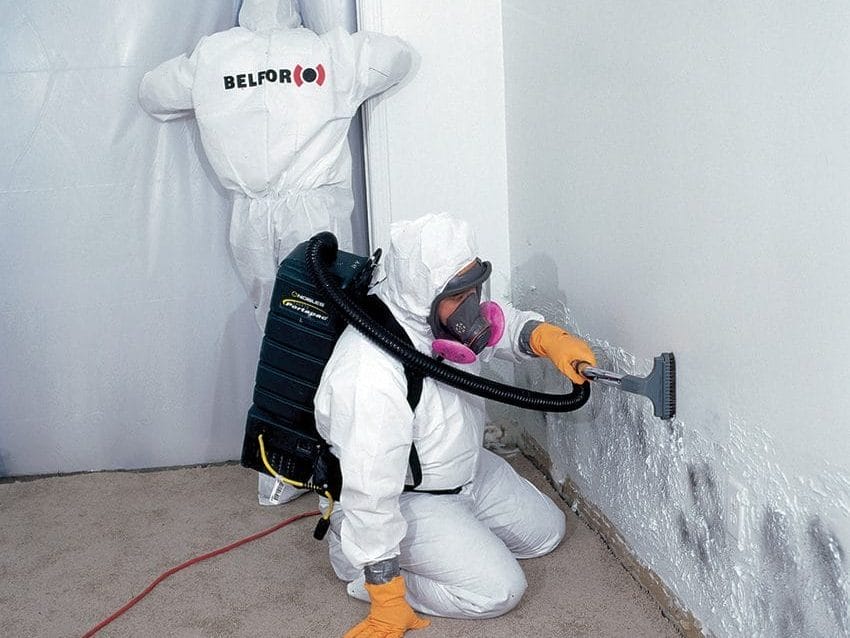
After a flood, many property owners rush to begin cleanup efforts in order to restore normal operations as quickly as possible. This often includes washing floors, cleaning walls, and removing visible mud and debris.
However, flood cleanup alone may not be enough. In reality, the most serious risks are often the ones that cannot be seen, residual moisture trapped within the building structure. If left untreated, hidden moisture can lead to significant health hazards and compromise the long-term integrity of the property.
The Hidden Threat: What Is Residual Moisture?
When flooding occurs, water does not remain only on the surface. It penetrates porous materials such as concrete, lightweight concrete blocks, drywall, and wood. Even when surfaces appear dry, moisture can remain trapped inside walls, floors, and structural components.
Unfortunately, conventional cleaning methods are unable to remove this hidden moisture.
This is why effective post-flood recovery requires specialized processes such as moisture control, deep structural drying, and comprehensive building inspections to ensure that all affected areas are properly restored.
4 Hidden Risks Lurking Behind Walls and Floors After a Flood
- Mold and Mildew Growth – Moisture creates an ideal environment for mold growth, which can affect the respiratory system and may trigger allergies over the long term.
- Structural Weakening – Reinforcing steel within concrete may corrode due to accumulated moisture, causing the building structure to deteriorate. Wooden materials are also susceptible to decay and deformation.
- Electrical Short Circuits – Moisture trapped within electrical systems may lead to short circuits and increase the risk of fire in the future.
- Unpleasant Musty Odors – Even after thorough cleaning, musty odors may return if moisture remains trapped within the building, as the root cause has not been addressed.
Warning Signs of Hidden Moisture You Should Never Ignore
Watch for the following indicators of moisture accumulation:
- Bubbling, peeling paint, or salt deposits (efflorescence) on walls
- Peeling wallpaper or black spots resembling mold growth
- Warped wooden flooring or loosening tiles
- Noticeable musty odors, especially when a room has been closed for a period of time
If you observe any of these warning signs, it may indicate that the flood cleanup process was incomplete and that further investigation is necessary.
When Should You Call in the Experts?
The difference between general cleaning and professional restoration services lies in the ability to identify hidden damage.
Specialists use dedicated equipment to measure moisture levels, analyze structural conditions, and assess potential future risks. This is particularly important when a building has been submerged for an extended period or when dealing with industrial facilities that require high safety standards.
Professional post-flood cleaning services do more than simply clean. They also include comprehensive flood recovery and building restoration following flood damage.
Contact an Expert for Advice
If you are looking for professional flood recovery and post-flood industrial cleaning services, contact BELFOR Thailand for expert consultation and a properly planned recovery process from the very beginning.


