The Cost of Delayed Mould Remediation: Lessons from Southeast Asia Case Studies
Key Takeaways
- A delayed response to moisture intrusion allows mould to spread deeper into building materials, resulting in longer recovery times and greater restoration costs.
- Case studies across Southeast Asia show that high humidity, inadequate ventilation, and postponed maintenance are leading contributors to escalating contamination problems.
- Early inspection and timely remediation reduce both operational disruption and potential health risks for occupants in commercial and institutional facilities.
- Proactive environmental monitoring and structured maintenance planning help businesses safeguard assets, maintain compliance, and avoid costly recovery work after incidents.
Why Delayed Mould Response Drives Up Recovery Costs
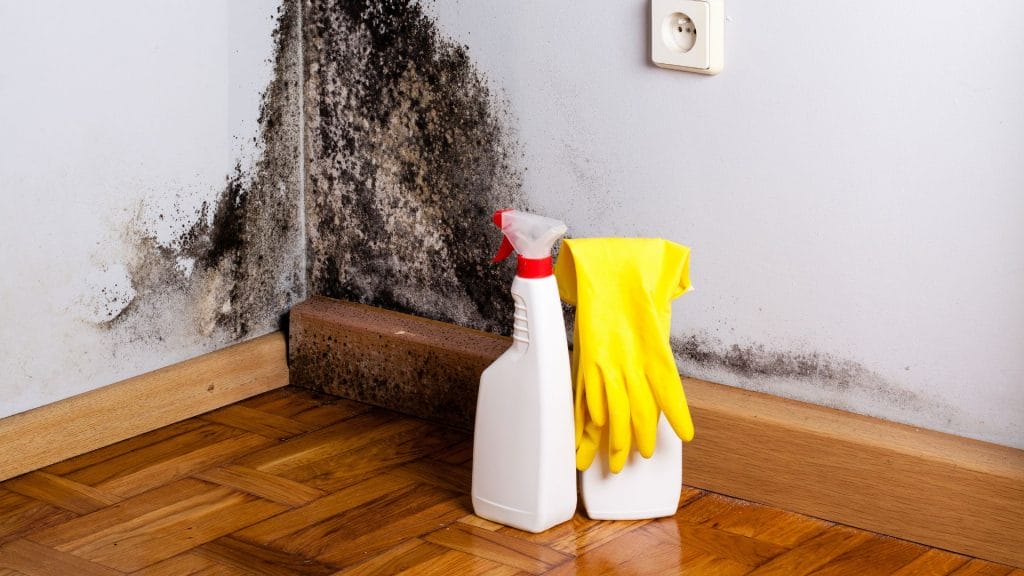
In Southeast Asia’s warm and humid climate, mould can take hold surprisingly fast after any form of water intrusion. What begins as a small patch can quickly spread through ceilings, walls, air-conditioning systems, and furnishings if left untreated. Each day of delay allows contamination to deepen, leading to longer downtime, higher mould removal costs, and potential health risks for those on site.
The following verified mould damage case studies from across the region show how slow response times have turned manageable issues into complex, costly recovery efforts, highlighting the importance of prompt, professional remediation.
1. Malaysian University Building Required Complex Decontamination After Delay
A study at Universiti Sains Malaysia found widespread fungal growth caused by moisture trapped in air-conditioning ducts and ceiling panels.
Operations continued for several months before remediation work began, allowing the contamination to spread across multiple floors. The delayed response meant that a full disinfection of the HVAC system, replacement of ceiling tiles, and comprehensive air testing were required to restore safe conditions. Researchers noted that an earlier intervention would have reduced restoration time and significantly lowered the overall cost of mould removal.
(Reference: Incidence and Remediation of Fungi in a Sick Building in Malaysia, Academia.edu).
2. Moisture Damage in Malaysian Hospitals Increased Maintenance Costs
A study on Moisture Problems and Building Defects in Malaysian Hospitals found that roof leaks and plumbing failures frequently led to visible mould growth on ceilings and wall partitions.
Postponing repairs allowed fungal contamination to recur and spread, resulting in widespread material replacement. The report also noted that Malaysia’s high humidity and poor ventilation further accelerated deterioration, increasing the overall cost of long-term maintenance. Early inspection and timely mould removal could have prevented the damage from reaching structural elements, helping facilities avoid unnecessary restoration costs.
(Reference: A Case Study on Moisture Problems and Building Defects, ResearchGate)
3. Johor Bahru School Study Linked Delayed Response to Health Concerns
A cross-sectional study conducted in schools in Johor Bahru examined the relationship between indoor microbiomes and environmental conditions.
Classrooms with visible mould and persistent dampness recorded higher airborne fungal levels and a noticeable increase in respiratory symptoms among students. Although the study focused on health effects rather than financial impact, it highlights how untreated mould can pose operational risks and expose educational institutions to potential liability. Regular maintenance and timely mould inspection services help prevent these issues from developing into larger health and cost challenges.
(Reference: Indoor Microbiome, Environmental Characteristics and Asthma among Junior High School Students in Johor Bahru, Malaysia, arXiv)
4. Fungal Growth in a Newly Built Hospital Increased Project Costs
A Malaysian study reported mould growth in a newly completed hospital caused by poor ventilation design and condensation trapped within wall cavities.
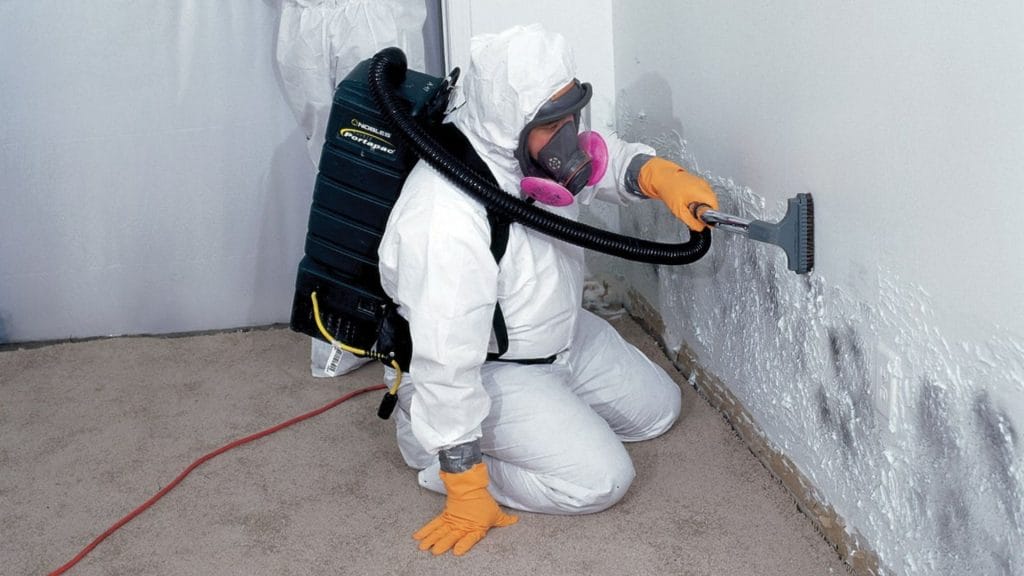
The problem surfaced during post-construction occupancy, when staining and musty odours appeared on ceilings. Remediation involved removing contaminated finishes and redesigning the ventilation system to improve airflow and reduce humidity. Researchers found that delayed detection during the defect liability period led to higher project expenses and disrupted the handover timeline. Early investigation by a mould remediation specialist could have identified the issue sooner, reducing both the restoration time and the overall cost of mould removal.
(Reference: Mold Growth Risk in a Newly Built Hospital Building in Malaysia: Problems and Solutions, Academia.edu)
5. Indonesian Case Study Shows the Cost of Long-Term Dampness
A 2023 study conducted in Surakarta City, Indonesia, examined how persistent tropical humidity contributes to ongoing mould growth in low-cost residential buildings.
Researchers found that inadequate drainage and poor ventilation led to chronic dampness, accelerating material decay and increasing maintenance costs for residents. Although the research focused on residential settings, it highlights a broader principle that applies across property types: the cost of delayed mould remediation rises steadily as materials degrade and contamination spreads.
For commercial and industrial properties, similar conditions can lead to extensive commercial property contamination, requiring more complex restoration and prolonged operational downtime. Regular inspections, humidity control, and preventive maintenance are essential to minimise these risks and avoid costly long-term damage.
(Reference: Assessment of Mould Risk in Low-Cost Residential Buildings in Urban Slum Districts of Surakarta City, Indonesia, MDPI Buildings Journal)
Early Action Protects Cost, Safety, and Reputation
The case studies across Southeast Asia point to the same conclusion. When mould remediation is delayed, contamination spreads, restoration becomes more complex, and overall recovery expenses rise. Acting early not only helps contain damage but also keeps mould removal cost within manageable limits, especially in facilities affected by flooding or persistent humidity, where post-disaster mould recovery may be required.
BELFOR provides professional mould removal and restoration services for commercial, industrial, and specialised facilities. With extensive experience in contamination control and environmental recovery, the company helps businesses restore safe, compliant, and fully operational environments.
Contact us today to learn how expert remediation support can help your organisation recover quickly and prevent future mould-related risks.