Post-Typhoon Cleaning Mistakes That Lead to Mould Infestations
Key Takeaways
- Rushing to clean and reopen after a typhoon can create long-term contamination issues if materials and spaces are not thoroughly dried and validated.
- Proper preparation, cleaning, and drying are critical to preventing microbial growth and ensuring a safe working environment.
- HVAC systems, insulation, and porous materials often retain hidden moisture and require specialised inspection and treatment.
- Professional recovery support helps businesses reduce downtime, maintain compliance, and restore facilities safely and efficiently.
Introduction
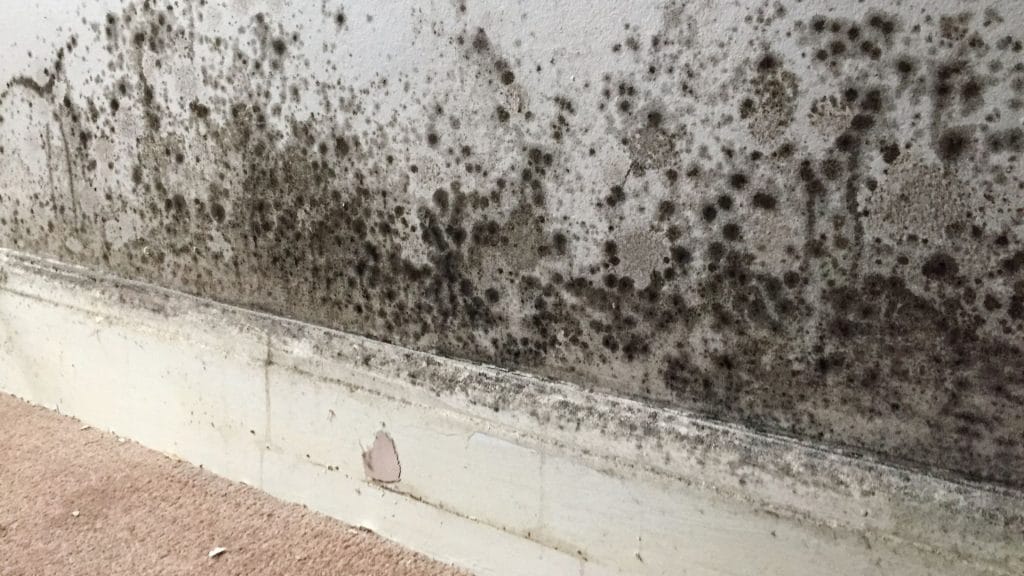
After a typhoon, many businesses focus on quickly cleaning up and getting operations back up and running. In the urgency to recover, however, one crucial issue is often overlooked: the link between lingering moisture and mould growth. When moisture and high humidity remain trapped within walls, flooring, or enclosed spaces, they create conditions where mould can quietly develop and spread.
Mistakes made during the first few days of recovery can have lasting consequences, leading to hidden contamination, poor air quality, and long-term structural damage. Understanding how these issues begin is the first step in preventing them. Below are 6 common post-typhoon cleaning mistakes that can lead to mould infestations, along with practical ways to reduce future risks through proper recovery practices.
1. Incomplete Drying Encourages Hidden Mould Growth
Floodwaters and heavy rain can saturate flooring, insulation, and wall cavities. Even after visible water is cleared, moisture often remains trapped deep within structural materials. When combined with high humidity, these damp conditions promote mould growth and allow hidden mould colonies to form.
Relying only on surface drying or natural ventilation rarely removes moisture from substructures. Professional water extraction services and controlled drying methods help remove residual dampness, stabilise humidity levels, and create a safe environment for reoccupation.
2. Disinfecting Without Proper Surface Preparation
Applying disinfectants or cleaning agents to wet or unclean surfaces is a common mistake after storm clean-ups. When organic residue or moisture is left behind, it can trap contaminants beneath the surface. This not only gives a misleading impression of cleanliness but also allows mould and other microorganisms to continue spreading out of sight.
For disinfection to be effective, surfaces must first be thoroughly cleaned and dried to remove residual dirt, debris, and microbial growth. Following flood recovery best practices helps ensure that cleaning agents perform as intended and that indoor environments remain stable and safe for long-term use.
3. Neglecting HVAC and Air Duct Systems
Air-conditioning and ventilation systems are particularly vulnerable to moisture and high humidity after a storm. When power is unavailable, condensation can accumulate inside supply ducts, creating ideal conditions for mould growth. Once the system is switched back on, these spores can circulate throughout the facility, compromising indoor air quality after storms.
Engaging professionals for air duct cleaning helps remove trapped moisture, debris, and microbial contamination from within the system. This reduces the risk of recontamination, restores balanced humidity levels, and protects both employees and equipment.
4. Keeping Materials That Cannot Be Fully Decontaminated
Flood-affected carpets, upholstered furniture, and other porous materials can absorb large amounts of moisture and spores. Trying to salvage these items often reintroduces mould into areas that have already been cleaned, undoing earlier recovery efforts.
To prevent secondary contamination, any materials that cannot be thoroughly dried or sanitised should be removed and disposed of safely. This includes insulation boards, fibre panels, and certain storage materials that may conceal hidden mould colonies. Removing these items early helps achieve a more thorough restoration and minimises the risk of future contamination.
5. Overlooking Moisture Within Thermal Insulation
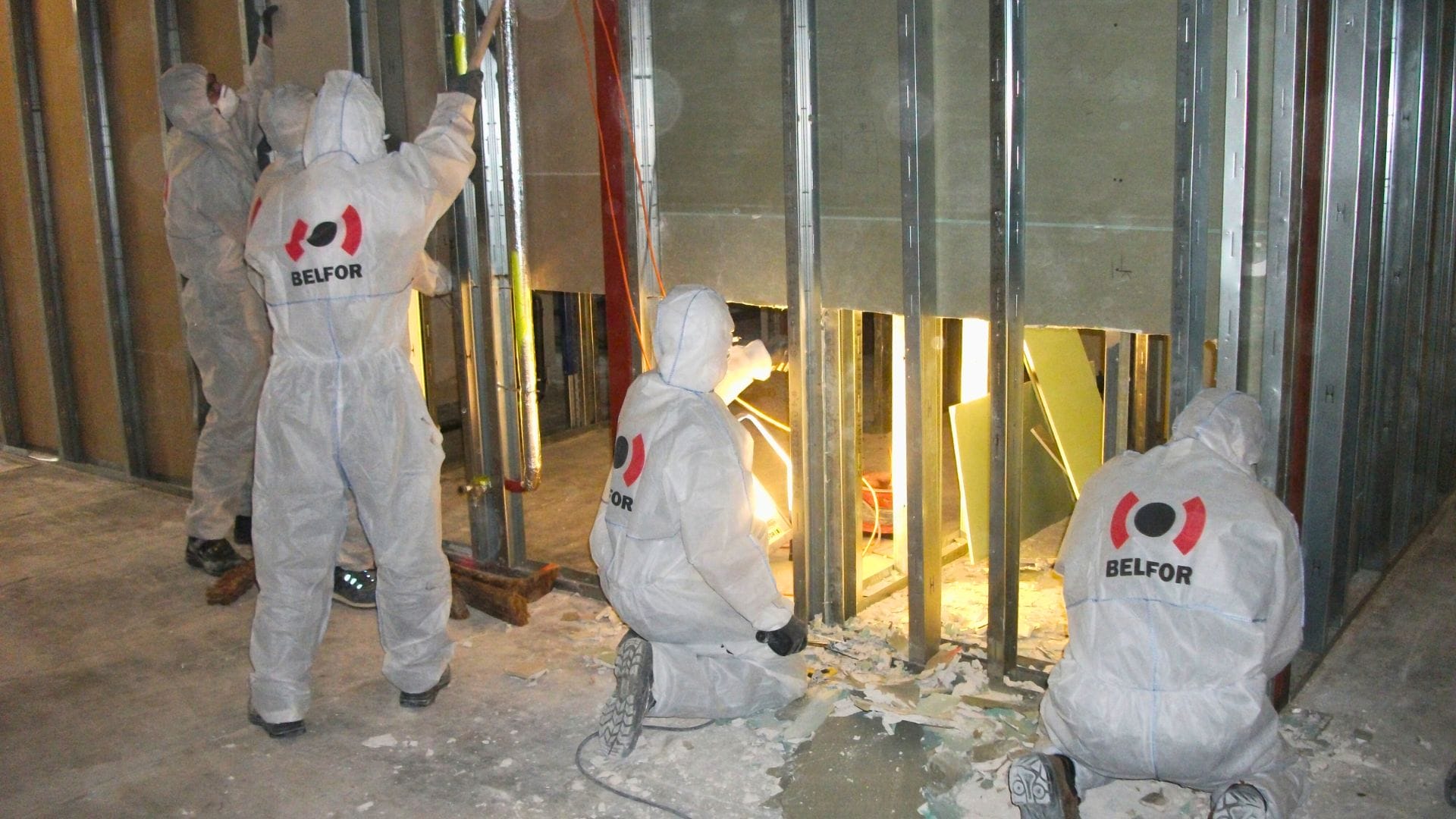
Thermal insulation, particularly within walls and ceilings, often becomes a hidden source of contamination after a typhoon. Once it absorbs moisture, it is challenging to dry completely. The trapped dampness encourages unseen mould growth that can gradually affect wall surfaces and the surrounding air.
Leaving saturated insulation untreated can compromise both structural integrity and indoor air quality for an extended period. Moisture mapping, controlled removal, and targeted black mould treatment are often necessary to address contamination effectively in these concealed areas.
6. Reopening Prematurely Without Environmental Verification
Resuming operations before verifying humidity and surface conditions can result in ongoing contamination. Even when a facility appears clean, elevated humidity levels can quickly trigger new mould growth once equipment and staff return.
Before reopening, it is essential to conduct environmental validation, including air and surface sampling, humidity measurements, and microbial testing. Proper water drying and environmental checks confirm that the building meets safe-occupancy standards, helping prevent future remediation and protect both infrastructure and personnel.
Conclusion: Reducing Mould Risks Through Professional Recovery
Successful post-typhoon recovery involves more than basic cleaning. It requires a structured process that removes excess moisture, eliminates contaminants, and restores a safe, stable indoor environment. Ignoring the connection between humidity and water-damaged materials can lead to recurring mould issues and long-term deterioration.
BELFOR provides professional decontamination, water extraction, and recovery solutions for industrial, commercial, and specialised facilities. Our technical expertise helps organisations manage contamination risks, restore operational stability, and maintain compliance with environmental standards.
Contact us today to learn how our comprehensive recovery services can help prevent mould growth and ensure a safe return to normal operations after severe weather events.