Dry Season Fire Safety for Industrial Sites and Warehouses
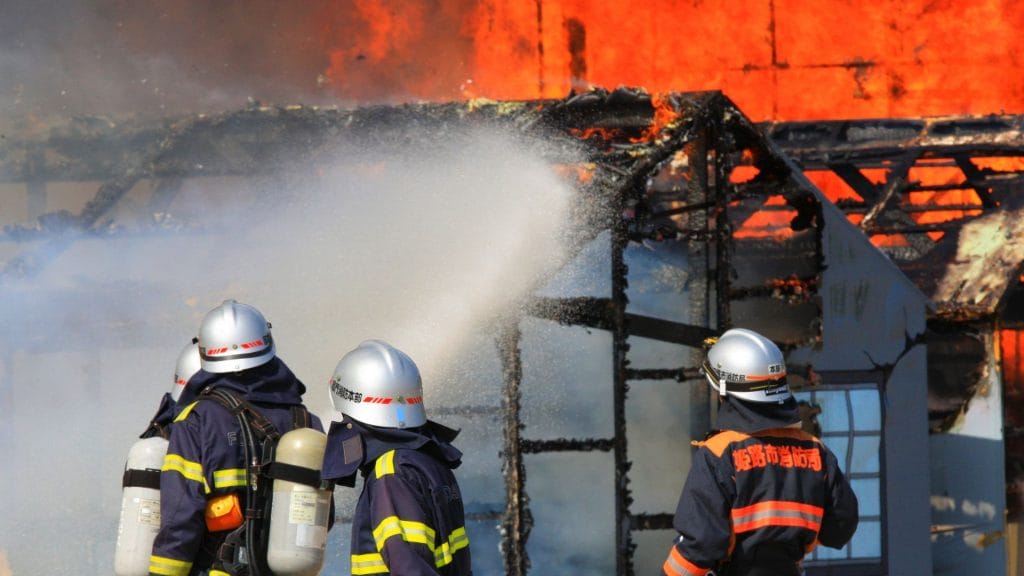
Key Takeaways
- Dry weather significantly increases fire risks in industrial settings due to the combination of flammable materials, heat-generating equipment, and poor ventilation.
- Warehouse stock layout and material storage play a critical role in how quickly a fire can spread, especially when combustible packaging is involved.
- Equipment maintenance becomes even more vital during dry seasons, as overheating and electrical faults are more likely to lead to ignition.
- Effective recovery goes beyond clean-up, offering a chance to reassess facility design, upgrade safety measures, and reduce future vulnerability.
Introduction
During dry periods, fire risk increases significantly across industrial facilities and storage environments. Elevated temperatures, reduced humidity, and the presence of flammable materials heighten the likelihood of ignition, often triggered by routine operations or minor faults. In such conditions, effective industrial fire prevention goes beyond routine compliance. It requires a systematic, preventive approach supported by a clearly defined recovery framework to minimise both immediate and long-term risk.
In regions like Indonesia, where the dry season typically spans from April to October, the risk is even more pronounced. According to the Meteorology, Climatology, and Geophysics Agency (BMKG), these seasonal shifts reduce rainfall and elevate fire susceptibility across the country. For businesses operating in climates with similar conditions, fire safety planning must account for these recurring environmental stressors.
This article examines the specific factors that make fire outbreaks more likely during dry weather, highlights commonly overlooked risks in warehouses and industrial sites, and explains how professional recovery efforts contribute to sustained operational safety.
How Do Dry Conditions Make Existing Fire Hazards Worse?
Prolonged dry conditions intensify common fire risks within industrial settings. Dust buildup becomes more combustible, while machinery that already generates heat may operate under greater thermal strain. Insufficient ventilation further compounds the problem, allowing heat to accumulate in confined areas. Under these conditions, even minor electrical faults, friction sparks, or static discharges can lead to ignition.
For facilities with continuous operations, it is essential to evaluate how dry weather alters their risk landscape. Fire safety measures must be reviewed and adjusted to account for the increased volatility associated with seasonal dryness.
Why Does Warehouse Inventory Increase Fire Risk?
Storage environments often house large volumes of combustible materials such as cardboard, wooden pallets, plastic wrapping, and foam packaging. When these items are stored in close proximity or positioned near potential ignition points, they can accelerate the spread of fire. Dry air conditions heighten their flammability, increasing the speed and severity of combustion.
Despite these risks, warehouse layout and stock arrangement are commonly overlooked in fire safety planning. Incorporating inventory control into industrial fire prevention strategies through material segregation, zoning, and adequate ventilation is crucial in reducing fire load and containing potential incidents.
Can Poor Equipment Maintenance Lead to Fire Outbreaks?
Poorly maintained equipment is a leading contributor to industrial fires, particularly during dry periods. Common ignition sources include unserviced motors, overloaded electrical circuits, and obstructed cooling systems. These risks are further compounded when dust or fibres accumulate around machinery, increasing the likelihood of overheating and combustion.
While regular maintenance is critical, facilities must also be prepared for incident response. Working with fire and smoke damage restoration specialists ensures that recovery is efficient and compliant with safety standards. When paired with a forward-looking industrial fire prevention plan, this approach helps minimise disruption and prevent recurrence.
What Happens After the Flames Are Out?
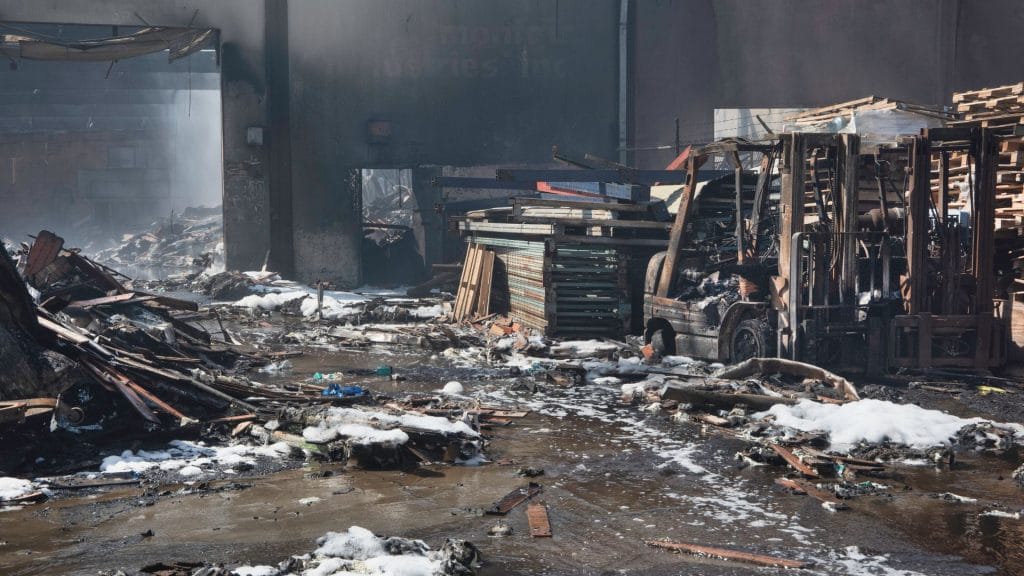
Extinguishing a fire marks only the beginning of the recovery process. Smoke, soot, and corrosive residues often travel far beyond the point of ignition, spreading through ventilation systems, settling on machinery, and affecting inventory that may not have been directly exposed to flames. These contaminants can degrade air quality, damage sensitive equipment, and accelerate material wear. In addition, structural components may suffer hidden stress from prolonged heat exposure.
To restore a facility to safe operating condition, specialised decontamination cleaning services are typically required. Comprehensive recovery should include air quality testing, structural inspections, and contamination assessment to ensure that operations can resume safely and without residual risk.
Why Is Recovery a Key Part of Fire Prevention?
Post-fire recovery extends beyond restoration. It offers a critical window to identify vulnerabilities and improve overall safety. Incidents often expose weaknesses in facility layout, electrical systems, or fire-resistant materials that routine inspections may miss. The timely involvement of specialists experienced in managing fire smoke damage enables effective restoration while supporting future risk mitigation.
This stage can also involve targeted upgrades such as improved insulation, reconfigured storage zones, or enhanced ventilation. When integrated into a broader industrial fire prevention strategy, recovery becomes a foundation for long-term resilience, particularly in preparation for recurring dry season conditions.
Fire Prevention Doesn’t End When the Fire Is Out
Managing fire risk during the dry season calls for more than preventive measures. A comprehensive approach must combine hazard identification, facility-specific protections, and structured post-incident recovery to ensure operational continuity and long-term safety.
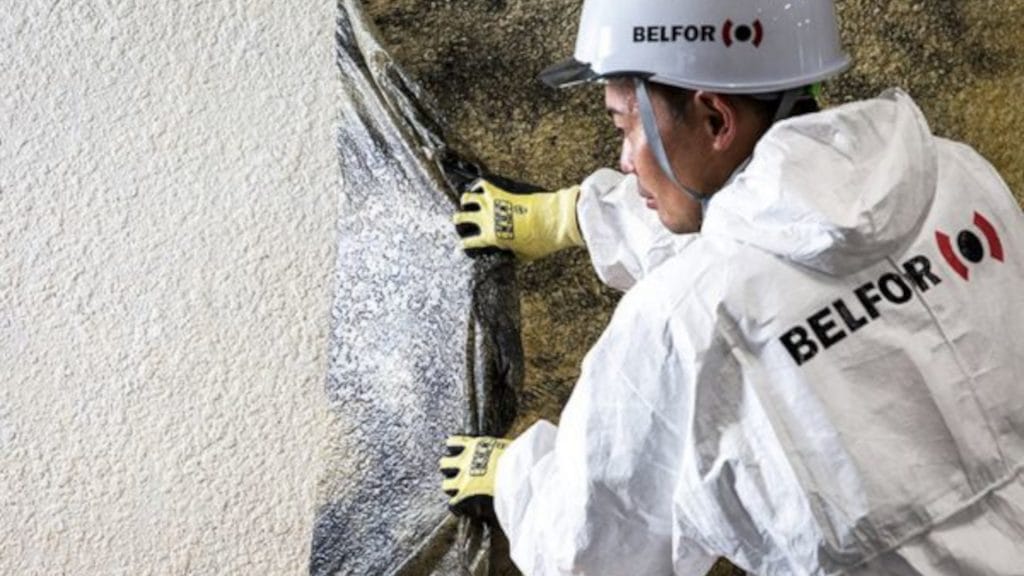
BELFOR partners with industrial and commercial clients across Southeast Asia to manage the full cycle of fire response, enabling rapid recovery and strengthening industrial fire prevention strategies for future resilience.
To prepare your facility before, during, and after a fire event, get in touch with our team to develop a tailored response and recovery plan.