Flood-Proofing Your Commercial Property: What Actually Works in Southeast Asia
Key Takeaways
- Effective prevention of floods often begins with proper site elevation and drainage planning, which helps direct rainwater away from buildings and reduces the likelihood of repeated water intrusion.
- Flood barriers and protective systems can reduce exposure to rising water, but they must be deployed early and maintained regularly to function as intended.
- Elevating electrical panels, machinery, and data infrastructure helps protect critical assets and can significantly shorten recovery time after a flooding incident.
- Routine inspections and maintenance of drainage systems, waterproofing, and building seals are essential to ensure that flood protection measures remain reliable over time.
Prevention of Floods in Commercial Buildings: What Actually Works in Southeast Asia
Flooding continues to pose a significant challenge for commercial properties across Southeast Asia. Heavy rainfall, persistent humidity, and seasonal monsoon cycles create conditions conducive to rapid water accumulation, particularly during intense storms. Even in well-developed cities, sudden flash floods can occur when drainage systems are overwhelmed.
In response, many businesses invest in upgrades or equipment marketed as flood-proofing solutions. In reality, the prevention of floods in commercial environments rarely depends on a single device or installation. The goal is not absolute flood-proofing, but achieving high flood resilience, a more reliable approach that combines considered site planning, practical building design modifications, and consistent maintenance to reduce the likelihood of water ingress.
Understanding which measures are most effective can help businesses prepare more effectively for monsoon flooding risks. When the right strategies are in place, buildings are better positioned to withstand heavy rainfall, limit potential damage, and recover more quickly after a flood.
Site Elevation and Drainage Planning Make a Major Difference
A building’s position relative to the surrounding terrain significantly affects its exposure to flooding. Properties on low ground or in areas with inadequate site grading are more prone to water accumulation during heavy rain. Inefficient rainwater drainage leads to water pooling around entrances, loading bays, and underground facilities, increasing the risk of water ingress.
In many Southeast Asian cities, dense urban development and high water tables can further complicate drainage, as intense rainfall produces large volumes of surface run-off that municipal systems may struggle to disperse quickly.
Improving site elevation and drainage flow is thus one of the most practical approaches to commercial flood prevention. This may involve regrading surrounding surfaces to encourage rainwater to flow away from the structure. Well-designed drainage channels and stormwater systems also help redirect excess water before it reaches the building envelope.
Larger facilities sometimes incorporate flood channels or retention basins into their site layout. These features temporarily hold excess rainwater, releasing it gradually once the surrounding drainage system’s capacity has recovered. Although such adjustments require careful planning and engineering input, they can provide long-term protection against recurring flood exposure.
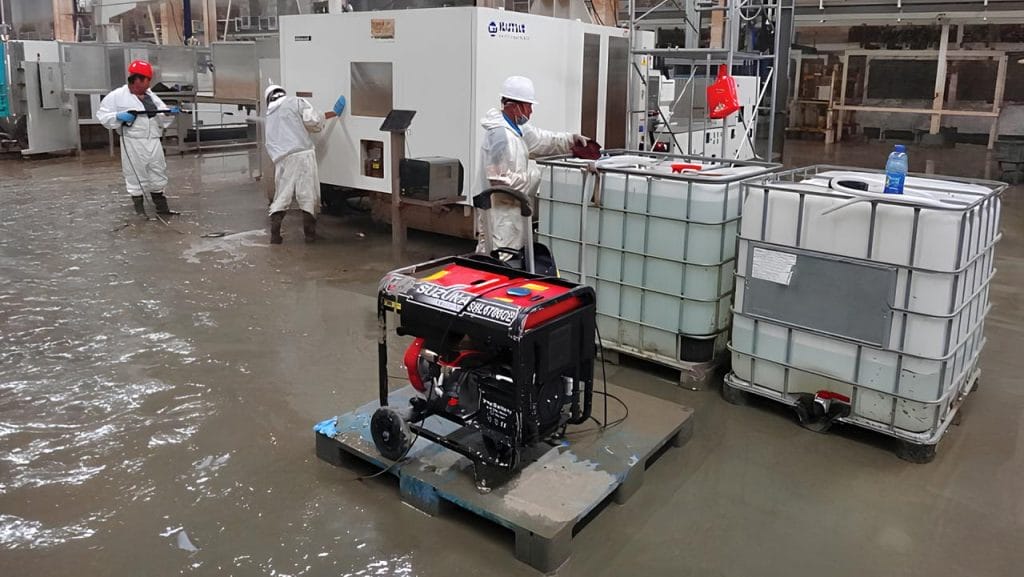
When water has entered a building, it is critical to act quickly. Removing standing water promptly limits further damage and reduces the risk of moisture spreading into building materials. In these situations, businesses may require a professional water removal service to extract water efficiently and stabilise the affected areas before further restoration work can begin.
Barrier Systems Can Be Effective If Used Correctly
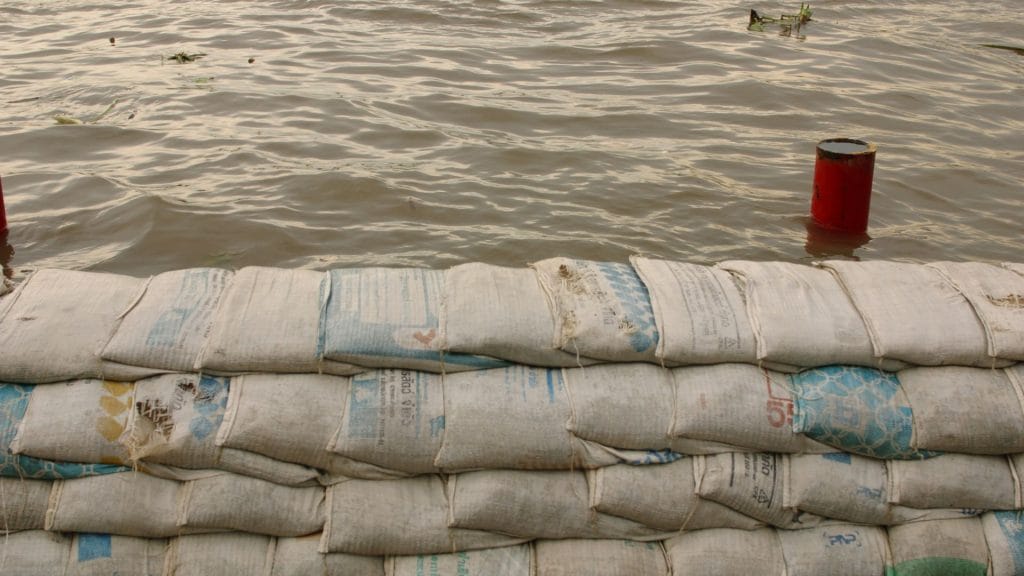
Temporary barriers are often installed where floodwater is most likely to enter a building, such as doorways, loading docks, and vehicle ramps. These flood barrier systems may include fixed flood gates, removable aluminium panels, or inflatable barriers designed for rapid deployment during severe weather.
Their purpose is straightforward: to block rising water before it crosses the threshold of the building. When used correctly, they can aid in the prevention of floods by limiting the amount of water entering vulnerable areas. However, their effectiveness depends greatly on preparation and timing. Once floodwater has already begun to enter a site, installing a barrier may offer little protection.
Businesses, therefore, benefit from having clear procedures that outline when barriers should be installed and who is responsible for deploying them. Staff involved in emergency response should be familiar with trigger conditions such as rainfall warnings, rising nearby water levels, or drainage alerts. Regular inspections are equally important to ensure that seals, panels, and mechanical components remain in working order.
Barrier systems tend to work best when combined with broader water ingress solutions that address how water moves around the property, rather than relying on a single protective structure.
Elevating Critical Equipment Helps Reduce Recovery Time
Floodwater typically accumulates at floor level first. Consequently, electrical systems, mechanical equipment, and data infrastructure installed close to the ground are particularly vulnerable during flooding.
Elevating critical components above anticipated water levels can significantly help prevent floods from causing prolonged operational disruptions. Electrical distribution boards, server racks, pumps, and industrial machinery can often be mounted on raised platforms or relocated to higher floors to reduce their exposure to water.
Even a small increase in height can make a significant difference. Equipment installed just 30 to 50 centimetres above floor level may remain unaffected during shallow flooding, which might otherwise damage sensitive components.
Protecting essential infrastructure in this way often reduces the scale of the subsequent recovery required. When machinery and electrical systems remain operational, restoration teams can concentrate on drying and cleaning the surrounding environment, rather than replacing major assets.
Water-Resistant Building Materials Improve Resilience
Another practical step involves selecting building materials that better withstand moisture exposure. Many conventional materials rapidly absorb water and deteriorate when saturated, which can complicate recovery after a flood.
Standard drywall, for example, can weaken or develop mould after prolonged contact with moisture. Replacing vulnerable surfaces with more resilient alternatives can strengthen flood resilience at a structural level. Fibre cement boards, epoxy-coated flooring, and water-resistant insulation are commonly used in areas prone to occasional water exposure.
These materials tend to dry faster and are generally easier to clean once floodwater has been removed. In industrial facilities or commercial kitchens, epoxy floor coatings can also help prevent water from seeping into the concrete beneath, reducing long-term structural deterioration.
While material selection cannot prevent flooding entirely, it can significantly limit the damage when water enters a building.
Regular Maintenance Is Often More Valuable Than One-Time Solutions
Flood protection strategies often focus on installing new systems or upgrading building structures. Yet ongoing upkeep plays an equally important role in the prevention of floods.
Over time, drainage systems, roof gutters, and waterproof seals can deteriorate. Debris buildup, blocked drains, cracked sealants, or damaged waterproof membranes may slowly weaken a building’s ability to manage rainwater effectively.
Routine inspections allow maintenance teams to identify these issues before heavy rainfall exposes them. Seasonal checks ahead of monsoon periods are particularly useful, as they help ensure that drainage systems and water channels are operating at full capacity.
Regular maintenance also confirms that previously installed barriers, pumps, and waterproofing systems remain functional. Without periodic checks, even well-designed protective measures may fail when they are needed most.
Severe weather can still overwhelm preventative measures. When flooding occurs, professional flood restoration services may be necessary to remove contaminants, dry affected materials, and help restore building operations safely.
Restoring Operations After Flood Damage
The prevention of floods in commercial properties rarely relies on a single solution. More often, it requires a combination of practical measures, including careful site planning, resilient building design, protective barriers, and consistent maintenance. Improvements such as enhanced drainage management, elevating critical equipment, and using water-resistant materials can significantly reduce the impact of heavy rainfall.
Even with these precautions, extreme weather can still overwhelm protective measures. Floodwater may carry contaminants, damage sensitive equipment, and seep into concealed building spaces, where moisture remains long after the visible water has receded. When this happens, professional recovery work becomes essential to stabilise the property and prevent further deterioration.
BELFOR supports commercial and industrial facilities across Southeast Asia with structured disaster recovery services following flood incidents. Through detailed assessment, technical drying, decontamination, and restoration processes, recovery teams help businesses return affected environments to safe operating conditions.
If your facility has been affected by flooding, contact BELFOR today to arrange an assessment and begin the recovery process.
