Mould-Proofing Your Business in the Tropics: What Actually Works
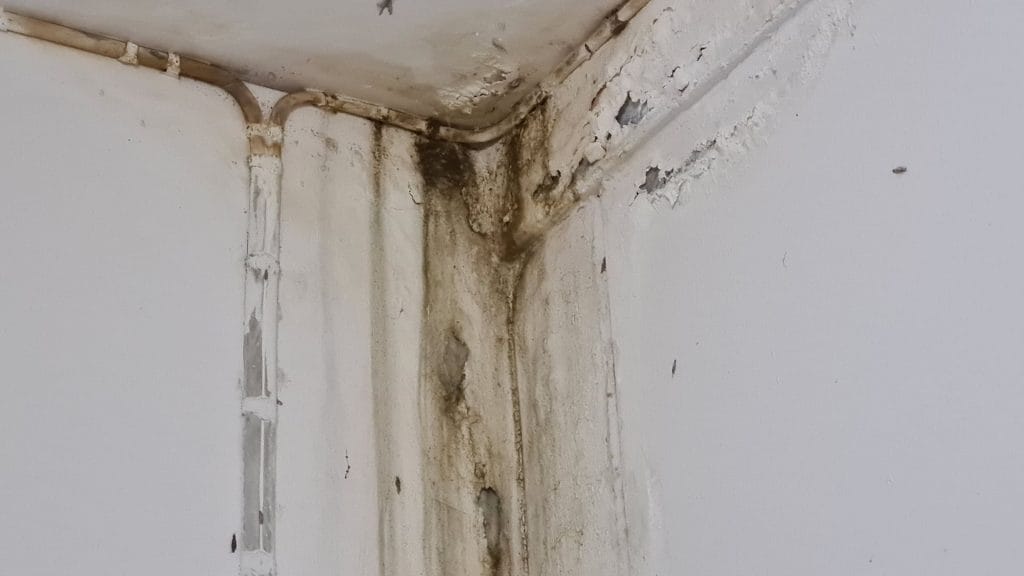
Key Takeaways
- Effective mould prevention in commercial buildings begins with controlling indoor humidity through proper ventilation, dehumidification, and consistent airflow.
- Selecting moisture-resistant materials for walls, flooring, and furnishings can reduce the likelihood of mould developing on commonly affected surfaces.
- Routine inspections of roofs, window seals, plumbing, and structural joints help detect water intrusion early, preventing hidden moisture from accumulating inside building structures.
- Spaces that have previously experienced mould contamination require closer monitoring, as unresolved moisture sources or lingering spores may increase the risk of recurrence.
What Actually Works for Mould Prevention in Commercial Buildings
In tropical regions such as Southeast Asia, heat and humidity create the perfect conditions for mould to thrive. Offices, factories, hotels, and warehouses often face higher risks because large buildings contain many concealed spaces, such as ceiling voids, ventilation ducts, and equipment rooms, where moisture can quietly accumulate.
Effective mould prevention goes beyond occasional cleaning or surface treatment. It involves keeping humidity levels under control, choosing materials that resist moisture, maintaining ventilation systems properly, and paying close attention to any past mould incidents that may signal underlying issues.
Although mould spores are naturally present in most environments, businesses can significantly reduce the chances of an outbreak by managing the conditions that allow mould to grow. For commercial properties, mould contamination can affect equipment, stored goods, and workplace environments if left unchecked. Practical steps such as monitoring humidity levels, inspecting vulnerable areas, and improving airflow all contribute to stronger moisture management in facilities.
When these measures are applied consistently, property managers are better positioned to maintain healthier indoor environments while protecting the long-term condition of their buildings.
Control Indoor Humidity with Proper Airflow and Dehumidification
Managing humidity remains one of the most effective ways to reduce mould risks in commercial buildings. Across Southeast Asia, outdoor humidity frequently exceeds 80%, with cities such as Singapore recording average relative humidity levels of around 82%.
Keeping indoor humidity below roughly 60% helps limit the conditions in which mould can grow. Many buildings achieve this through a combination of air-conditioning systems, mechanical ventilation, and strategically placed dehumidifiers. Together, these systems support consistent humidity control in buildings, especially in areas where moisture levels tend to fluctuate throughout the day.
Some facilities also install humidity sensors that allow building management systems to monitor moisture levels continuously. When humidity rises beyond recommended thresholds, the system can trigger ventilation adjustments or alerts so that corrective action can be taken promptly.
Airflow is just as important as humidity control. Spaces such as storage rooms, plant rooms, and concealed ceiling voids often suffer from stagnant air, allowing moisture to linger unnoticed. Ensuring that ventilation systems circulate air effectively through these areas helps maintain better indoor air quality while reducing the environments where mould growth in humid climates tends to occur.
Regular maintenance of ventilation systems also supports these efforts. Over time, dust and moisture can accumulate inside ducts, creating conditions that encourage microbial growth. In larger facilities, periodic air duct cleaning helps remove contaminants that could otherwise contribute to mould development.
Choose Mould-Resistant Materials for Walls, Floors, and Furnishings
The materials used in a building’s structure and interior finishes can influence how easily mould develops. Porous surfaces such as untreated wood, standard gypsum board, and carpeting tend to absorb moisture. When humidity levels rise, these materials can retain dampness, creating conditions where microbial growth may begin.
Using mould-resistant materials helps reduce this risk. Non-porous flooring, treated wall panels, and moisture-resistant drywall are commonly chosen for commercial environments where exposure to humidity cannot always be avoided.
Furniture and interior fixtures also play a part. Upholstered seating, fabric partitions, and soft furnishings can hold moisture after spills or cleaning, allowing damp areas to persist longer than expected. Selecting materials designed for humid environments, including antimicrobial finishes or moisture-resistant fabrics, can help limit this vulnerability.
Material choices alone, however, cannot fully prevent mould from forming. They are most effective when combined with good humidity control, regular maintenance, and prompt attention to any signs of water intrusion.
Address Water Intrusion Points Before the Rainy Season Begins
In many parts of Southeast Asia, heavy rainfall during the monsoon season places considerable strain on building structures. Small gaps in roofing, worn sealants around windows, or cracks along wall joints can allow rainwater to seep into hidden areas of the building.
Once moisture enters these spaces, it may become trapped within insulation, ceiling cavities, or wall structures. Since these areas are not typically inspected during routine operations, mould may begin developing long before visible stains or musty odours appear. Moisture trapped within wall cavities or ceiling systems can allow mould to spread unnoticed until contamination becomes extensive.
Routine building inspections help minimise this risk. Facility managers often check roof membranes, drainage systems, plumbing connections, and window seals ahead of the rainy season. Identifying small vulnerabilities early allows maintenance teams to carry out repairs before water intrusion becomes more severe.
Preventing water from entering the building envelope remains one of the most effective ways to support long-term mould management. Once moisture penetrates concealed areas, locating and resolving the problem becomes far more complicated.
Implement a Routine Cleaning and Inspection Schedule
Regular cleaning and inspections play an important role in mould prevention. Over time, dust, paper fibres, organic debris, and other microscopic particles collect in corners, ventilation systems, and equipment areas. When moisture is present, these materials can provide the nutrients mould needs to grow.
A structured cleaning schedule helps keep this build-up under control while allowing staff to spot early warning signs such as musty odours, water stains, or small leaks. Areas that often require closer attention include storage rooms, utility spaces, ceiling voids, and HVAC systems.
Ventilation infrastructure also deserves careful monitoring. Dust and moisture can accumulate inside ductwork, creating conditions where microbial growth may develop if left unattended. In larger facilities, particularly in industrial settings, periodic industrial duct cleaning may be necessary to remove contaminants from extensive ventilation networks.
Routine inspections are equally important. Slow plumbing leaks, condensation around poorly insulated pipes, or minor drainage issues can quietly introduce moisture into the building. Identifying and resolving these problems early helps prevent them from developing into larger conditions that encourage mould growth.
Treat Previous Mould Incidents as Structural Risk Factors
Buildings that have experienced mould contamination in the past may face a greater likelihood of recurrence. Even after visible mould has been removed, microscopic spores can remain embedded in porous materials, insulation, or concealed spaces within the structure.
If moisture returns to these areas, the spores may reactivate and begin spreading again. For this reason, past mould incidents should be treated as indicators of potential structural vulnerabilities rather than isolated events.
Professional restoration teams often investigate the underlying causes of earlier mould outbreaks. These investigations may reveal issues such as unresolved water intrusion, inadequate ventilation, or hidden moisture sources behind walls or within duct systems.
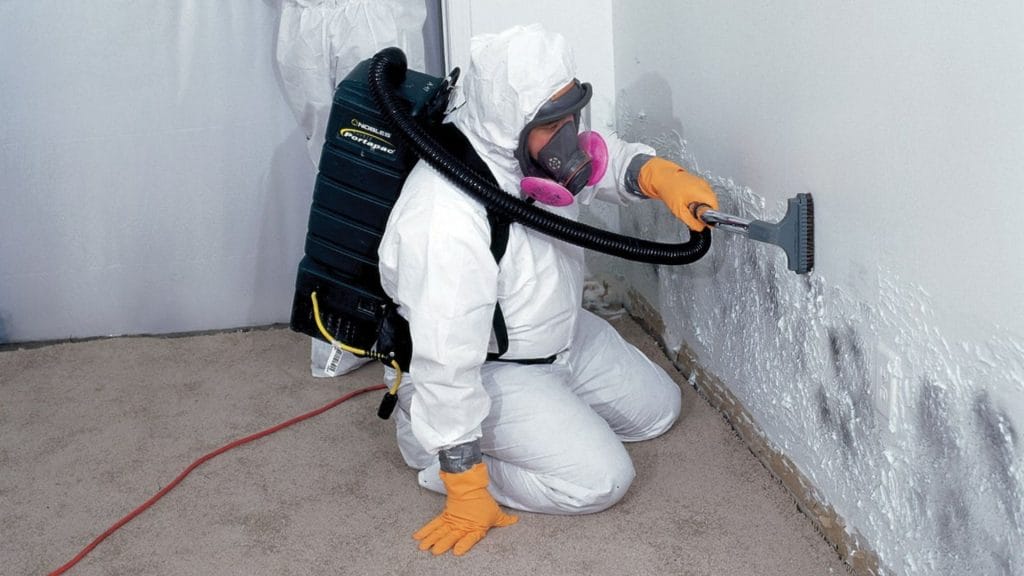
In some situations, businesses may engage specialists offering commercial mould remediation or a dedicated mould prevention service to carry out a more detailed assessment. This process may involve moisture mapping, contamination testing, and targeted remediation methods designed to remove residual spores while addressing the conditions that allowed mould to develop in the first place.
By understanding how previous incidents occurred, organisations can strengthen their maintenance practices and reduce the risk of future mould outbreaks.
Strengthening Your Property’s Mould Prevention Strategy
In humid climates such as Southeast Asia, managing mould risks requires consistent attention to the environmental conditions that allow it to develop. Controlling humidity, maintaining ventilation systems, choosing moisture-resistant materials, and addressing potential water intrusion points early all help reduce the likelihood of contamination. Routine cleaning and inspections also allow businesses to detect hidden moisture before it develops into a larger issue.
Buildings that have previously experienced mould problems should be monitored more closely. Earlier incidents may indicate underlying vulnerabilities such as concealed moisture, ventilation imbalances, or structural gaps that allow water to enter the building. Identifying and addressing these factors helps organisations strengthen their maintenance practices and lower the risk of recurrence.
When mould contamination occurs or when hidden moisture risks are suspected, a professional assessment can help determine the extent of the problem and the appropriate recovery approach. BELFOR provides specialist restoration solutions designed for commercial and industrial environments.
If your facility is experiencing mould issues or recurring moisture problems, contact BELFOR today to arrange a professional assessment and find out how targeted remediation strategies can help safeguard your property over the long term.
