Hotels & High-Rise Buildings: Why You Need a Mould Inspection After Heavy Rain

Key Takeaways
- Mould on walls can develop quickly in high-rise buildings after heavy rainfall, especially when water enters concealed spaces such as facades, ceilings, or wall cavities.
- Moisture trapped within building materials, ventilation systems, or interior finishes can allow contamination to spread quietly across multiple areas before visible signs appear.
- Early inspections help property managers detect hidden moisture problems and prevent minor issues from escalating into larger remediation projects.
- Regular monitoring after storms supports safer indoor environments and helps buildings maintain operational continuity while avoiding costly disruptions.
Why Regular Inspections Matter for Detecting Mould on Walls in High-rise Buildings
In high-density properties such as hotels and office buildings, heavy rainfall can introduce moisture into parts of a building that are not routinely inspected. Water can penetrate facades, roof structures, window joints, or concealed cavities within walls and ceilings. When moisture becomes trapped in these hidden spaces, mould can begin to develop discreetly, often long before any visible signs appear.
Because these buildings house many occupants, even a small mould issue can gradually affect multiple areas if left unaddressed. Indoor air quality may decline, musty odours may develop, and what begins as a minor moisture problem can eventually require more extensive remediation.
Regular inspections allow property managers to detect hidden moisture early, intervene quickly, and prevent mould from spreading across occupied spaces.
Rainwater Can Seep Through Building Envelopes Without Obvious Signs
High-rise buildings rely on their external envelope, the outer physical barrier that separates the interior of the building from the external environment, to protect interior spaces from rain and humidity. This includes facade panels, window frames, waterproofing layers, and structural joints that seal the building against weather exposure.
Over time, these protective elements may deteriorate. Window sealants can shrink or crack, facade panels may develop small fractures, and drainage channels designed to redirect rainwater can become clogged. During heavy rainfall, water can slowly pass through these weak points and enter concealed areas within walls or ceilings.
Once moisture accumulates behind finished surfaces, conditions become favourable for mould growth. These spaces are typically dark, poorly ventilated, and rarely inspected during routine maintenance. As a result, mould may develop unnoticed for extended periods.
Visible signs often appear only after the problem has spread. By the time stains, peeling finishes, or musty odours emerge in guest rooms or corridors, the moisture issue may already be well established. This type of water intrusion within the building envelope can therefore remain undetected until the contamination has spread across larger sections of the structure.
Regular inspections help identify these problems earlier. Techniques such as moisture mapping, thermal imaging, and targeted facade assessments can reveal damp areas hidden within structural cavities, allowing property managers to address issues before extensive restoration becomes necessary.
HVAC Systems in High-Rises Can Circulate Spores Across Multiple Levels
Modern high-rise buildings rely on centralised heating, ventilation, and air conditioning (HVAC) systems to maintain consistent indoor comfort. These systems move air throughout the building, circulating it between guest rooms, corridors, common areas, and back-of-house spaces.
While HVAC systems support ventilation and temperature control, they can also facilitate the spread of contamination if mould develops within the building. If mould appears in one area, microscopic airborne mould spores may enter the ventilation system and travel through shared ductwork.
In hotels and residential towers, this means that an issue originating in a single room, storage area, or service corridor may gradually affect multiple floors. Spores carried through the air system can settle on ceilings, walls, carpets, or furnishings in other parts of the property. If these surfaces are damp, new mould colonies may begin to form.
Due to this risk, inspections should extend beyond visible surfaces. Air handling units, ventilation ducts, filters, and airflow pathways often require careful evaluation when assessing potential contamination. Early identification of the source helps prevent spores from circulating through the building and affecting previously unaffected spaces.
Professional assessments can also determine whether specialised mould treatment solutions are required to clean ventilation systems and restore healthy indoor air conditions.
Damp Carpets, Furnishings, and Wall Panels Trap Moisture After Storms
Many interior materials commonly used in hotels and office buildings can retain moisture long after rainfall has ceased. Carpets, upholstered furniture, decorative wall panels, and acoustic ceiling tiles are particularly absorbent and may hold water following leaks or storm-related water intrusion.
After heavy rain, these materials may appear dry on the surface while still harbouring dampness within. Moisture trapped in building materials creates favourable conditions for mould to develop gradually over time on walls and other surfaces.
In guest rooms, meeting spaces, or shared corridors, early mould growth may remain subtle. A faint musty odour or slight discolouration may appear initially, often overlooked during routine cleaning. Without timely inspection, the issue can progress until mould becomes more visible on walls or ceilings.
Effective drying is therefore essential after any water intrusion. Dehumidifiers, controlled air circulation, and moisture monitoring are commonly used to remove hidden dampness from absorbent materials and surrounding structures.
If drying is delayed or incomplete, mould growth can extend beyond the initial point of exposure. In such situations, targeted services such as ceiling mould removal may be necessary to address contamination within overhead surfaces and concealed cavities.
Mould Exposure Poses Risks to Occupants and Property Reputation
Mould growth in residential and hospitality buildings is more than a maintenance concern. It can affect occupant comfort and the reputation of the property itself.
When mould becomes visible on walls or produces persistent odours, residents and guests may perceive the environment as poorly maintained. In hotels, even minor mould issues can lead to guest complaints, negative online reviews, or requests for room changes.
Furthermore, there are potential health considerations. Exposure to mould spores may cause irritation or respiratory discomfort for some individuals, particularly those with sensitivities or pre-existing respiratory conditions. Although reactions vary, building operators typically aim to minimise such risks by maintaining clean and well-monitored indoor environments.
Mould problems are often linked to hidden water damage within buildings, where moisture accumulates behind walls, ceilings, or in other concealed areas. Because these issues develop out of sight, they may go unnoticed until visible signs appear in occupied spaces.
For property managers, the impact extends beyond remediation costs. Room closures, operational disruption, and potential liability concerns may arise if contamination spreads across occupied areas.
Regular inspections and early intervention help prevent these issues. In larger buildings where contamination affects multiple floors, professional commercial mould removal services may be required to manage remediation safely.
Regular Inspections Support Compliance and Faster Recovery
In many jurisdictions, property owners and facility managers are responsible for maintaining safe indoor environments in both commercial and residential buildings. Regular inspections ensure that moisture issues and early mould growth are identified before they develop into regulatory concerns or operational disruptions.
Following periods of heavy rainfall, post-event inspections provide a valuable opportunity to check for potential water intrusion. Maintenance teams can focus on higher-risk areas, such as window joints, roof drainage points, ventilation systems, and concealed wall cavities, where moisture is more likely to accumulate.
When early signs of mould are detected on walls, prompt intervention can prevent the problem from spreading to other floors or units. Small, isolated areas are often easier to address at this stage, reducing the likelihood of large-scale remediation that could disrupt significant parts of the building.
Early inspections also support faster recovery following water intrusion. By documenting moisture levels and identifying affected materials quickly, property managers can organise targeted remediation and restore impacted areas more efficiently.
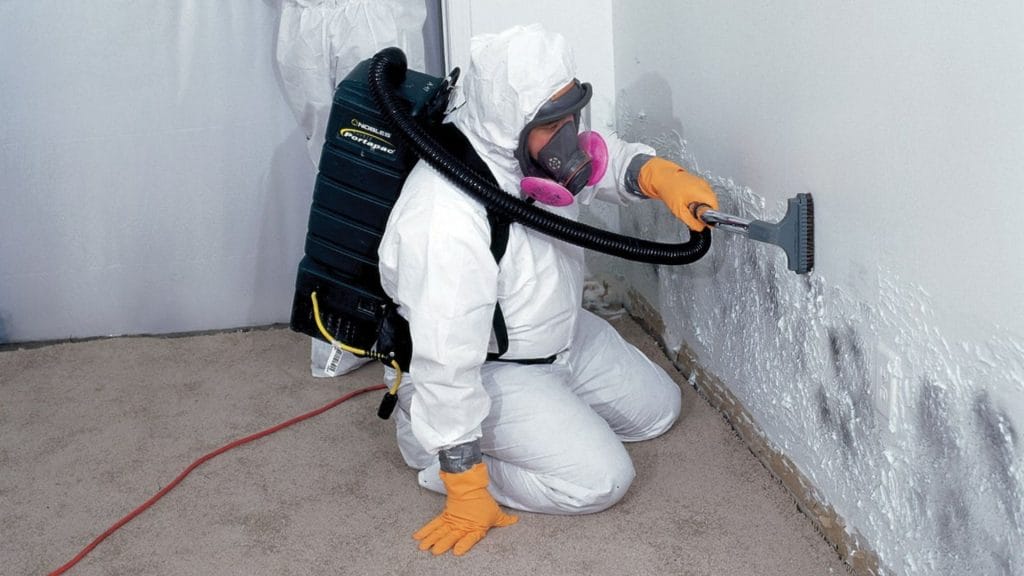
Addressing Mould on Walls Before It Spreads
In high-rise residential and hospitality properties, moisture problems often develop in concealed areas that are rarely inspected. After heavy rainfall, water may enter through facades, roof structures, or window joints and remain trapped within structural cavities. Over time, this hidden dampness may lead to mould growth on walls, ceilings, and other interior surfaces, affecting indoor air quality and the comfort of occupants.
Regular inspections help identify these issues before they escalate. By detecting moisture intrusion early and addressing contamination promptly, property managers can prevent mould from spreading across multiple floors or ventilation systems.
When mould contamination becomes more extensive, specialist restoration expertise may be required. BELFOR supports property operators in complex environments such as hotels, office buildings, and commercial facilities by assessing affected areas and carrying out controlled remediation procedures.
If your property has experienced heavy rainfall, water intrusion, or visible mould growth, an early professional assessment can help contain the problem and protect building occupants. Property managers can contact BELFOR today to learn how structured inspection and restoration services support safe recovery in multi-storey buildings.
