Recovering Offshore Platforms After Fire: Restoring Operations in High-Risk Environments
Key Takeaways
- Fires on offshore platforms can affect areas well beyond the initial burn site, as heat, smoke, and firefighting water spread contamination through interconnected systems.
- Electrical infrastructure, generators, control panels, and automation equipment are highly sensitive to soot residues and thermal exposure, often requiring detailed inspection and specialised decontamination.
- Offshore restoration presents unique logistical challenges, including confined workspaces, controlled access, and strict safety protocols that require careful planning and specialised equipment.
- A structured approach to restoring offshore operations after fire helps reduce downtime, verify system integrity, and support a safe return to normal platform operations.
Restoring Offshore Operations After Fire: What It Takes to Recover Safely at Sea
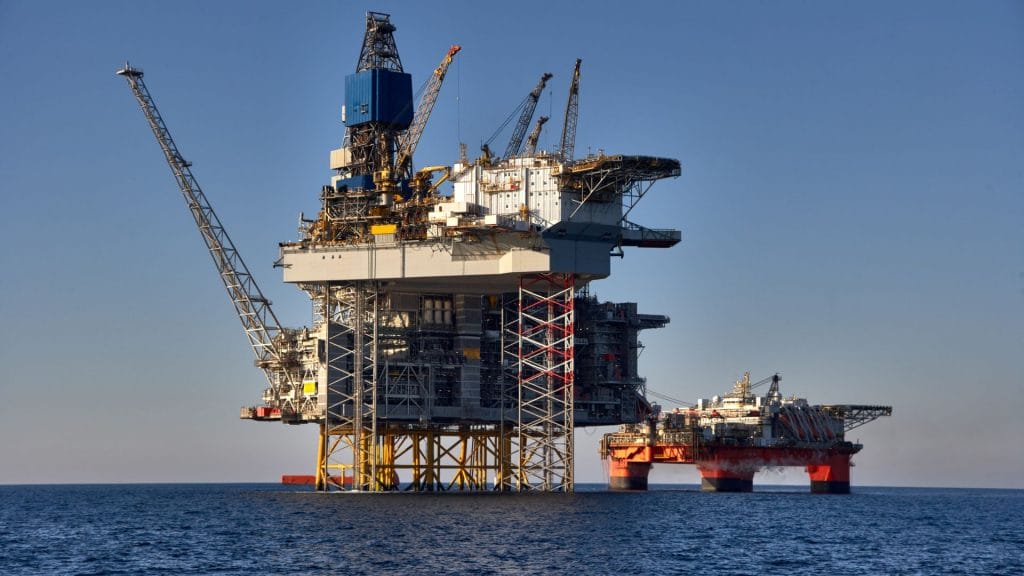
Although fires on offshore platforms are uncommon, their consequences can be significant. Beyond the immediate threat to safety, fire incidents often damage essential systems throughout the facility. Electrical infrastructure, machinery, accommodation areas, and operational control systems can all be affected in ways that are not immediately visible.
Research examining fire hazards associated with offshore oil and gas equipment highlights how complex machinery, fuel systems and confined operational environments can increase the severity of fire incidents on offshore installations. These risks help explain why fire damage on offshore platforms can spread beyond the immediate burn area, affecting equipment and systems across multiple sections of the facility.
Recovering from such incidents requires specialised expertise. Offshore environments introduce additional challenges, including restricted access, confined workspaces, strict safety procedures, and tight operational timelines. Understanding what is involved in restoring offshore operations after fire helps operators appreciate why structured remediation and technical restoration are essential for returning critical systems to safe working conditions.
Damage Extends Beyond the Fire Zone
A fire seldom affects only its point of origin. Heat can travel through structural components, smoke can move through ventilation systems, and water used to extinguish the fire may seep into adjacent compartments and equipment spaces.
Damage, therefore, often extends well beyond the immediate fire zone. For example, control rooms may experience contamination from soot and acidic residues circulating through air systems. Accommodation areas can be affected by smoke infiltration, leaving behind odours and chemical deposits that require specialist treatment. Engine compartments and mechanical spaces may also be exposed to moisture and airborne particulates, which accelerate corrosion.
These secondary effects are particularly significant offshore, where tightly integrated systems operate within confined environments. Even small amounts of residue can migrate through cable trays, ducting, and structural spaces, increasing the risk of long-term equipment issues if left untreated.
Specialist marine cleaning services are often required to address contamination across the entire installation, not just within visibly damaged areas. As part of the broader offshore platform restoration process, recovery teams assess the full extent of exposure to identify hidden risks. Addressing these risks prevents equipment failure or operational disruption.
Critical Systems Are Vulnerable to Residue and Heat
One of the most significant challenges following a platform fire is the impact on sensitive electrical and mechanical systems. Offshore installations rely on complex infrastructure to maintain safe and continuous operations, making these systems particularly vulnerable to contamination and thermal exposure.
Diesel generators, switchboards, automation panels, and communication equipment can all be affected by soot deposits and combustion residues. Smoke particles often contain acidic compounds that settle on metal surfaces and electronic components. Over time, these residues may contribute to corrosion, electrical tracking, or the deterioration of insulation materials.
Heat exposure presents a further concern. Even when flames do not directly reach certain systems, elevated temperatures can affect wiring insulation, electronic circuitry, and protective coatings. Equipment may appear intact after the incident, yet internal damage may only become apparent once systems are placed back under operational load.
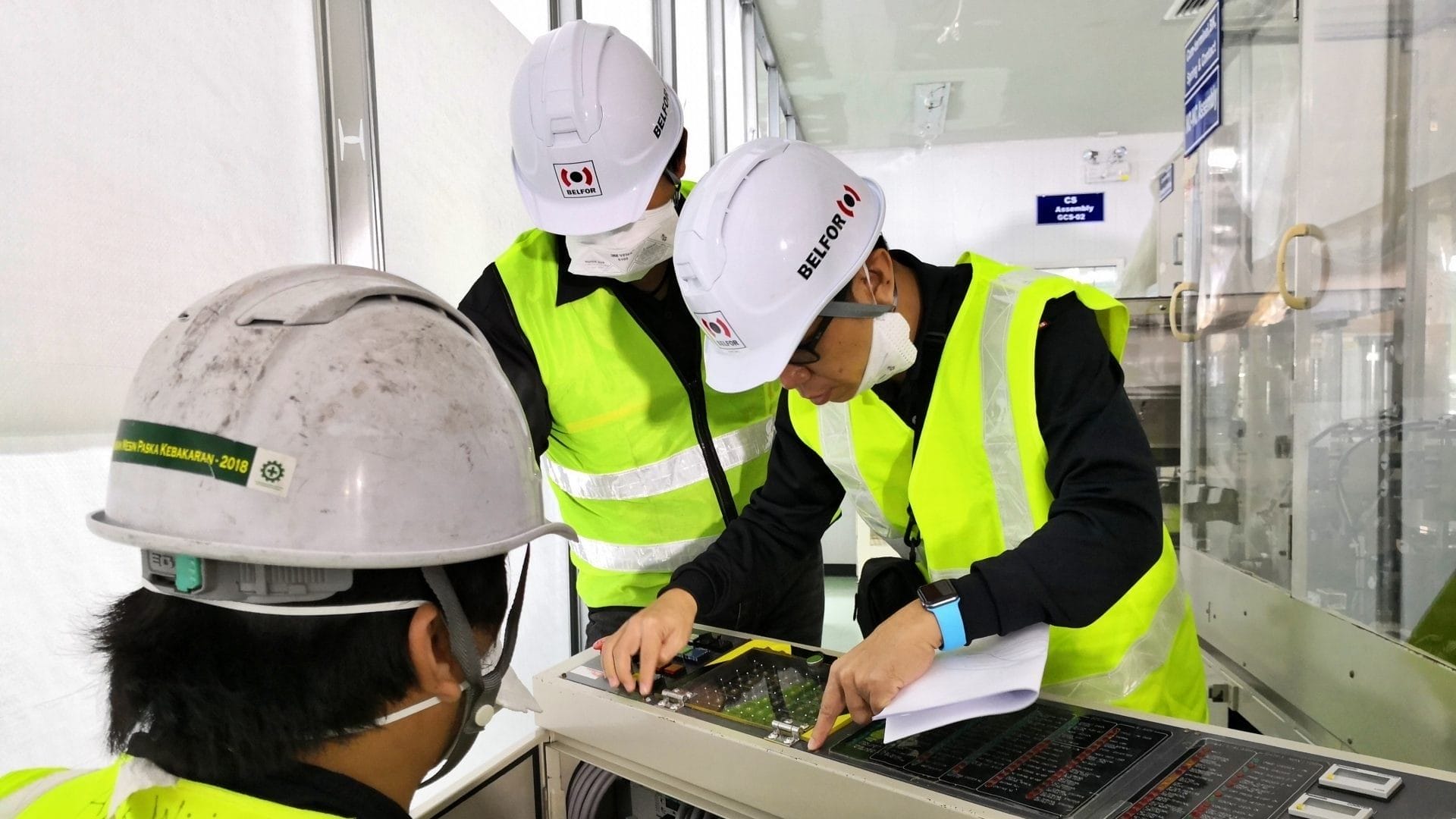
For this reason, recovery teams carry out detailed inspections and technical assessments before restarting critical infrastructure. As part of restoring offshore operations after a fire, specialised fire remediation processes are often used to remove corrosive residues and stabilise sensitive equipment.
Mechanical components may also require reconditioning. Pumps, compressors, and other rotating equipment exposed to smoke or heat may undergo cleaning, lubrication replacement, and alignment checks to help ensure reliable performance when operations resume.
Recovery Is Logistically Challenging Offshore
Restoring an offshore platform presents logistical challenges that differ significantly from those of land-based facilities. Space is limited, transport routes are tightly controlled, and all work must comply with strict marine safety procedures.
Recovery equipment, therefore, needs to be compact and portable, as large restoration machinery commonly used onshore is often impractical in confined offshore environments. Teams rely on specialised tools designed for restricted spaces, enabling technical cleaning, inspection, and remediation work without disrupting surrounding systems.
Access to the platform also influences how restoration activities are planned. Personnel, tools, and replacement components may need to be transported by vessel or helicopter, and weather conditions and operational schedules can further affect when work can safely proceed.
These constraints make coordination essential. Recovery teams typically work alongside platform operators, safety officers, and engineering personnel to ensure that restoration efforts progress efficiently while maintaining operational safety.
Specialised offshore cleaning techniques are often used to manage contamination without introducing additional risks. Portable decontamination equipment, controlled cleaning agents, and structured waste handling procedures help ensure that remediation work aligns with marine safety standards during marine fire recovery operations.
Decontamination Involves More Than Surface Cleaning
Fire recovery in offshore environments involves more than simply removing visible soot. Effective remediation focuses on eliminating microscopic contaminants that can gradually affect equipment performance and system reliability.
Smoke particles and combustion residues can penetrate deeply into surfaces and materials. Electrical cabinets, cable connections, and ventilation systems are especially vulnerable because air circulation can carry contaminants into multiple sections of the platform.
Recovery teams, therefore, use targeted cleaning methods designed to remove residues without damaging sensitive components. Depending on the affected materials, this may involve specialised dry-cleaning techniques, controlled solvent treatments, or precision equipment-cleaning procedures.
Cleaning alone is not sufficient. Critical systems must also undergo functional testing to verify that they operate correctly after remediation. Electrical panels, sensors, control modules and safety devices are typically inspected and tested, while components showing signs of deterioration may be replaced or refurbished as part of the restoration process.
This thorough approach to offshore equipment decontamination helps ensure that systems meet safety and operational requirements before the platform returns to service. Without proper verification, hidden contamination could lead to equipment faults long after the fire incident has been resolved.
Delays Affect Productivity and Crew Readiness
Downtime following an offshore fire can have far-reaching effects on operations, potentially impacting production schedules, maintenance timelines, and regulatory reporting obligations.
Each hour of delay can disrupt operational planning. Crew rotations, safety inspections, and project milestones often depend on tightly coordinated schedules. Extended shutdowns may also increase financial pressures for operators, particularly when production output is interrupted.
Efficient restoration, therefore, plays an important role in maintaining business continuity. A coordinated response helps ensure that damage is assessed quickly, contamination is addressed properly, and systems are returned to service without unnecessary delays.
Rapid recovery also supports crew readiness. When accommodation areas, control rooms, and operational spaces are restored promptly, personnel can safely resume their duties without prolonged disruptions to daily routines.
In this context, effective remediation is not only about repairing damage, but also about stabilising operations and ensuring that offshore facilities can return to their intended role within the wider energy or maritime supply chain.
Restoring Stability After Offshore Platform Fires
Recovering from a fire at sea involves more than repairing visible damage. Heat exposure, smoke contamination, and firefighting residues can affect critical systems across an offshore platform, creating risks that extend beyond the initial incident.
A structured approach to restoring offshore operations after a fire helps ensure that hidden contamination is addressed, equipment is thoroughly tested, and systems return to service safely. With the right technical processes and coordination, offshore facilities can stabilise operations and minimise long-term disruption.
BELFOR supports offshore operators with specialised disaster recovery solutions tailored to complex marine environments. From technical decontamination and equipment restoration to coordinated recovery planning, the team works closely with operators to help offshore facilities return to safe, stable operations.
If your platform has experienced a fire and requires professional recovery support, contact BELFOR today to begin a structured assessment and restoration process.
