Oil Spill Recovery in Industrial Facilities: Restoring Contaminated Systems
Key Takeaways:
- Oil contamination can rapidly affect both visible and hidden infrastructure, including subfloors, ventilation systems, and control panels, making prompt containment critical.
- Electrical and automated systems are highly susceptible to damage from oil exposure, with risks including overheating, insulation failure, and operational faults.
- Effective recovery requires more than surface cleaning, involving deep decontamination, component removal, and the application of neutralising agents to prevent corrosion or system failure.
- Systematic inspection and testing are essential before resuming operations, ensuring all mechanical and electrical components meet safety and performance standards.
Introduction
Oil spills in industrial settings pose immediate risks to operational continuity, safety, and infrastructure integrity. Even minor incidents, such as a hydraulic line failure, tank overflow, or leaking fuel system, can rapidly escalate, contaminating production zones and disrupting automated processes. The consequences extend beyond surface contamination, often affecting electrical systems, machinery, and critical control networks.
This article outlines how oil spreads within industrial environments, identifies systems most susceptible to damage, and explains the technical requirements to restore contaminated systems after an oil spill. A structured, timely recovery process minimises long-term disruption, protects assets, and ensures safe recommissioning.
How Does Oil Spread Through an Industrial Facility So Quickly?
Once oil breaches containment, it rarely stays confined to the visible spill zone. It can seep into cable trenches, accumulate beneath raised floors, penetrate mechanical enclosures, and circulate through ventilation ducts. These pathways allow contamination to reach critical systems far from the initial spill site.
In production-intensive environments, such widespread exposure increases the likelihood of malfunction, safety risks, and costly downtime. A coordinated oil spill response is essential to contain the incident and prevent further spread. To avoid long-term disruption, facilities must act quickly to restore contaminated systems after an oil spill, ensuring that both surface and hidden zones are fully decontaminated before operations resume.
Which Systems Face the Highest Risk of Damage?
Power and automation systems are particularly susceptible to oil exposure. Components such as electrical panels, sensor networks, servo motors, and conveyor mechanisms are engineered for precise, uninterrupted performance. When exposed to oil, these systems face insulation breakdown, overheating, and communication faults between control elements.
In high-output industrial environments, even minor disruptions can cascade into widespread operational failures. To mitigate these risks, effective oil spill management must prioritise assessing and protecting these critical systems at the earliest stage of the recovery process.
Is Surface Cleaning Enough to Resolve the Issue?
Surface cleaning alone is not enough. While it removes visible residues, oil frequently penetrates deeper into concealed areas: behind control panels, beneath raised floors, and inside cable housings. These hidden deposits pose ongoing risks to system performance and safety.
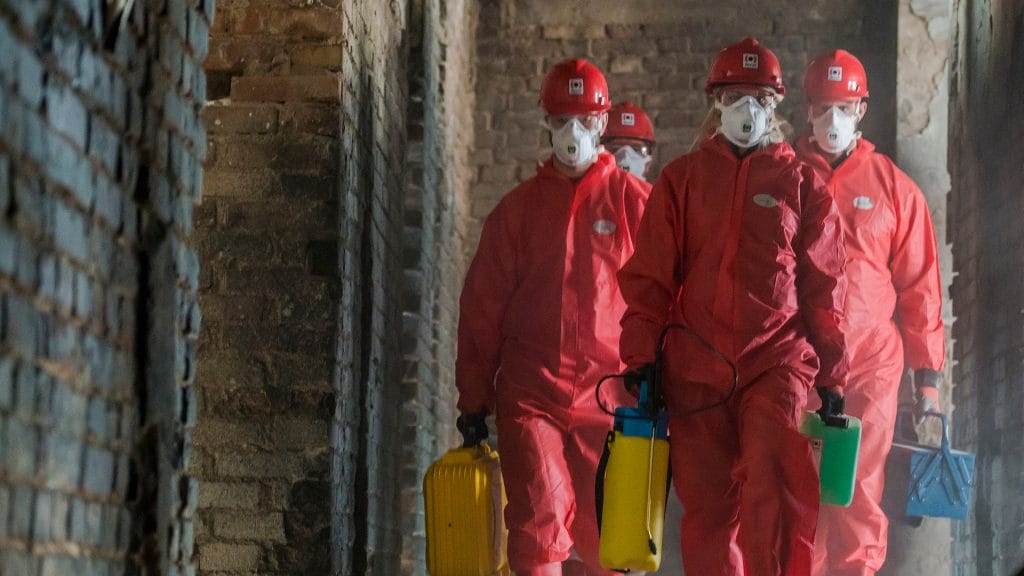
Comprehensive oil spill remediation involves more than wiping down affected surfaces. It requires the use of industrial-grade degreasers, chemical neutralisers, and, where necessary, the removal and replacement of compromised components such as insulation, seals, and wiring.
Without these steps, facilities risk corrosion, electrical faults, and mechanical failures. To fully restore contaminated systems after an oil spill, decontamination must be thorough, targeted, and technically informed.
Why Is It Essential to Inspect and Test Equipment Post-Recovery?
Decontamination is only part of the recovery process. Before operations resume, all affected components, mechanical, electrical, and control systems, must undergo detailed inspection and testing. This includes thermal imaging, electrical resistance checks, and alignment verification to confirm that each system operates within safe and reliable parameters.
Recommissioning without this validation introduces the risk of latent faults and secondary failures. A structured, evidence-based approach is essential to restore contaminated systems after an oil spill and ensure long-term operational integrity.
What Are the Consequences of Delayed Action?
Delaying response to an oil spill significantly increases operational, safety, and regulatory risks. Extended downtime can disrupt output and affect contractual obligations, while unaddressed contamination may lead to enforcement action, particularly in cases involving environmental exposure.
Within the facility, residual oil can create slip hazards, elevate fire risk, and compromise electrical safety. Prompt, structured recovery not only protects personnel and equipment but also reduces liability and supports business continuity, which is critical for organisations that depend on stable, uninterrupted operations.
Recovery Requires More Than Just Cleaning Up
The ability to restore contaminated systems after an oil spill relies on a recovery process that is timely, thorough, and technically precise.
Without this, facilities risk long-term degradation, safety incidents, and extended operational disruption.
BELFOR provides end-to-end oil spill recovery services for commercial and industrial sites across Singapore. Our specialists are equipped to manage complex contamination scenarios, ensuring your systems are restored safely, in compliance with regulations, and with minimal delay.
For a structured, expert-led response, contact BELFOR today.
