The True Cost of Fire Damage: More Than Just Burnt Property
Key Takeaways:
- Fire incidents cause ripple effects that extend far beyond physical damage, including prolonged business disruptions, staff health risks, and operational delays.
- Downtime and revenue loss often exceed initial repair costs, especially in industries where speed and timely delivery are crucial to client retention and contractual obligations.
- Health and environmental hazards are long-term concerns, with airborne toxins and waste materials requiring specialised clean-up to meet safety and regulatory standards.
- Insurance processes can become complex and costly, with delayed payouts and rising premiums adding further pressure to the post-incident recovery process.
Introduction
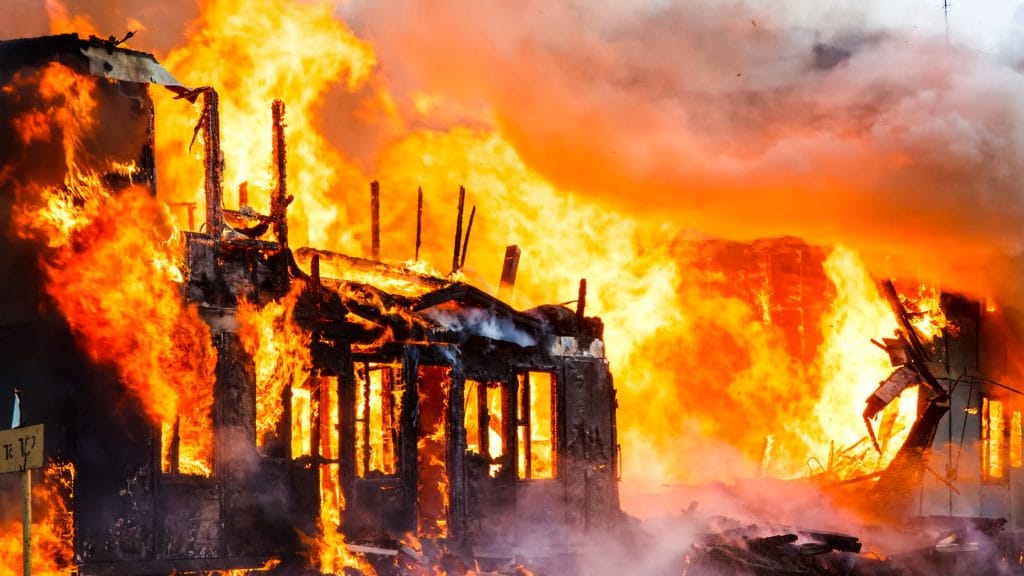
Fire may cause immediate and visible destruction, but for businesses, the real impact often runs much deeper. Once the flames are extinguished and the debris is cleared, many companies face a range of unexpected challenges that threaten both short-term operations and long-term stability.
This article examines the hidden costs of fire damage, which can significantly impact the recovery process. From prolonged downtime and employee health risks to environmental responsibilities and insurance complications, the financial and operational consequences are far more extensive than many realise.
For commercial and industrial businesses in Singapore, understanding these broader implications is crucial to developing a comprehensive recovery plan that extends beyond repairs.
What Are the Immediate Losses Businesses Typically Face After a Fire?
The most immediate and visible impact of a fire is the destruction of physical assets. Equipment, inventory, and building infrastructure are often severely damaged or rendered unusable. In many instances, replacement is complex and costly, especially when it involves specialised machinery or customised systems.
The financial impact extends further when factoring in the resources required for clean-up and restoration. Labour, site management, and logistical coordination can add up quickly.
Insurance may offset some of these costs, but limitations in coverage or delays in processing can hinder timely recovery. As a result, many organisations partner with experienced fire damage restoration companies to conduct structural assessments, initiate site decontamination, and facilitate a quicker return to operational readiness.
How Does Downtime Impact Your Operational Viability?
Downtime after a fire can disrupt far more than daily operations. When business activity stops, revenue loss is immediate, but the longer-term effects can be just as serious. Delays may impact supply chains, damage client relationships, and undermine confidence in your ability to deliver.
These challenges represent a significant part of the hidden costs of fire damage. In sectors where timing is crucial, even brief interruptions can result in contractual penalties, missed targets, and reputational setbacks that are difficult to recover from.
A well-planned fire remediation process helps reduce these risks by restoring access to key areas and enabling a phased return to operations. This approach supports continuity, protects business relationships, and shortens the path to full recovery.
Are There Ongoing Health Risks Even After the Fire is Extinguished?
Health risks often persist long after the flames are extinguished. Smoke, soot, and chemical residues can persist in the environment, particularly when synthetic materials or electronics have been burned. These substances may compromise air quality and contaminate surfaces, creating a hazardous workspace.
Prolonged exposure to such pollutants can lead to respiratory issues, skin irritation, and other long-term health concerns, particularly in enclosed or poorly ventilated areas. These risks are commonly overlooked, yet they pose a serious challenge to safe reoccupation.
To manage this, qualified damage restoration professionals carry out air quality testing, targeted surface cleaning, and final clearance checks. This process ensures that the environment is not only visibly restored but also safe for employees to return and resume operations.
What Environmental Responsibilities Must Be Managed After a Fire?
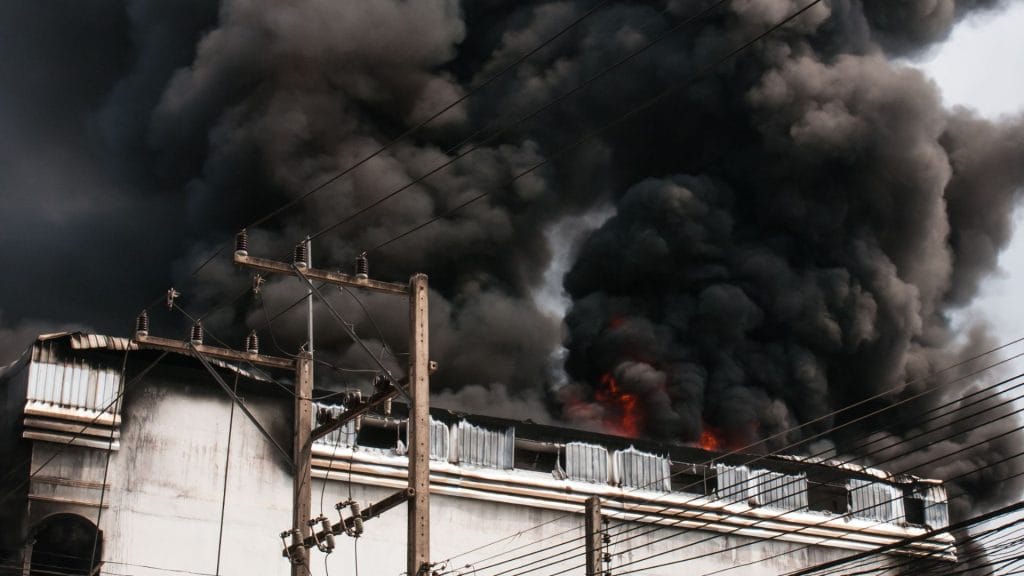
Fire incidents often leave behind hazardous waste, including burnt materials, chemical residues, and contaminated water. These must be handled with care to avoid environmental harm and potential legal consequences.
In Singapore, businesses are required to meet strict regulations for waste management and site decontamination. Lapses in compliance can lead to enforcement action and lasting impacts on a company’s reputation. These environmental obligations are often part of the hidden costs of fire damage. Engaging qualified recovery teams ensures proper handling and supports a compliant, safer return to operations.
Can Insurance Claims Create Unexpected Financial Pressure?
While insurance offers financial protection in theory, the reality is often more complex. Businesses frequently encounter delays due to documentation gaps, differing interpretations of coverage, or disputes over liability. These issues can hinder recovery and add further pressure to internal resources already strained by the incident.
Even when claims are approved, payouts may not fully cover the extent of the losses. Some expenses fall outside policy limits, and in many cases, premiums rise significantly after a claim is made. These additional expenses can strain future budgets and complicate financial planning, particularly for businesses already facing operational challenges.
Uncovering the Full Scope of Fire-Related Losses
The impact of a fire often extends far beyond what can be seen at first glance. Once the site has been cleared, businesses may face a second wave of disruption involving downtime, health and safety concerns, compliance issues, and financial pressure related to claims and recovery.
These are the hidden costs of fire damage that can continue to affect operations well after the clean-up is complete. Companies that identify and address these challenges early are better positioned to manage risks, protect continuity, and return to full productivity more effectively.
Restoration Requires More Than Just Repairs
Effective recovery is not simply about replacing damaged assets. For businesses to return to full operations, the response must also address the broader and less visible consequences that often follow a fire. These include health and safety concerns, regulatory requirements, and the hidden costs of fire damage, which can strain resources and delay progress if left unaddressed.
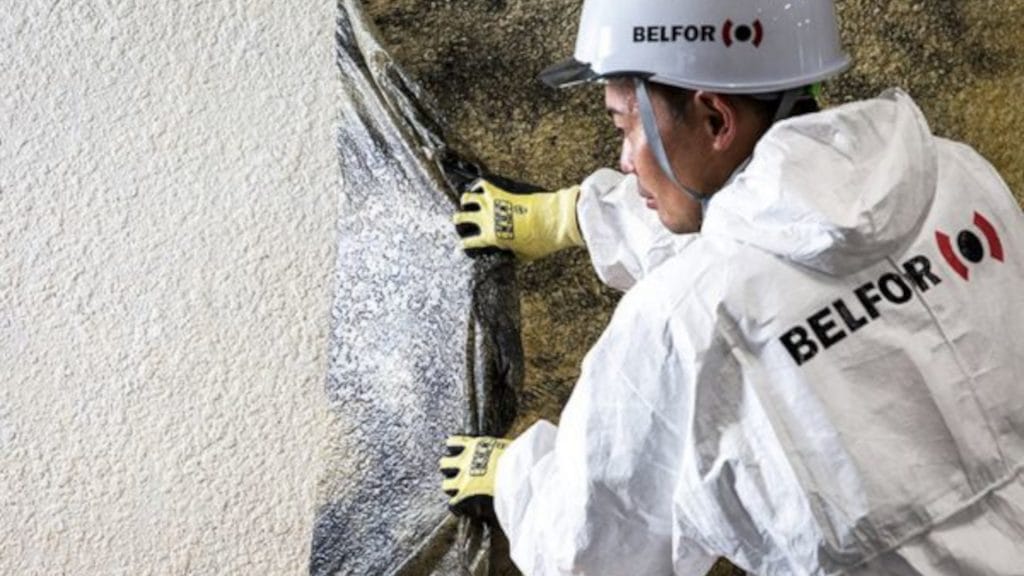
BELFOR delivers tailored recovery solutions for commercial and industrial sectors, with expertise in high-risk and compliance-driven environments. Our services go beyond structural repairs to include environmental decontamination, documentation support, and operational continuity planning.
Contact us today to discover how our recovery specialists can help your business minimise disruption, meet regulatory requirements, and resume operations with confidence.
