Integrating Specialist Recovery Services Into Your Business Continuity Plan
Key Takeaways
- Integrating specialist recovery services into continuity planning ensures physical restoration aligns with operational goals and safety standards.
- Early coordination with recovery providers reduces downtime by enabling faster assessment, containment, and stabilisation after an incident.
- Technical recovery expertise helps protect high-value assets, maintain compliance, and minimise long-term operational risks.
- Partnering with professional recovery teams strengthens organisational confidence and supports smoother insurance and financial processes.
Preparing a Disaster and Recovery Plan That Goes Beyond IT and Communication
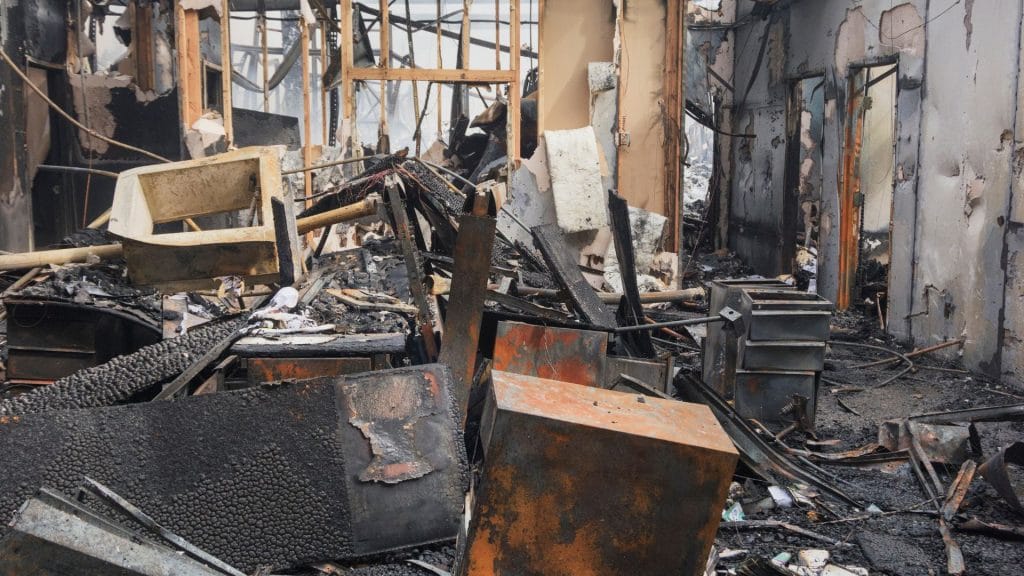
Many organisations dedicate significant effort to business continuity planning, often emphasising data protection, backup systems, and temporary relocation. However, when physical damage occurs through fires, flooding, or a chemical spill, these measures alone are rarely enough to restore full operations.
Physical incidents bring challenges that go beyond coordination or logistics. They require technical recovery expertise to address contamination, repair damaged equipment, and safely stabilise affected environments.
Integrating specialist recovery support into your disaster and recovery plan ensures continuity planning addresses both the digital and physical aspects of recovery. It helps organisations respond more effectively, maintain control during crises, and return to normal operations more quickly and with greater confidence.
Why Physical Damage Needs More Than an Internal Response
An in-house team can often secure the site and address immediate safety risks, but complex contamination or equipment restoration typically requires professional expertise. Recovery specialists bring the technical knowledge, containment tools, and cleaning systems needed to restore environments safely and efficiently.
In industrial facilities, laboratories, and production sites, sensitive systems must be handled with precision to avoid secondary damage or compliance breaches. From repairing critical machinery to working alongside air duct cleaning experts to remove airborne contaminants, trained recovery professionals provide the specialised support necessary to maintain operational integrity and safety following an incident.
How Early Coordination Prevents Costly Delays
Speed plays a decisive role in any emergency recovery planning process. When recovery partners are already part of your framework, expert teams can be deployed immediately after an incident to begin stabilisation.
Early coordination allows for faster assessment, targeted action, and better containment before damage worsens. This proactive approach helps safeguard assets, reduce secondary losses, and maintain the structural integrity of affected systems. By integrating recovery measures into your disaster and recovery plan, businesses can achieve a smoother, more efficient path to restoration and minimise operational disruption.
Protecting High-Value Infrastructure Through Specialist Recovery
Facilities such as cleanrooms, control rooms, data centres, and production lines demand more than routine cleaning after an incident. These environments require precise recovery methods to protect operational integrity and maintain compliance with industry standards.
Engaging professionals experienced in post-incident restoration ensures that sensitive equipment and technical systems are handled correctly from the outset. This level of expertise helps minimise downtime, preserve production quality, and uphold safety across high-value infrastructure, allowing operations to resume efficiently and with confidence.
Why Planning for Recovery Enhances Cost Predictability and Insurance Response
Clear documentation and defined procedures are vital during any crisis. When recovery workflows are established as part of your business continuity planning, insurance processes become more straightforward, with claims resolved more efficiently and less room for dispute.
Structured recovery plans help clarify the scope of work, enable accurate cost projections, and reduce financial uncertainty during disruption. Incorporating technical recovery support into your disaster and recovery plan also improves resource allocation, helping businesses manage costs effectively and restore operations more quickly and with greater control.
A Reliable Recovery Partner Strengthens Business Confidence
Confidence in a crisis comes from knowing that professional support is within reach. Having access to trained recovery specialists reinforces internal planning frameworks and empowers management teams to respond quickly and effectively.
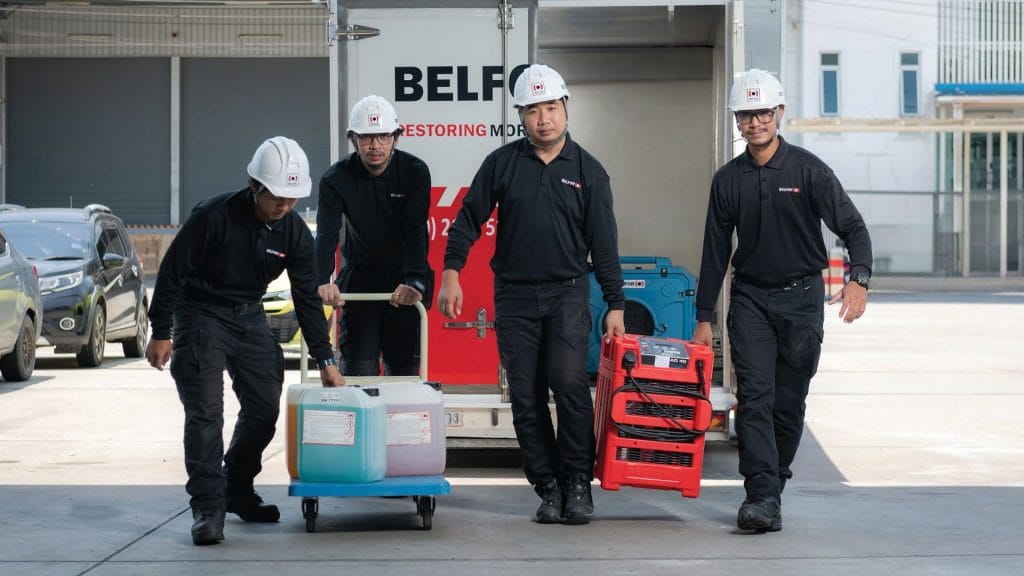
Partnering with a provider such as BELFOR ensures that when incidents occur, from flooding in engine rooms to complex spill decontamination, your organisation can immediately draw on the technical expertise required to stabilise, recover, and maintain operational continuity. This partnership helps minimise downtime, protect assets, and sustain business performance during critical moments.
Conclusion: Build a Continuity Plan That Restores More Than Operations
A resilient disaster and recovery plan should extend beyond IT systems and communication frameworks. It must also address the technical requirements for restoring physical environments, protecting critical infrastructure, and restarting production efficiently.
Partnering with experienced recovery specialists helps organisations strengthen preparedness, safeguard asset value, and shorten the time needed to return to full operation after disruption.
BELFOR offers integrated recovery solutions designed for industrial, commercial, and specialised facilities. Our teams combine technical recovery support with proven decontamination expertise to help businesses restore operations safely, effectively, and with minimal interruption.
Contact us today to learn how our solutions can strengthen your recovery planning and overall business resilience.
