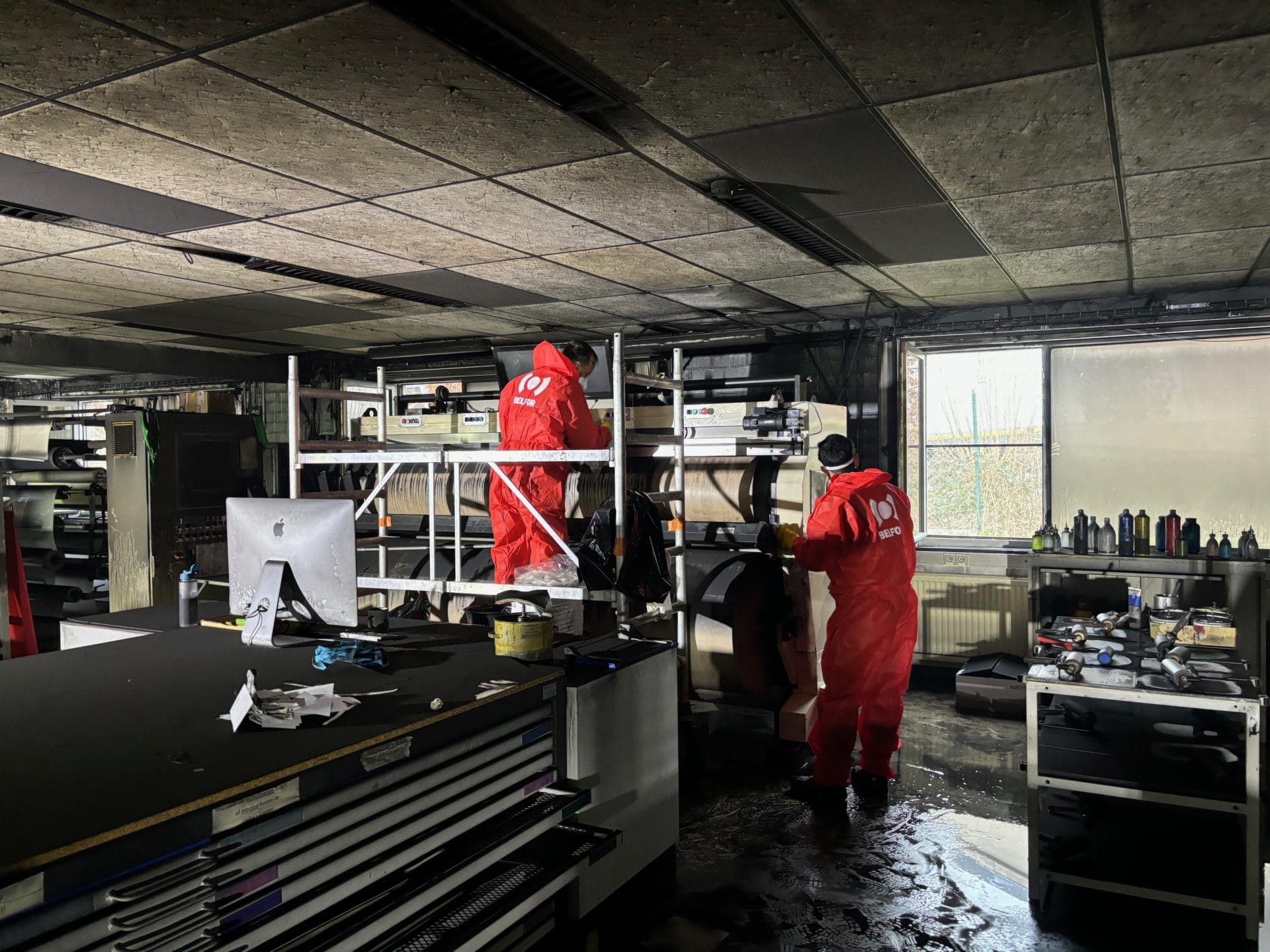
Factory & Industrial Facility Restoration Cost & Construction FAQ
When planning restoration work for a factory or industrial facility, the most common questions are: “How much will it cost?”, “How long will it take?”, and “What is included in the scope of work?” Here are answers to some of the questions we hear most often on site.

💰 Estimates & Costs
A. The cost is calculated based on the scope of work, labor requirements, materials, construction methods, and project duration. BELFOR Korea provides more than a total price—we provide a detailed breakdown explaining what each cost covers and why it is required.
Even when two projects appear similar, costs can vary depending on the restoration scope and construction methods. An accurate estimate can therefore be prepared after an on-site assessment.
A. Differences in price usually reflect differences in the scope of work, construction methods, materials, labor requirements, and safety management. Two estimates may appear to cover the same project while actually including different levels of work.
BELFOR Korea provides a transparent cost breakdown and explains why each item is required. A lower total price may not necessarily represent better value if essential work has been excluded from the scope. When comparing restoration estimates, review the detailed scope and individual cost items—not just the total price.
⏱️ Project Duration & Site Response
A. The timeline depends on the size of the project and the scope of restoration. Because downtime is particularly important for factories and industrial facilities, BELFOR Korea plans work schedules around the client’s production requirements whenever possible.
By coordinating multiple workstreams in parallel where site conditions allow, we aim to shorten the overall restoration period and help clients resume business and production as quickly as possible.
A. In some cases, yes. If production needs to continue, BELFOR Korea assesses how the restoration work can be planned to minimize disruption to ongoing operations.
Depending on site conditions, this may include separating restoration and production zones or scheduling work during nighttime or non-operating hours.
Dedicated team members can also remain on site to maintain close communication with the client and respond quickly to changing conditions. Effective on-site coordination can help reduce delays and minimize business and production interruption.
A. BELFOR Korea operates a 24-hour emergency response system. Once contacted, our team can mobilize to assess the site and begin initial measures to help prevent further damage.
Rapid initial response can be important in limiting the progression of contamination or deterioration and preserving restoration options.

🏭 Industry Expertise
A. Yes. Specialized facilities such as semiconductor facilities, research laboratories, and precision manufacturing sites require expertise in sensitive equipment and specialized operating environments.
BELFOR Korea applies restoration processes appropriate to the characteristics of each facility, drawing on experience in precision equipment restoration and specialized facility projects.
For these environments, relevant restoration experience and the ability to respond to technical requirements are particularly important.
A. Yes. Restoration requirements vary significantly by industry. Semiconductor facilities and laboratories may require strict contamination control, food manufacturing facilities may have specific hygiene requirements, while automotive parts manufacturers may place particular emphasis on minimizing production downtime.
BELFOR Korea adjusts the restoration scope and methods according to the facility, affected assets, and operational requirements of each industry.
✅ Choosing a Restoration Contractor
A. Start with three areas: relevant project experience, estimate transparency, and on-site response capability.
First, check whether the contractor has completed restoration projects at facilities similar to yours. Actual case studies are more useful than simply being told that a company “can do it.”
Second, review the estimate carefully and make sure the contractor can explain why each cost and scope item is required.
Third, consider the company’s ability to mobilize, communicate, and take responsibility on site. BELFOR Korea demonstrates these capabilities through completed projects, detailed estimates, and its record of on-site response.
A. BELFOR Korea demonstrates its capabilities through completed projects, site photographs, and documented project experience. Relevant ISO certifications also provide additional information on the management systems applied to our operations.
BELFOR’s global restoration experience and processes are also applied to projects in Korea.
A. Depending on the project, BELFOR Korea can provide documentation to support the restoration process, including incident assessment reports and technical information supporting restoration-versus-replacement decisions.
Following an incident, we support clients with relevant documentation throughout the process of restoring affected facilities and operations.