Fire Emergency Response FAQ
What should you do after a fire? Here are the most important steps to take immediately following a fire.
A. Evacuate to a safe location and call 119, Korea’s emergency services. Once the fire has been extinguished and it is safe to do so, electrical and gas supplies should be shut off. It is also important to contact a professional fire damage restoration company as quickly as possible before soot and other contaminants spread further.
Q. How much does fire damage restoration cost?
A. Fire damage restoration costs vary depending on the size of the affected building, the assets involved, and the type and extent of damage.
BELFOR Korea uses professional assessment equipment to determine the scope of damage and identify which assets can be restored and which need to be replaced. Based on this assessment, an appropriate restoration scope and cost can be determined.
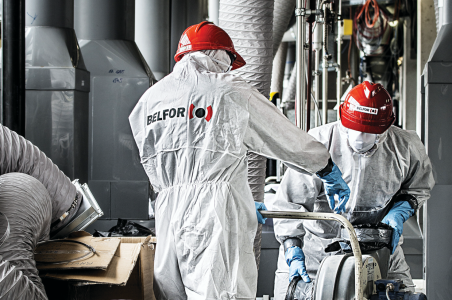
A. Professional fire damage cleaning is recommended. Fire soot can contain hazardous residues, and using ordinary cleaning products or techniques may cause contaminants to penetrate deeper into materials or spread across a larger area. Working without appropriate personal protective equipment may also expose you to harmful substances.
Professional fire restoration requires specialized cleaning agents, equipment, and appropriate safety procedures. BELFOR Korea uses specialized restoration products and equipment to safely remove soot and fire-related contaminants.
A. Restoration should begin as soon as the site has been declared safe. Corrosive residues from fire and soot can continue to damage metals, electrical equipment, and other assets over time. The longer the initial response is delayed, the greater the risk that restorable assets may eventually need to be replaced.
Once the necessary safety checks have been completed, having the site assessed promptly by a professional fire restoration company is one of the most important steps in minimizing further damage.
BELFOR Korea responds rapidly following notification and begins with immediate loss mitigation measures to help prevent secondary damage.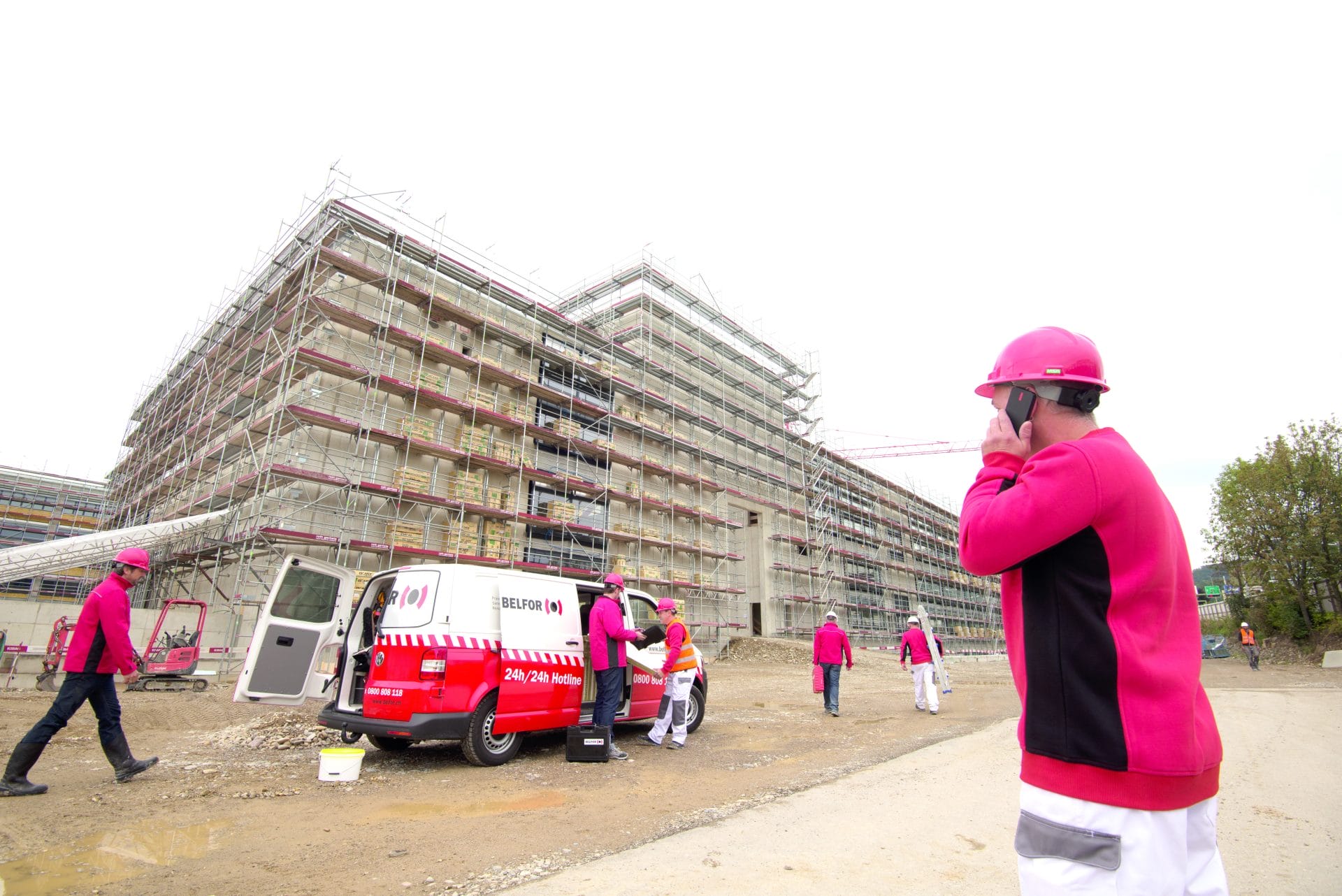
A. Fire damage can become more severe over time if it is left untreated. Soot and fire-related residues can penetrate walls, furniture, and other materials, while corrosive contaminants may continue to damage metal surfaces and electrical or electronic equipment.
Assets that could initially have been restored may eventually require replacement, increasing both restoration costs and recovery time.
A prompt professional assessment after a fire can therefore help reduce secondary damage and unnecessary replacement costs. BELFOR Korea provides 24/7 emergency response nationwide to help contain and mitigate damage at an early stage.
A. Do not re-enter a fire-damaged property until it has been confirmed safe. Structural damage, hazardous residues or gases, and electrical hazards may still be present after the fire has been extinguished.
Wait until the relevant fire or safety authorities have confirmed that the site can be entered. If you need to retrieve essential belongings after access has been permitted, appropriate protective equipment such as a mask and gloves should be worn.
BELFOR Korea begins the restoration process with a site and safety assessment before restoration work proceeds.
A. Electrical and gas supplies should remain shut off until they have been inspected and confirmed safe by qualified professionals.
Fire may damage electrical wiring, insulation, gas lines, or related systems, creating a risk of electric shock, electrical fires, or gas leaks if they are used again without inspection.
Electrical and gas systems should therefore be inspected by qualified professionals before being returned to service. BELFOR Korea provides ONE-STOP restoration services that can include the restoration of electrical and communication systems.