Fire Damage Restoration FAQ
What is the right way to restore a property after a fire?
From soot and smoke odor removal to precision equipment restoration, here are answers to some of the most frequently asked questions about fire damage restoration.
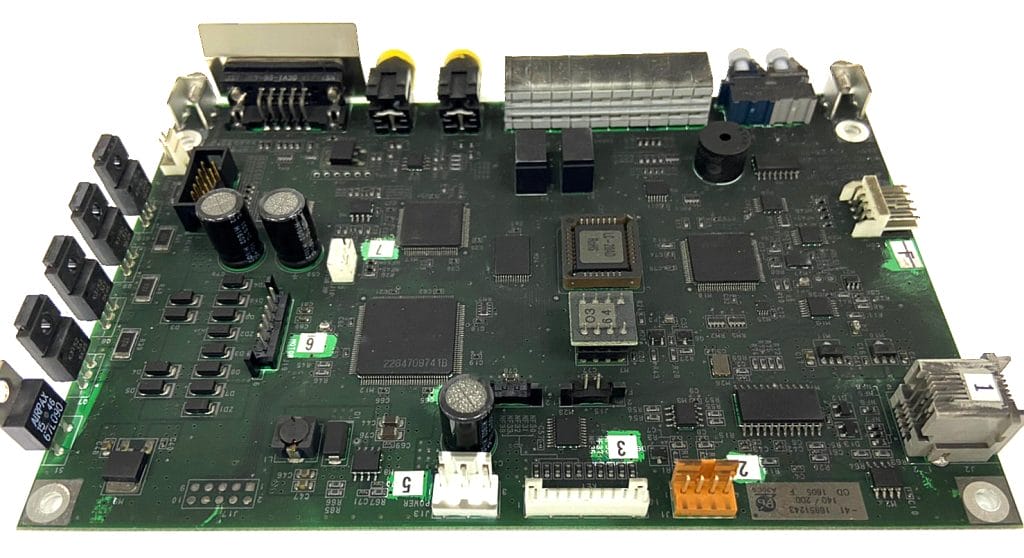
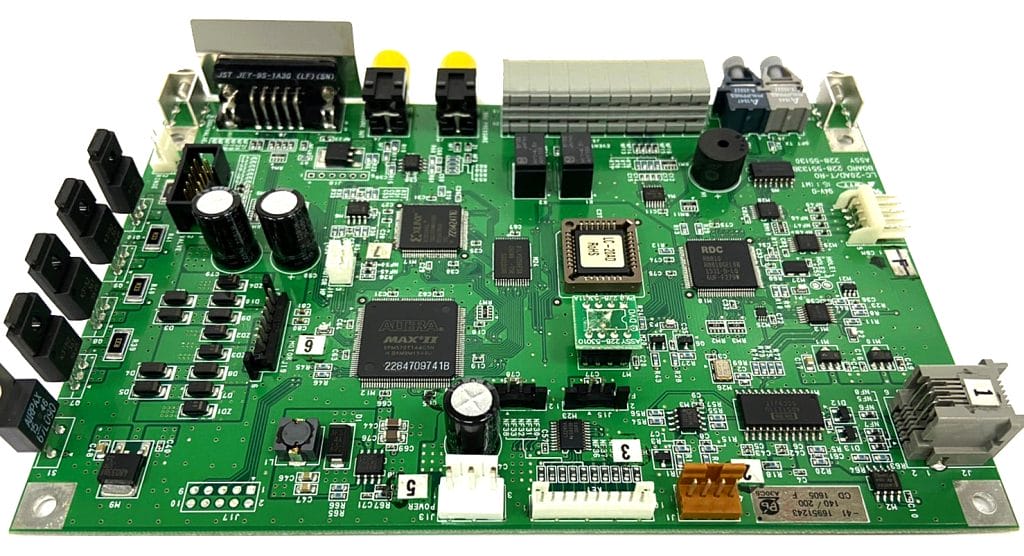
Fire Damage Restoration: Before & After
A. Fire damage cleaning requires specialized cleaning agents, equipment, and restoration techniques. Fire soot can contain toxic and corrosive residues. Using ordinary household cleaners may cause contaminants to penetrate deeper into surfaces or spread to unaffected areas.
BELFOR Korea analyzes the type of contamination and affected materials to select appropriate specialized cleaning agents and safely remove fire-related contaminants using established restoration procedures.
Q. How is soot removed after a fire?
A. Fire damage cleaning requires specialized cleaning agents, equipment, and restoration techniques. Fire soot can contain toxic and corrosive residues. Using ordinary household cleaners may cause contaminants to penetrate deeper into surfaces or spread to unaffected areas.
Complete fire damage restoration also requires more than removing visible soot. Smoke odors and microscopic residues can penetrate walls, furniture, and other materials and must also be properly treated.
BELFOR Korea analyzes the type of contamination and affected materials to select appropriate specialized cleaning agents and safely remove fire-related contaminants using established restoration procedures.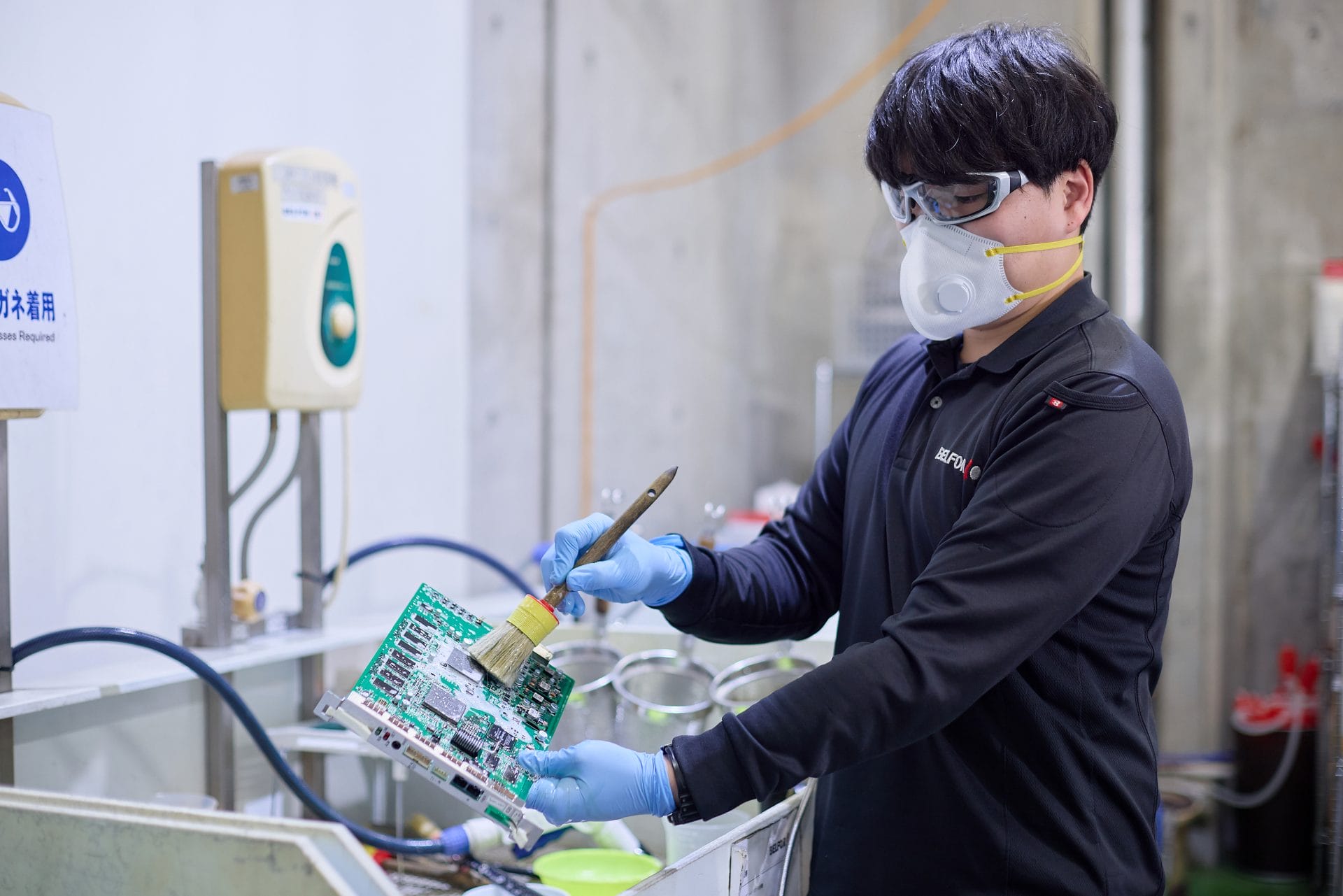
A. Ventilation and air fresheners alone cannot fully remove fire-related odors. Smoke particles can penetrate wallpaper, ceilings, furniture, and other materials, meaning odors may return if only the surface is treated.
The source of the contamination must first be removed, followed by a professional deodorization process designed to break down the odor-causing particles themselves.
BELFOR Korea combines contamination removal with professional deodorization to address fire-related odors at their source.
A. A persistent smoke odor may indicate that the source of contamination has not been completely removed.
Even after visible soot has been cleaned, odor-causing particles may remain behind walls, above ceilings, or within insulation. In these cases, affected areas may need to be opened so that hidden contamination can be identified and removed.
BELFOR Korea identifies the source of persistent odors and addresses the underlying contamination rather than treating only the visible surfaces.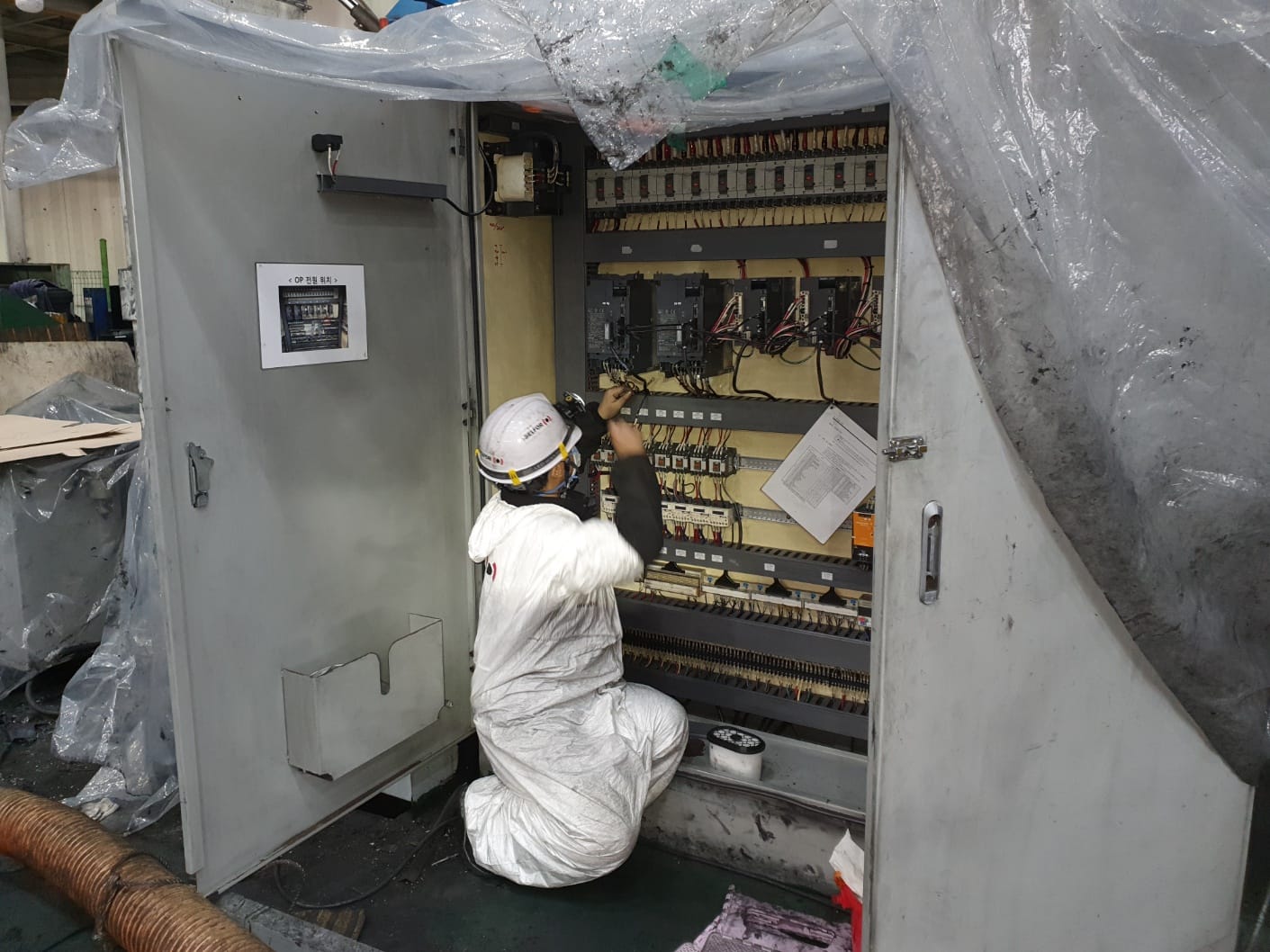
A. Ozone deodorization is a professional odor treatment that uses the oxidizing properties of ozone to break down odor-causing compounds.
Unlike air fresheners that simply mask odors, ozone treatment chemically reacts with odor molecules and can therefore be effective in treating fire and smoke odors.
However, ozone can be harmful to people, so treatment must be carried out by trained professionals in an unoccupied and appropriately controlled area.
BELFOR Korea combines contamination removal with professional deodorization methods to safely address residual fire odors.
However, ozone can be harmful to people, so treatment must be carried out by trained professionals in an unoccupied and appropriately controlled area.
BELFOR Korea combines contamination removal with professional deodorization methods to safely address residual fire odors.
Q. Can fire-damaged furniture and appliances be restored, or do they need to be replaced?
A. Many fire-damaged items may be restorable. Even when furniture or equipment appears to require disposal, professional removal of soot and odors may make reuse possible.
For high-value appliances and precision equipment in particular, assessing restoration feasibility before automatically replacing them can provide significant economic benefits.
However, corrosion can progress over time and make restoration increasingly difficult, so early assessment is important.
BELFOR Korea assesses individual assets to determine which items can be restored and which should be replaced.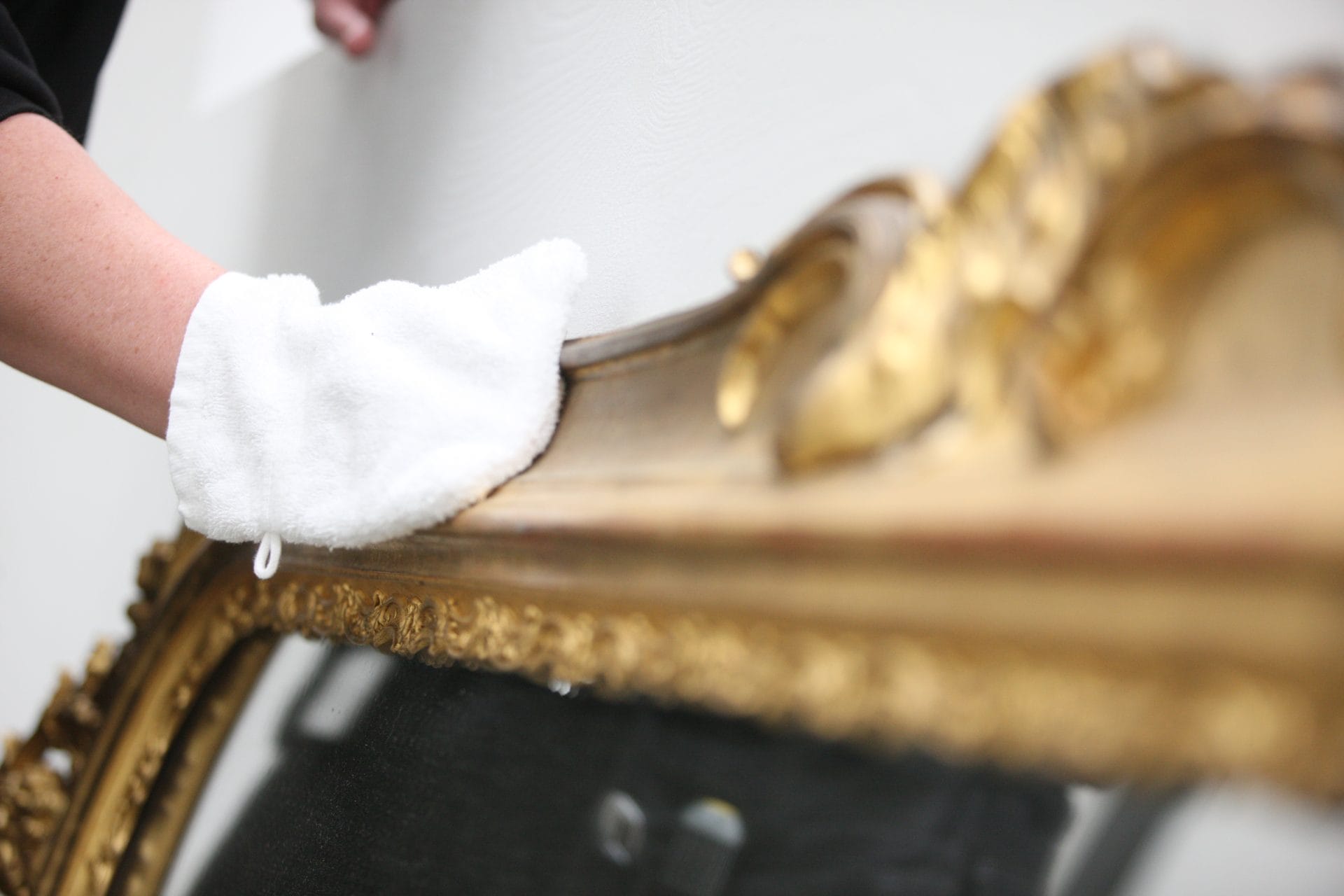
However, corrosion can progress over time and make restoration increasingly difficult, so early assessment is important.
BELFOR Korea assesses individual assets to determine which items can be restored and which should be replaced.
Q. What are the steps in the fire damage restoration process?
A. BELFOR Korea follows a structured four-step processfor industrial fire damage restoration.
① Site Assessment and Damage EvaluationThe team first determines whether the site can be safely accessed. In addition to visually identifiable contamination, specialized equipment is used to quantitatively assess the extent of damage. Ambient temperature and humidity are also checked.
② Emergency Response and Damage MitigationCorrosion can progress rapidly after a fire, making early intervention critical. Within this initial response window, BELFOR Korea isolates contaminants and carries out measures such as pre-cleaning and neutralization, dehumidification and drying, and equipment protection to help prevent secondary damage.
③ Precision Cleaning and RestorationBefore equipment is disassembled, the disassembly sequence is documented. The restoration then proceeds step by step through disassembly, cleaning, neutralization, drying, inspection, reassembly, and functional testing.
④ Verification and HandoverAfter restoration, ionic contamination levels are measured again to verify that the required criteria have been met. The restoration process and results are documented before the restored assets are handed back to the customer.
BELFOR Korea performs these processes according to standardized procedures and checklists and maintains documentation of the work performed.
A. BELFOR Korea takes a systematic, documented approach to restoration.
Disassembly sequences are recorded, contamination levels are measured, and pre- and post-restoration results are compared. Rather than relying solely on visual judgment, BELFOR Korea uses measurable data and documented procedures to manage the restoration process.
Following reassembly, functional testing is conducted to verify the performance of restored equipment, and the restoration process is documented from assessment through completion.
This systematic approach is particularly important when restoring sophisticated industrial machinery, electrical and electronic equipment, and other high-value assets.