Innovative Soot Removal Significantly Reduces Downtime at Glassworks After Fire
Case study from the archive
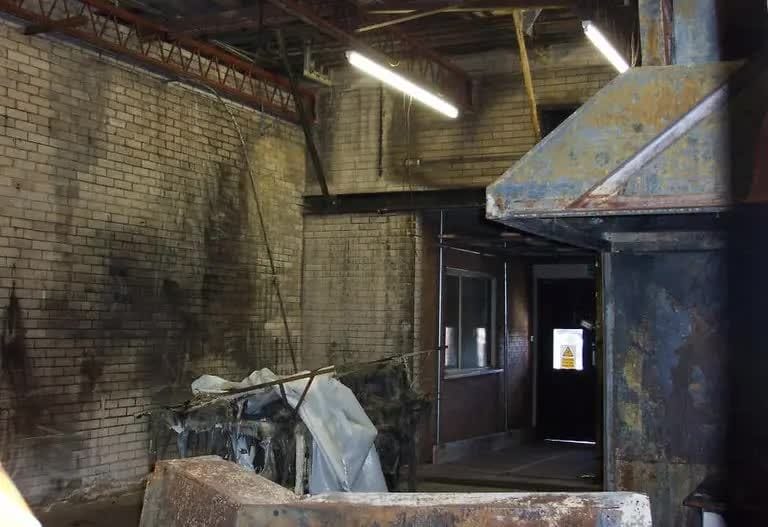
After a fire in a Barloworld Scientific glassworks factory, BELFOR was able to significantly reduce production downtime by using an innovative soot removal method. This approach enabled fast, thorough cleaning of sensitive surfaces without dismantling equipment—allowing operations to resume much sooner.
Challenge: Soot Contaminates Sensitive Production Environment
Following the fire, soot spread across large parts of the production area. In a glassworks facility, even fine contamination is a serious issue.
Soot particles can damage machinery and directly affect product quality. Without fast and effective cleaning, the risk of prolonged downtime is high.
Objective: Restart Production Quickly and Safely
The primary goal was to minimize downtime while ensuring a complete and safe restoration of all affected areas.
Conventional cleaning methods would have taken significantly longer and, in some cases, required dismantling equipment—leading to additional delays.
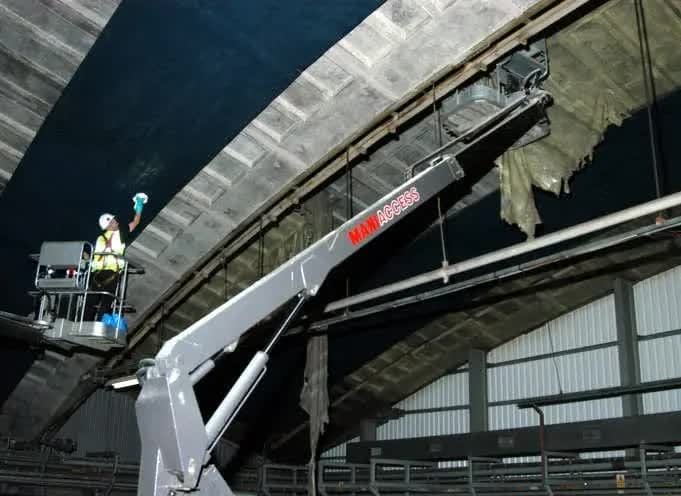
Solution: Innovative Soot Removal Without Mechanical Impact
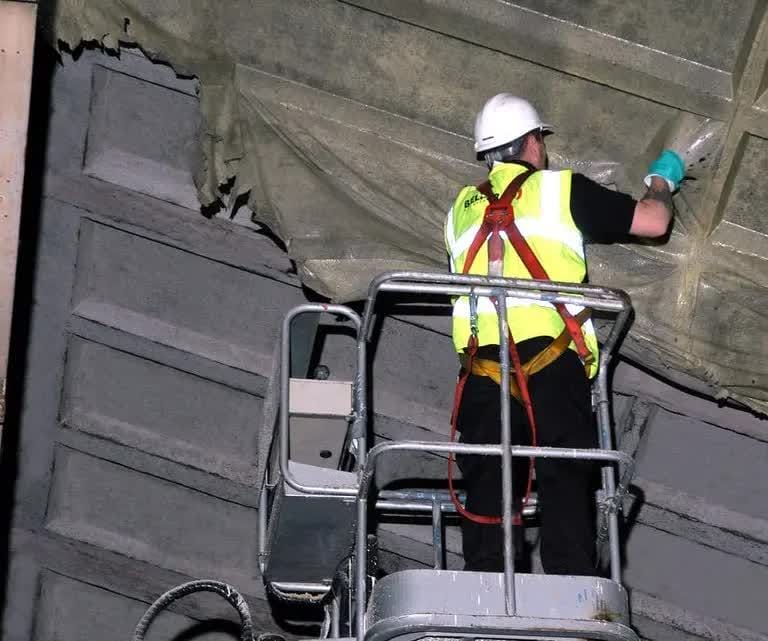
BELFOR applied a specialized cleaning technology using a peelable film. This film is applied to the contaminated surfaces, where it binds soot particles as it dries.
Once cured, the film is removed—taking the soot contamination with it. This eliminates the need for abrasive cleaning or aggressive chemicals.
The method is particularly effective for large areas and delicate surfaces typically found in industrial environments.
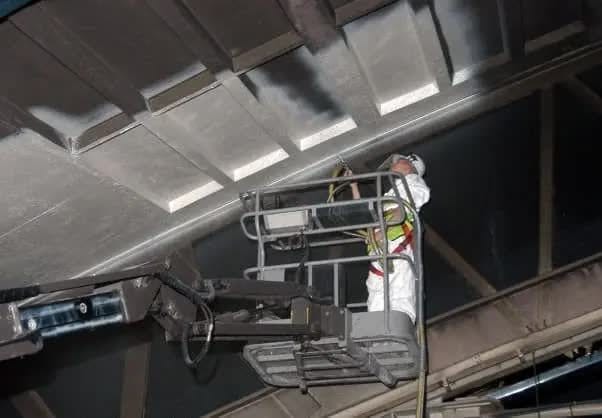
Result: Faster Recovery and Reduced Business Interruption
By using this targeted approach, the cleaning process was completed much faster than with traditional methods.
The glassworks facility was able to resume production significantly earlier, avoiding extended downtime. At the same time, the integrity of machinery and equipment was preserved, preventing additional repair costs.
Mike Bratt, General Manager at Barloworld Scientific praised BELFOR ‘s work:
“The response from BELFOR was consistently professional and toan exceptional standard. Their involvement, from management meetings to the training and supervision of our staff, was always outstanding. BELFOR worked around our requirements, with no disruption to our operations, and were instrumental in the speed in which our factory production could resume full operations.”
Conclusion: The Right Method Makes the Difference
This case demonstrates that choosing the right restoration method after a fire is critical.
Fast response and specialized technologies can significantly reduce downtime, control costs, and ensure a safe and efficient return to normal operations.


