The rising risk of warm-weather incidents

As a restoration partner, we’re used to seeing winter dominate the claims conversation: think frozen pipes, prolonged rainfall, and widespread storms. Those seasonal patterns have shaped the way insurers plan capacity and how restoration teams prepare for surge events.
Spring and summer losses behave differently. They’re sharper, more localised, and far more sensitive to delays, but no less serious. Without the build‑up or visibility of a winter storm, warm‑weather incidents can escalate quickly and catch insurers and policyholders off guard.
From our vantage point, three warm‑weather risk patterns are now standing out with each requiring fast, informed decision‑making and early stabilisation.
Flash flooding
Short, intense rainfall after dry spells is becoming a defining feature of UK summers. When the ground is hardened, water has nowhere to go. It moves fast – into basements, plant rooms, retail units and ground‑floor commercial spaces.
The challenge is not just the initial ingress but the speed of secondary damage. Warm, humid conditions accelerate mould growth, corrosion and material breakdown far more quickly than in winter.
Early stabilisation is essential in these situations and requires removing standing water, controlling humidity and preventing deterioration before it takes hold. Increasingly, environmental monitoring and remote moisture data support faster triage, helping insurers identify where conditions are worsening and where resources should be directed first.
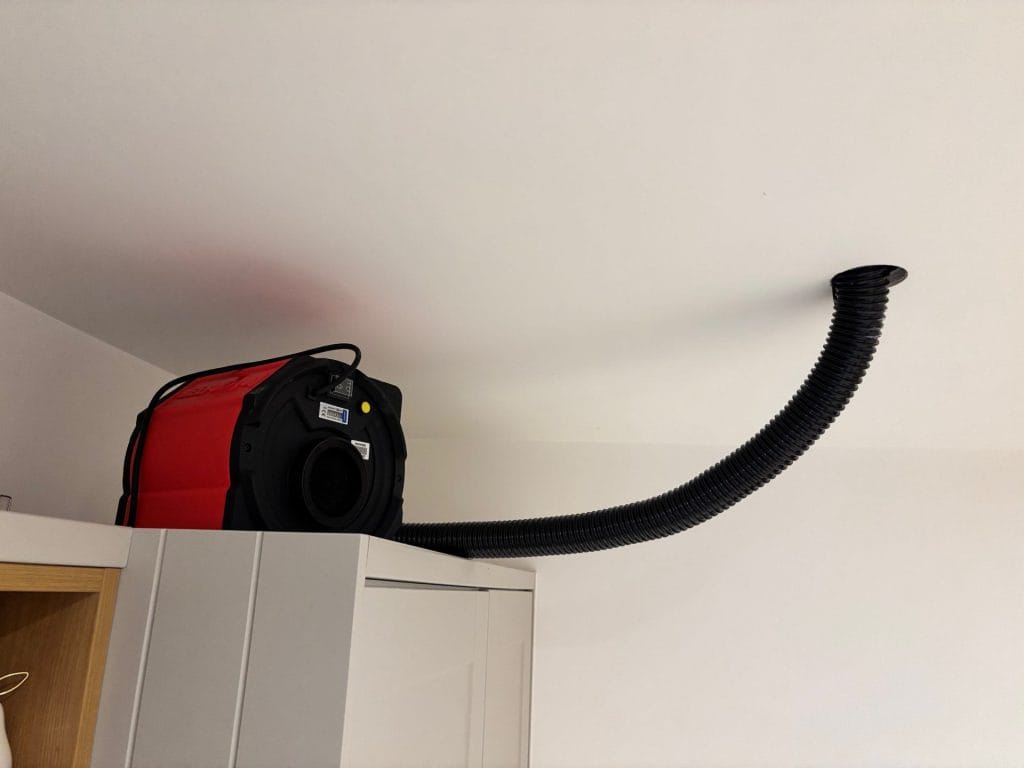
Specialist drying equipment also plays a role. Compact condenser dryers and targeted adsorption units help accelerate drying in the crucial early hours. At BELFOR UK, our own CD20 and AD10 units were designed with this kind of rapid stabilisation in mind, offering precise humidity control and efficient targeted drying without disrupting operations.
Hyper‑local storm cells
Convective storms can form and dissipate within an hour, hitting one postcode with hail, lightning or violent downpours while leaving the next completely untouched. These events create concentrated pockets of demand where insurers need rapid visibility and restoration teams must coordinate multiple visits efficiently.
In these specific weather conditions, typical callouts include:
- lightning‑affected electrical systems
- hail‑damaged roofs
- sudden water ingress from short, intense rainfall
In such cases, clear, real‑time information is key. Digital reporting and centralised oversight help insurers prioritise the most affected areas quickly, reducing wasted journeys and ensuring stabilisation happens in the right order.
Flexibility also matters. When several properties in a tight radius are affected, teams need to be re-allocated to affected areas. The teams need equipment that can be deployed quickly and configured for different layouts. Purpose‑built drying units with adaptable airflow and compact footprints help support this kind of rapid, efficient response without slowing down site coordination.
Humidity‑driven deterioration
Warm, moist air is one of the biggest accelerators of property damage, especially in buildings that are closed, poorly ventilated or only partially occupied. Schools heading into summer holidays, hybrid‑use offices, vacant commercial units and fire‑affected properties are particularly vulnerable.
Mould can begin forming within 24 to 48 hours. Corrosion of metals and electronics progresses faster in humid environments, especially after fire incidents where acidic residues are present. Heatwaves also put strain on plant rooms, HVAC systems and electrical infrastructure.
Continuous environmental monitoring is increasingly important. Early alerts allow intervention before deterioration becomes visible, reducing the scope of reinstatement and preventing avoidable strip‑out.
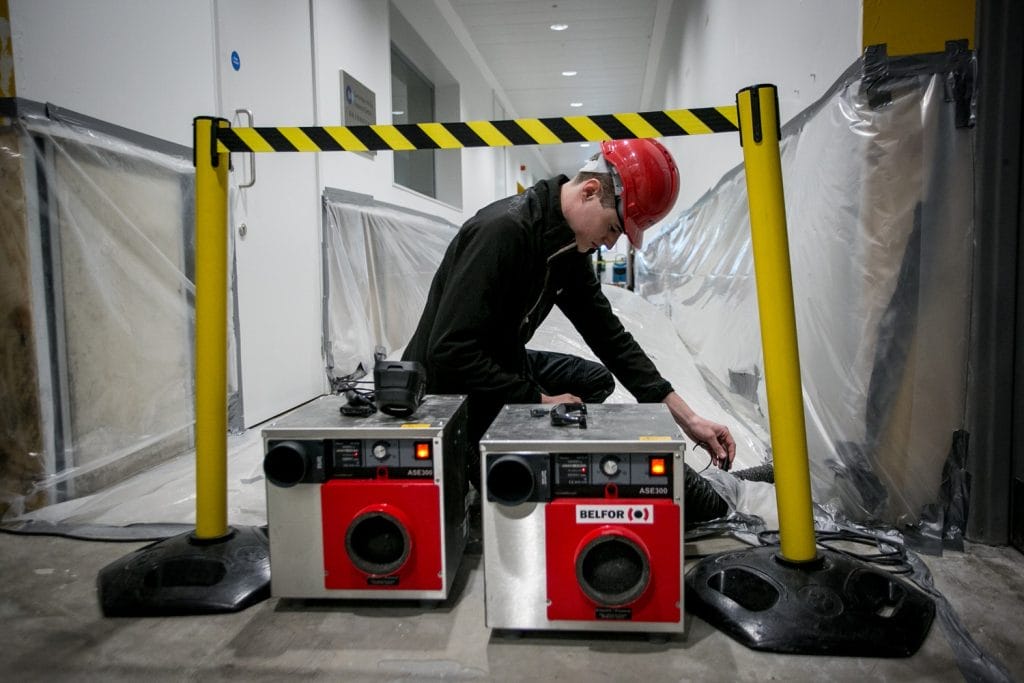
Remote monitoring systems, such as AI‑enabled units that track humidity, optimise energy use and notify when drying is complete, support this early intervention. BELFOR’s DRYSmart technology is one example of how remote oversight can keep conditions stable, reduce unnecessary site visits and maintain control during prolonged warm periods.
Warm‑weather losses often create short, sharp spikes in demand, with several properties affected at once and deterioration setting in quickly. Early insight and coordinated action help keep these situations under control and prevent avoidable damage.
These incidents may not dominate headlines, but their speed makes them increasingly important to manage well. With the right tools, clear information and strong partnerships, they can be stabilised quickly and confidently.
At BELFOR UK, we’ll keep investing in smarter, faster ways to help people get back to normal with minimal disruption. And when warm‑weather events trigger sudden surges, we have the reach and flexibility to respond quickly and confidently.


