ChosunBiz Interview – Seongho Bin, Executive Director of BELFOR Korea Construction
Disaster Restoration: Identifying Hidden Damage
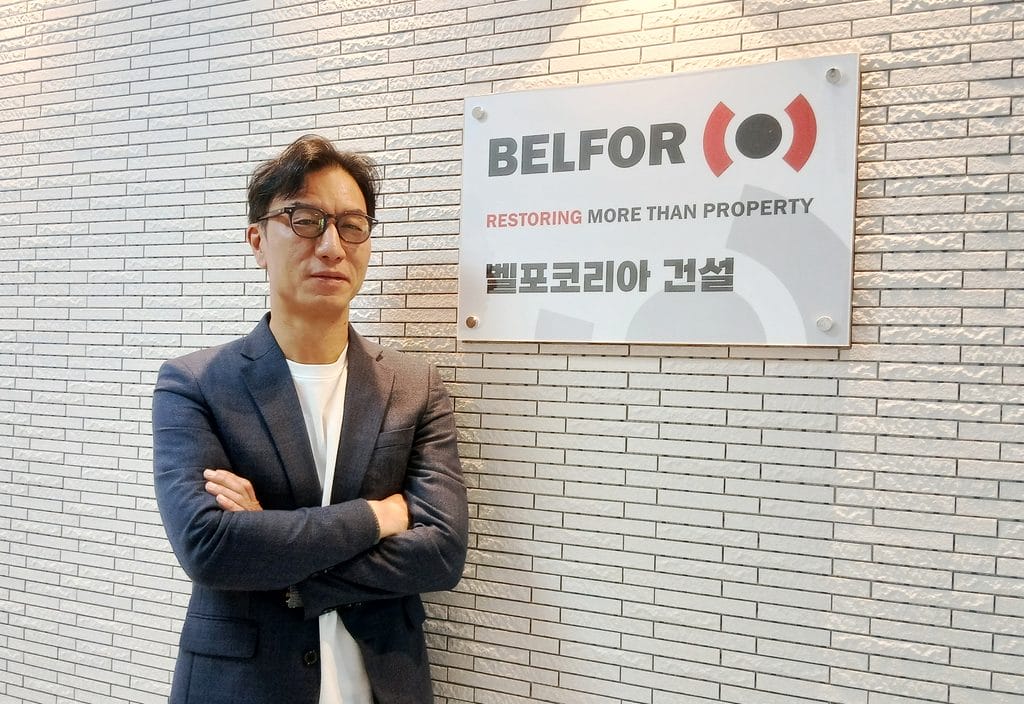
On November 23, 2026, ChosunBiz, a Korean business news outlet, published an interview with Seongho Bin, Executive Director of BELFOR Korea Construction. The interview highlighted key considerations when restoring buildings and equipment following fire and water damage, as well as the importance of effective on-site management in bringing damaged facilities back into operation as quickly as possible.
Disaster Restoration: Identifying Hidden Damage
Even after a fire has been extinguished or floodwater has receded, the full extent of damage to a building may not be immediately visible. Smoke and soot can spread beyond the area directly affected by fire, while water damage can extend to surrounding spaces and equipment.
During the interview, Mr. Bin emphasized the importance of understanding how different types of disasters affect buildings and facilities, and identifying hidden damage beyond the visibly affected areas.
Why Restoration Schedules Matter
Disaster restoration projects involve multiple interconnected activities, including demolition, waste disposal, equipment restoration, and finishing work. A delay in one stage can affect the overall restoration schedule. For businesses whose operations have been interrupted, longer restoration periods can also lead to greater financial losses.
BELFOR Korea Construction manages restoration activities through dedicated project managers (PMs) and supports coordination with insurers, loss adjusters, and other stakeholders to help damaged facilities return to normal operations as quickly as possible.
For more details, read the full interview on ChosunBiz.
▶ Read the Full ChosunBiz Interview
Source: ChosunBiz | Reporter Jung Min-gi | November 23, 2026
Article Title: BELFOR Korea Construction: “Identifying Hidden Damage and Managing Restoration Processes Are Key to Disaster Recovery”