Battery Testing Facility Fire Restoration Case Study
A fire occurred in the battery testing area of an electrical and energy research facility in Korea, exposing battery charge/discharge equipment, environmental test chambers, and various research and testing systems to soot and firefighting water.
Following the fire, some equipment was considered difficult to restore due to direct heat damage and corrosion. However, many assets were assessed as having restoration potential through rapid cleaning, drying, and detailed inspection.
From the initial response, BELFOR Korea quickly assessed the condition of the affected equipment and implemented damage mitigation measures to reduce further damage and corrosion. Equipment with restoration potential was then identified for precision cleaning and specialized restoration, while the building and equipment were progressively returned to operational condition.
Project Overview
- Industry: Electrical & Energy Research Facility / Battery Testing Facility
- Incident Type: Fire During Battery Testing
- Primary Damage: Soot Contamination, Heat Damage, Firefighting Water Exposure, and Corrosion
- Primary Restoration Scope: Battery Charge/Discharge Equipment, Environmental Test Chambers, Research & Testing Equipment, Electrical & Electronic Equipment, and Building Structures
- Project Objective: Mitigate Further Damage and Rapidly Restore Recoverable Equipment
- Project Duration: Approximately 3 Months
Preventing Further Corrosion Through Dehumidification
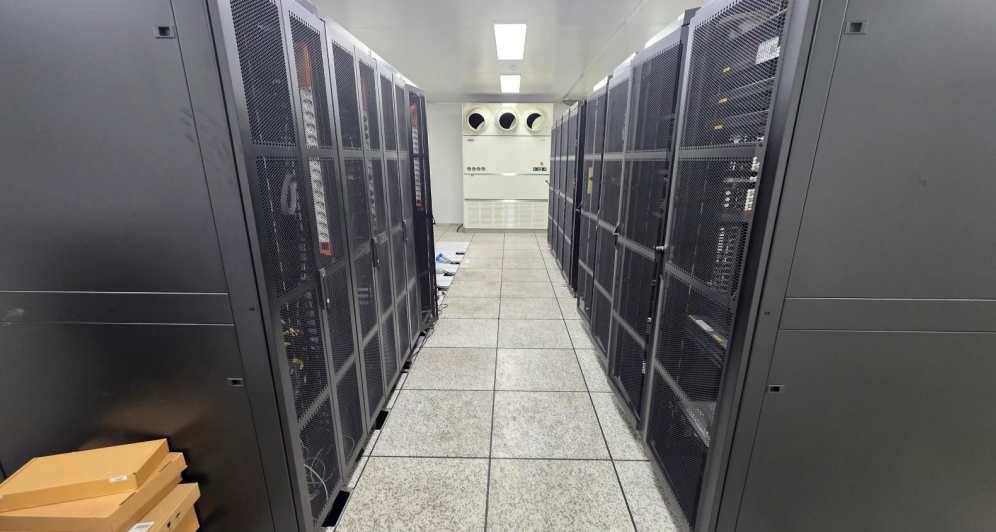
One of the most important initial response measures in this project was controlling humidity through a dedicated dehumidification room to help prevent further corrosion.After a fire, equipment can be affected not only by soot but also by firefighting water and elevated humidity. Electrical, electronic, and testing equipment is particularly vulnerable when moisture remains present, as corrosion can develop rapidly on metal parts and internal components. The site assessment confirmed that corrosion was already developing on some battery charge/discharge equipment due to exposure to firefighting water and residual moisture.
BELFOR Korea operated a dedicated dehumidification room and continuously controlled humidity levels to quickly stabilize equipment with restoration potential. This reduced further exposure to moisture and helped prevent corrosion from progressing while restoration work was underway.
These dehumidification measures were essential to protect restorable equipment from further corrosion and minimize secondary damage.
Rapidly Identifying Equipment with Restoration Potential
Not all fire-damaged equipment can be treated in the same way. Some equipment was considered difficult to restore due to direct heat damage and severe corrosion, while other battery charge/discharge equipment, chambers, and testing systems were considered restorable because, although exposed to soot and firefighting water, they had not sustained significant direct heat damage.
BELFOR Korea specialists rapidly assessed and categorized each piece of equipment based on the following factors:
- Direct heat damage
- Level of soot and fire residue contamination
- Exposure to firefighting water
- Extent of corrosion
- Internal contamination of electrical and electronic components
- Whether the equipment can be inspected after cleaning and drying
Based on this assessment, restoration priorities were established so that equipment identified as restorable could be addressed as quickly as possible.
Step-by-Step Restoration of Testing and Production Equipment
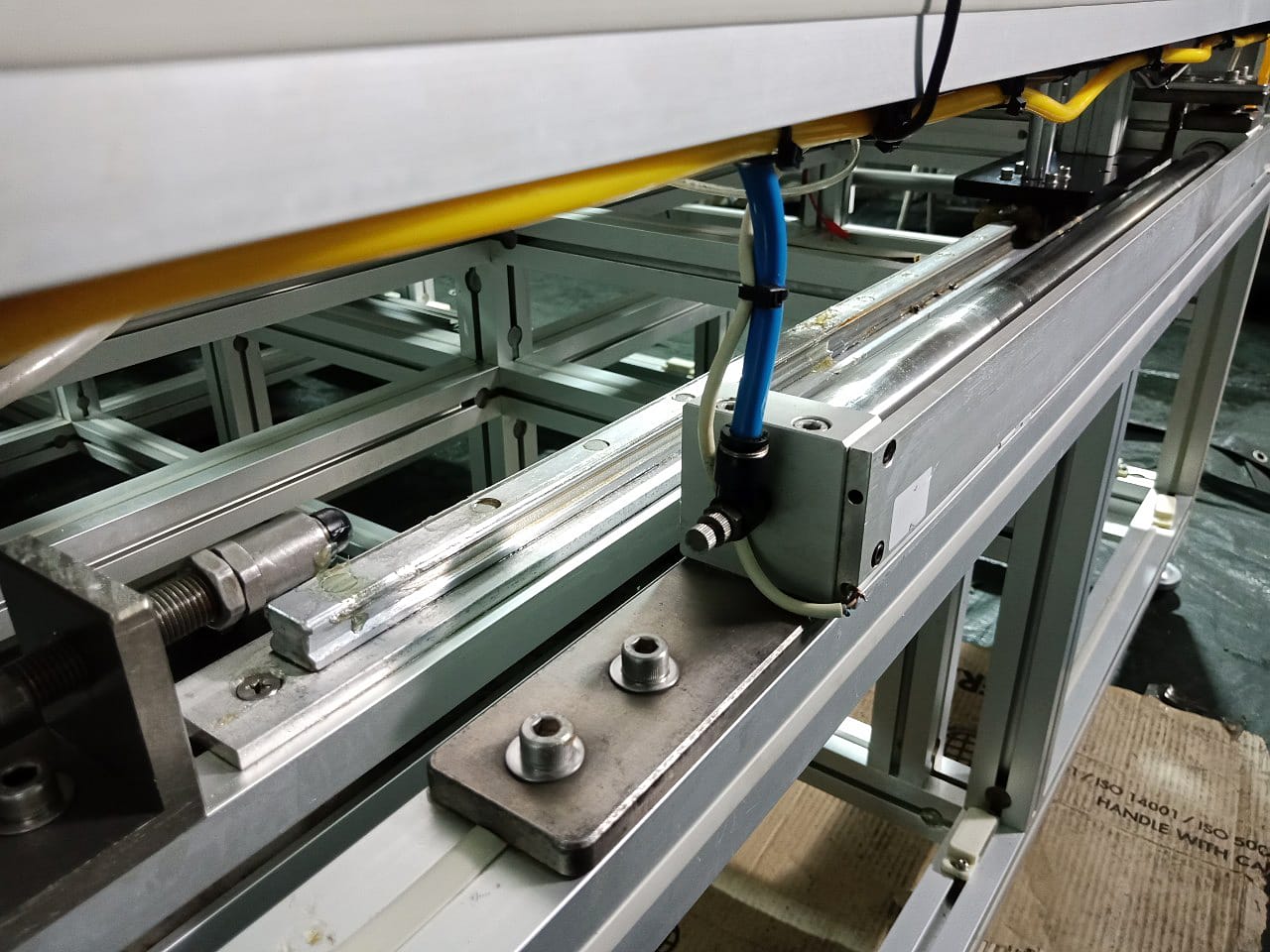
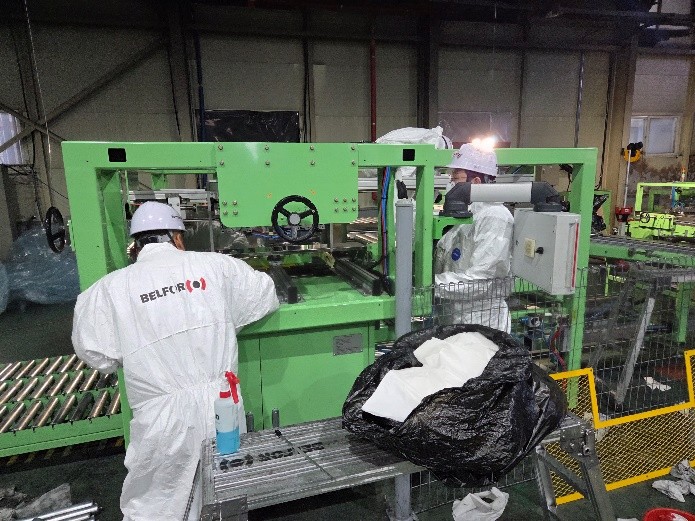
The facility contained a wide range of electrical, electronic, and testing equipment. During the damage assessment, fire soot contamination was identified on various assets, including battery charge/discharge equipment, environmental test chambers, and redox flow battery testing systems. Before restoration began, each piece of equipment was assessed based on its design and level of contamination to determine the appropriate procedures, including cleaning, drying, and specialized decontamination.
Simultaneous Restoration of the Building and Equipment
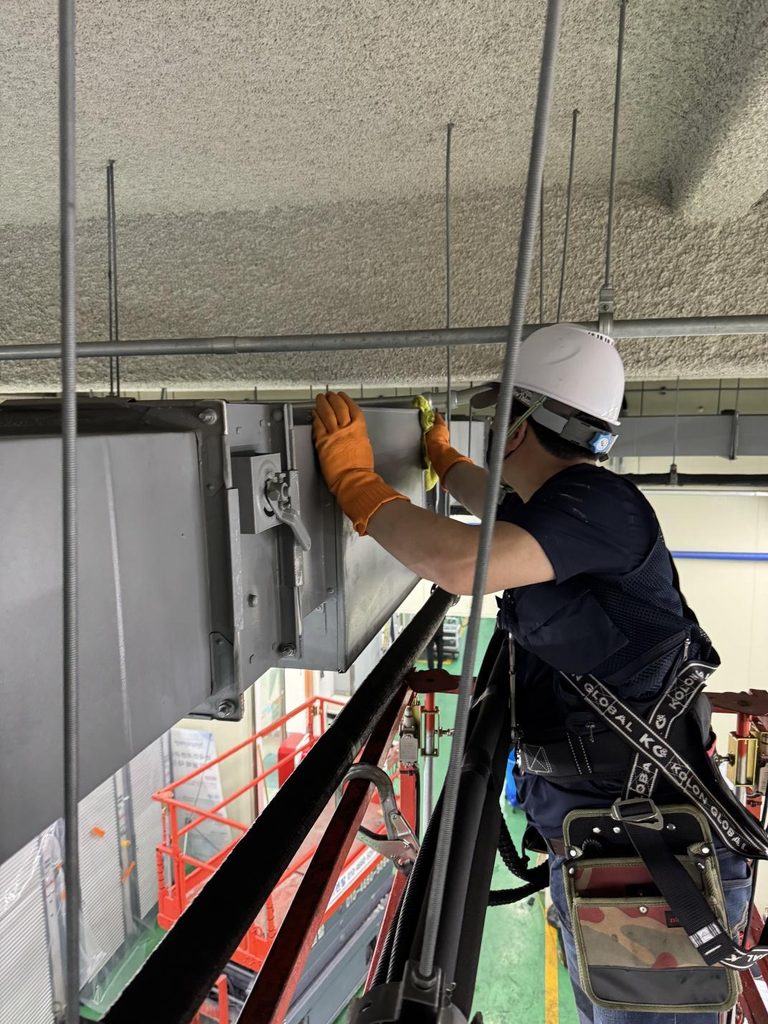
The fire affected more than just the equipment. Soot contamination was also found on the building and associated structures, including ceilings, walls, piping, and cranes. BELFOR Korea restored these affected areas alongside the equipment. By managing the building and equipment restoration as one integrated restoration project, the team was able to progressively restore the entire work environment—not just individual assets—and quickly establish suitable conditions for equipment to be returned to use.
Restoration Results
- Reduced the risk of further corrosion through early dehumidification
A dedicated dehumidification room was operated and humidity levels were controlled to reduce the risk of further corrosion caused by firefighting water and elevated humidity. - Rapidly stabilized equipment with restoration potential
Each piece of equipment was assessed for restoration based on heat damage, soot contamination, exposure to firefighting water, and corrosion. Restoration priorities were then established accordingly. - Restored battery testing equipment and electrical/electronic systems
Specialized cleaning, drying, and restoration were performed on battery charge/discharge equipment, environmental test chambers, electrical and electronic equipment, and other research and testing systems. - Removed contamination from both equipment and building structures
Fire soot contamination was removed not only from testing equipment but also from ceilings, beams, cable trays, piping, walls, and other building structures. - Returned selected equipment to operation
According to the project completion report, several restored assets—including thermal chambers, foam application equipment, and heating and cooling units—were returned to actual use following restoration.