From Large Buildings to Precision Equipment, BELFOR Restores What Matters.
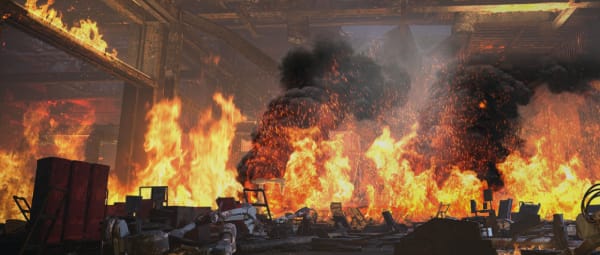
“Who can restore a site like this—and how?”
It is often the first question people ask when they see the aftermath of a major incident. The larger the damage and the more valuable the affected assets, the more complex the restoration becomes.
That is when businesses turn to BELFOR.
In this article, we highlight three disaster restoration projects completed by BELFOR Korea: a large commercial facility damaged by fire, an entire building affected by severe flooding, and precision testing equipment contaminated by soot.
Each project required more than technical restoration expertise. They demanded the people, equipment, project management capabilities, and experience to manage complex restoration work at scale. These cases demonstrate why BELFOR is a global leader in disaster restoration.
CASE 1 | How Do You Restore a Large Commercial Facility After a Fire?
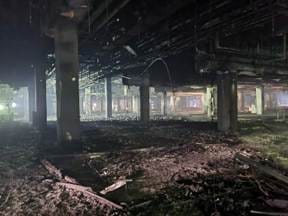
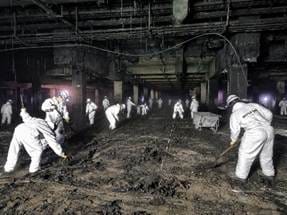
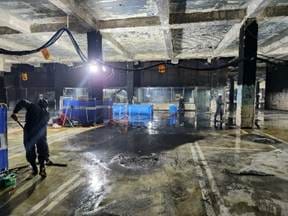
A major fire occurred at a large outlet complex. The facility consisted of two basement levels and seven above-ground floors, with a total floor area of approximately 130,000 m². It housed around 280 retail stores, a 100-room hotel, a convention center, and a cinema. The underground parking area where the fire occurred alone covered approximately 35,000 m².
Given the scale of the facility, the fire damage was extensive.
BELFOR mobilized thousands of man-days of restoration specialists, heavy machinery, and specialized restoration equipment. Dedicated teams worked simultaneously across multiple disciplines, including demolition, building restoration, fire damage cleaning, decontamination, and soot removal.
At the same time, BELFOR carried out precision restoration of high-value critical equipment, including electrical switchgear and communication servers, helping accelerate the recovery of the entire facility.
From the beginning of the project through completion, BELFOR managed the restoration process directly on site, coordinating multiple workstreams to improve efficiency and reduce downtime. This enabled the customer to resume normal operations sooner and minimize business interruption losses.
Few restoration companies in Korea have the resources, technical expertise, and project management capabilities required to manage a disaster restoration project of this scale.
What BELFOR Did
- Mobilized thousands of man-days of restoration specialists and specialized equipment for a large-scale recovery operation
- Deployed demolition, protection, cleaning, and restoration teams simultaneously
- Provided integrated restoration of high-value critical equipment, including electrical switchgear and communication servers
- Reduced the overall restoration timeline through integrated project management
CASE 2 | What If a Flood-Damaged Building Must Remain Operational?
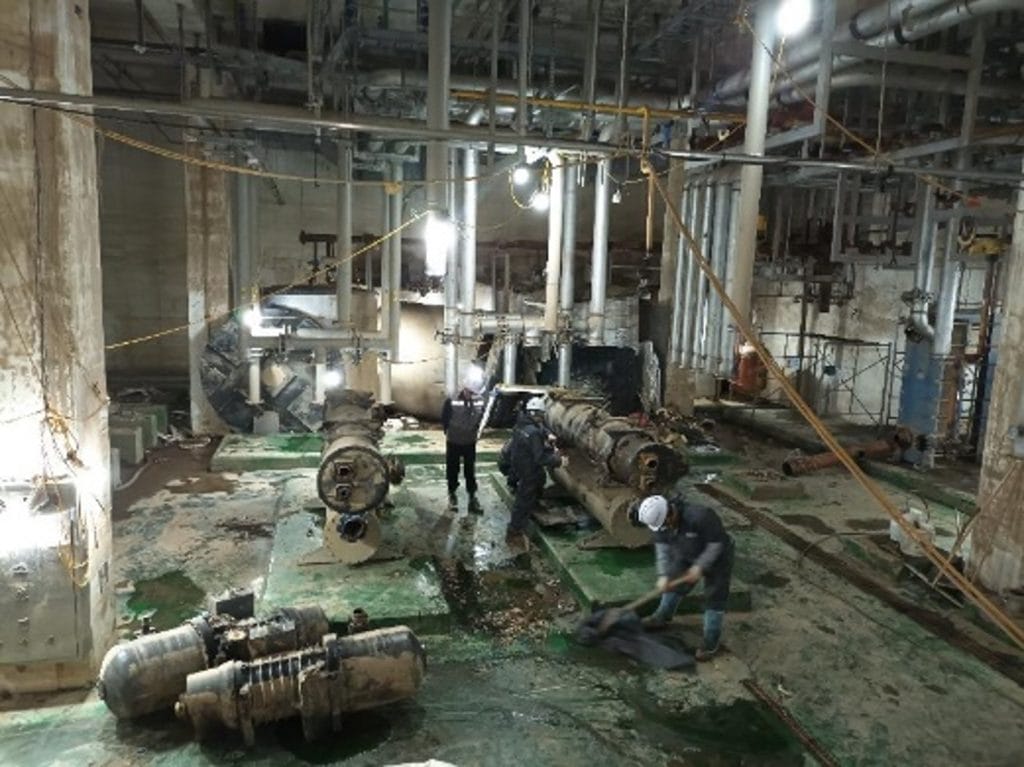
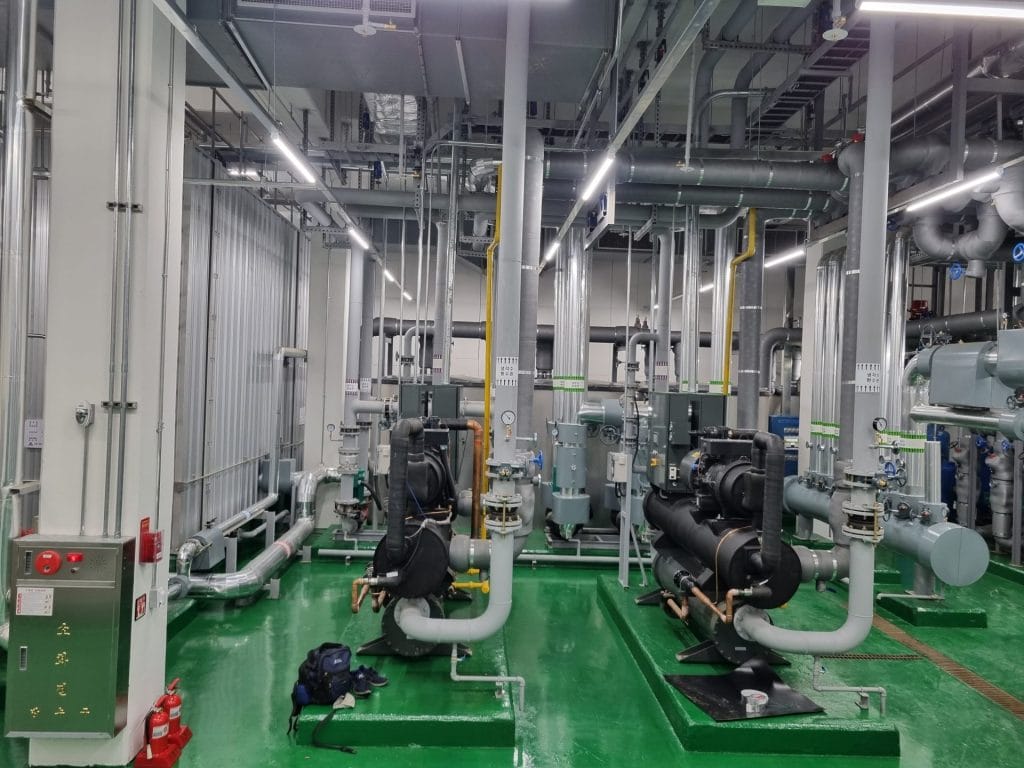
An entire building was flooded following severe rainfall.
Floodwater, sediment, and various contaminants entered the building, including the basement, causing extensive damage to electrical systems, mechanical equipment, and other critical infrastructure.
The power supply was disrupted, while heating, hot water, water supply, and drainage systems all stopped functioning.
The facility may have stopped—but the customer’s business could not.
The customer needed to restore a safe and functional working environment for employees as quickly as possible. BELFOR therefore proposed a phased water damage restoration plan that prioritized the building’s most critical functions.
Heating and hot water systems were restored first so employees could return to work while the remaining restoration continued. Work zones and employee access routes were also separated to minimize disruption from construction activities, including noise and movement of personnel and equipment.
Restoring a flood-damaged building involves multiple interconnected processes, including demolition, mechanical and electrical restoration, and building finishes. Effective sequencing and coordination are therefore essential.
BELFOR managed the entire restoration process as one integrated project, minimizing interference between workstreams and completing the restoration within the agreed schedule. Preventive measures were also implemented to reduce the risk of similar damage occurring again and to improve the facility’s long-term operational stability.
What BELFOR Did
- Prioritized critical functions such as heating and hot water to restore the working environment sooner
- Separated restoration work zones from employee access routes to minimize disruption
- Integrated and coordinated multiple restoration workstreams to meet the agreed schedule
CASE 3 | Can Fire-Damaged Precision Equipment Be Restored?
A fire occurred in the research laboratory of an industrial facility in Jeollanam-do, Korea.
More than 20 types of precision testing equipment, including battery charge/discharge testers, were exposed to high temperatures, soot, and fire-related contaminants. The exterior surfaces of the equipment were heavily contaminated and visibly damaged. Based on their appearance, laboratory personnel initially believed that restoration would be difficult. The equipment manufacturer also considered disposal more likely than restoration.
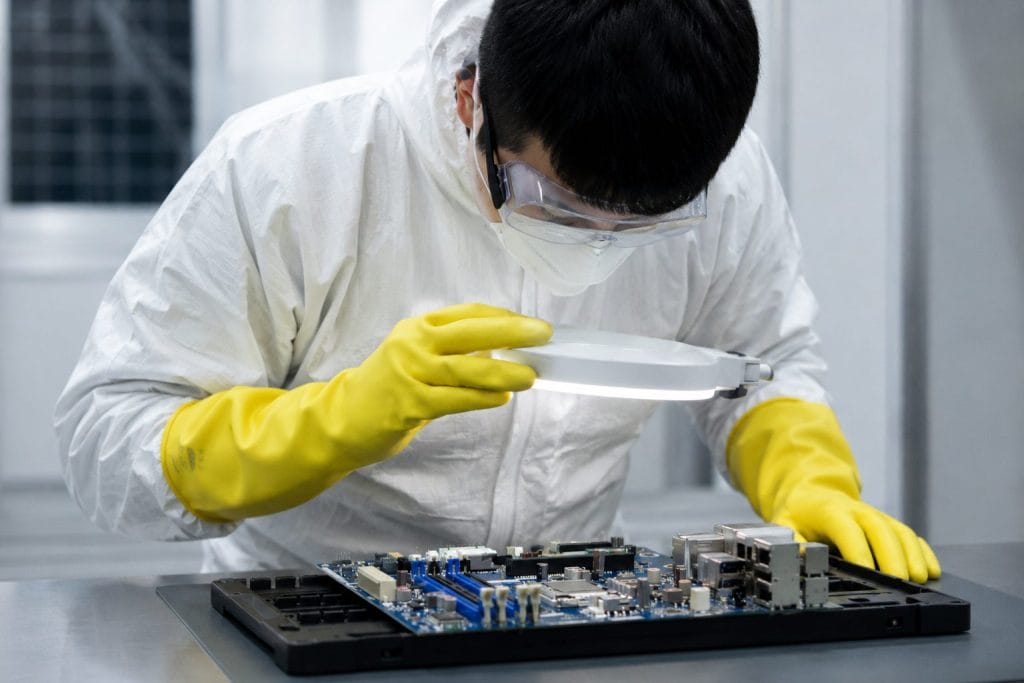
BELFOR specialists began with a detailed assessment of the contamination inside the equipment and the extent of the damage. After inspecting key components for thermal deformation and evaluating contamination of electrical and electronic parts, BELFOR determined that the critical components had not suffered significant structural damage. The team concluded that restoration could be achieved through specialized precision cleaning.
BELFOR first conducted a trial restoration on selected equipment to verify the proposed restoration method. Following the cleaning process, the restored equipment passed functional testing by the original equipment manufacturer and operated normally.
Based on the successful trial, the customer proceeded with restoration of the remaining equipment.
BELFOR analyzed the contamination type and material characteristics of each piece of equipment and selected appropriate cleaning chemicals and customized precision cleaning processes. Equipment was disassembled, cleaned at component level, reassembled, and inspected before undergoing functional testing by the equipment manufacturer.
Using this process, BELFOR successfully restored more than 20 types of precision testing equipment, including battery charge/discharge testers, within approximately 40 days.
What BELFOR Did
- Conducted a detailed assessment of critical components and contamination levels
- Verified restoration feasibility through a trial restoration
- Successfully restored more than 20 types of precision testing equipment
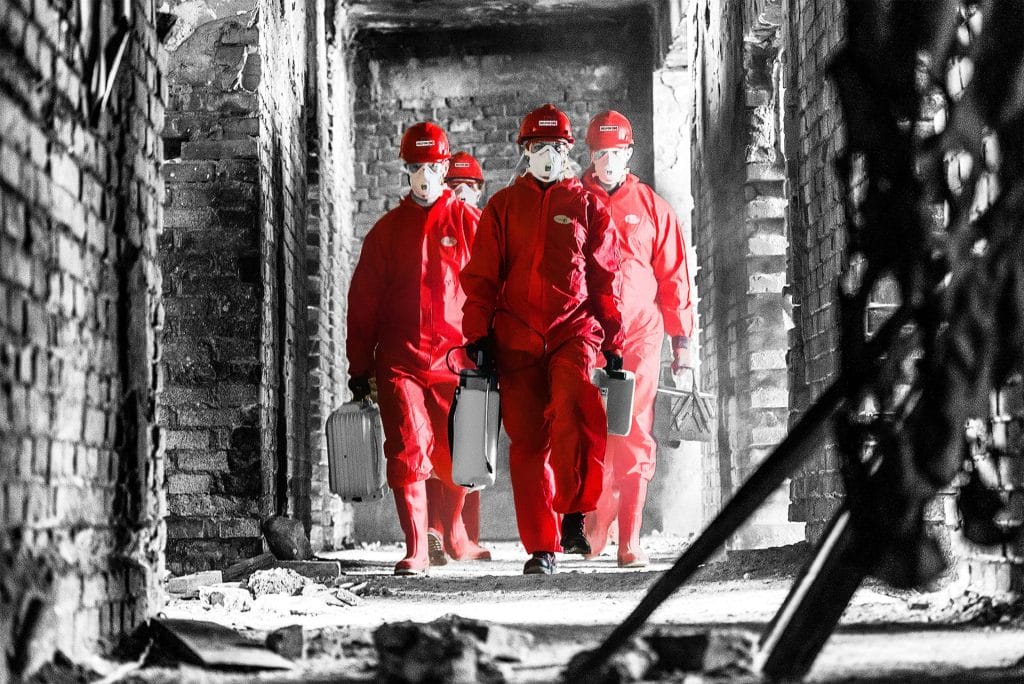
Whether the site is large, the restoration process is complex, or the technical challenges are significant, BELFOR has the expertise to respond.
Our goal is to minimize damage, reduce business interruption, and help customers return to normal operations as quickly as possible.
The more a restoration project demands scale, technical expertise, and operational capability, the more BELFOR’s experience makes the difference.
“Why BELFOR?” We answer with results.
Experience. Expertise. Technology. Results.
That is BELFOR.