Building trust before disaster strikes
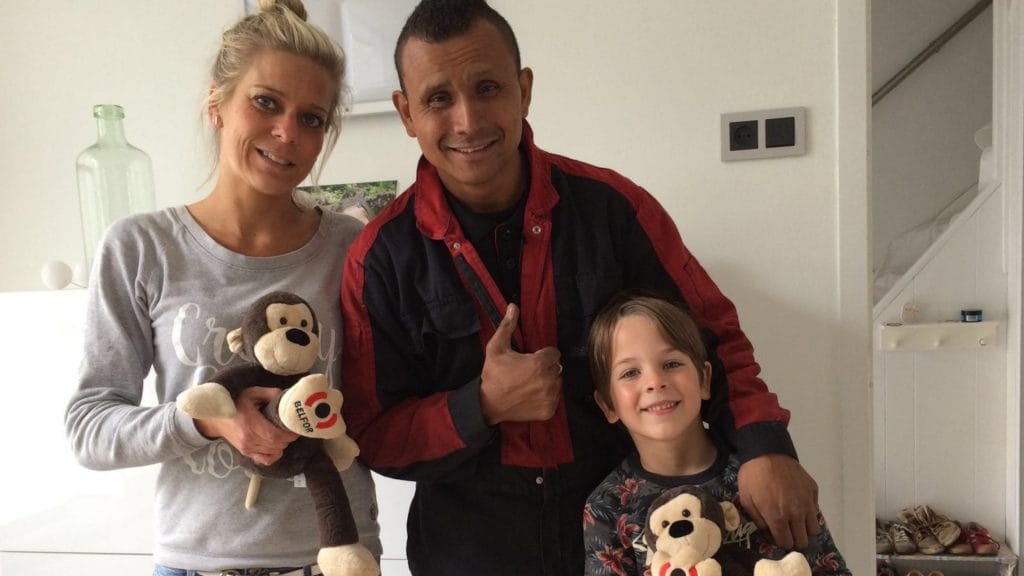
Hein Hemke, Managing Director at BELFOR UK, explores how community engagement strengthens disaster preparedness.
Disaster resilience isn’t built in the aftermath. It’s formed in the quiet moments before. The conversations, the planning, the relationships. Those connections make the difference between a community that copes and one that truly recovers.
Preparedness must be a shared responsibility. From local authorities and insurers to businesses and residents, everyone has a role to play. That purpose begins long before the floodwaters rise or the fire breaks out.
Community engagement is more than a gesture; it’s a strategic imperative. It involves listening to local concerns, understanding vulnerabilities, and creating plans together that reflect real-world conditions. Showing up with empathy and expertise helps people recover faster and more fully.
At BELFOR UK, we work closely with local authorities and public bodies to support disaster recovery and preparedness planning. For our corporate clients, our RED ALERT® priority response programme offers added assurance. This ensures rapid mobilisation, dedicated resources, and clear protocols when every minute counts. These aren’t just services, but partnerships built on trust and shared purpose.
We’re proud to be relied upon by major insurers, loss adjusters, and household brands. Yet our greatest privilege remains the trust placed in us by the communities we serve. That assurance is earned through clear communication, cultural awareness, and a deep respect for the human impact of every loss.
As climate events grow more frequent and severe, the need for joined-up, community-led preparedness has never been greater. Technical excellence is essential, but it must be matched by emotional intelligence, local insight, and a genuine commitment to the people behind every recovery.
It’s important to emphasise that preparedness isn’t just about protocols. It’s about relationships. Strong connections lead to faster, fairer, and more complete recovery.
That’s why we continue to invest in conversations that matter. Whether it’s helping a small business plan for continuity, supporting a council’s emergency response, or simply being there when someone needs reassurance in the middle of a crisis, we respond. These moments may not make headlines, but they shape outcomes.


